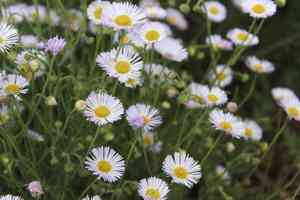
Chaparral fleabane (Erigeron oreophilus)
Also known as: Mountain Fleabane, Oreophilus Fleabane
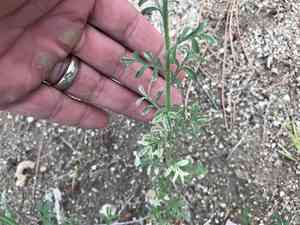
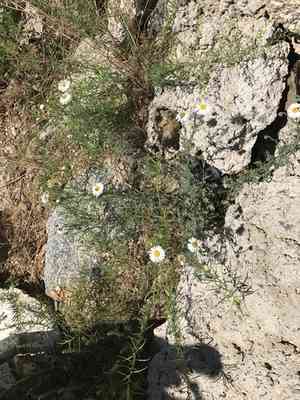
Erigeron oreophilus is a perennial herb that can reach heights of up to 90 cm and features a substantial taproot. Its leaves are deeply divided with narrow segments. This plant typically produces numerous flower heads per stem, each containing 75 to 130 white ray florets encircling yellow disc florets. It is commonly found in rocky, open areas within grasslands and conifer woodlands.
In This Article
Attributes of Chaparral fleabane
Lifespan
Perennial
Plant Type
Herb
Plant Height
15-45 cm
Spread
15-30 cm
Leaf Color
Green
Flower Size
2-4 cm
Flower Color
White, Pink, Purple
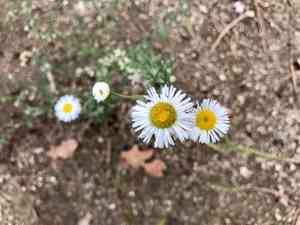
Images of Chaparral fleabane
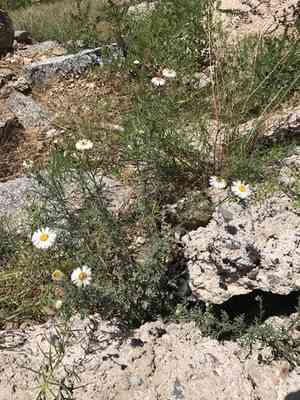
Quickly Identify Chaparral fleabane
1
To identify Erigeron oreophilus, look for its daisy-like flowers with numerous narrow petals ranging from white to pink or purple, and a yellow central disc. The plant has a basal rosette of leaves and flowering stems that can reach up to 45 cm in height.
Scientific Classification of Chaparral fleabane
Phylum
Vascular plants
Class
Dicotyledons
Order
Asterales
Family
Daisy
Genus
Fleabanes
Species
Chaparral fleabane
Planting and Growing of Chaparral fleabane
Care Difficulty
Easy
Watering Schedule
Every 2 days
Sunlight Requirements
Full sun
Sunshine Duration
6-10 hours
Ideal Temperature
60-75℉
Soil Type
Potting Mix, Peat Mix
Soil pH
6.5-7.5
Fertilizer Type
Balanced
Pruning Season
Spring, Summer
Pruning Area
Branches, Leaves
Pruning Frequency
2 times a year
Repotting Season
Spring
Pot Type
Plastic, Terracotta
 How to Water Chaparral fleabane?
When watering Erigeron oreophilus, aim to moisten the soil thoroughly until you see water escaping from the drainage holes of the pot. This usually requires about 250 ml, ensuring the soil is damp but not excessively soggy. It's crucial to allow the top inch of soil to dry out before the next watering to prevent root rot and other issues related to overwatering.
What are the symptoms of an underwatered Chaparral fleabane?
›
What should I do if my Chaparral fleabane is not getting enough water?
›
What are the symptoms of an overwatered Chaparral fleabane?
›
How to save an overwatered Chaparral fleabane?
›
 What Are the Sunlight Requirements for Chaparral fleabane?
Partial to full day's worth of sunlight benefits the plant by encouraging photosynthesis and nutrient uptake. This balance fosters strong, healthy leaves and abundant flowering, ensuring the plant remains vigorous and visually appealing.
What is the ideal location for Erigeron oreophilus?
›
How can we ensure the plant gets enough sunlight?
›
What are the benefits of optimal sunlight for Erigeron oreophilus?
›
 What Is the Ideal Temperature Range for Chaparral fleabane?
For optimal growth, Erigeron oreophilus should be cultivated in temperatures ranging between 60°F and 75°F. This range promotes healthy photosynthesis and development, ensuring vibrant flowering and robust plant health.
 What Soil is Best for Chaparral fleabane?
Erigeron oreophilus thrives in well-drained soil, allowing excess water to escape easily. This drainage is essential to prevent root rot, ensuring that the plant maintains a robust growth cycle and vibrant blooms. A nutrient-rich substrate supports the growth of Erigeron oreophilus by providing the essential macro and micronutrients. Adequate nutrients contribute to more vigorous flowering and healthier foliage. Incorporating moderate organic matter enhances soil structure and aeration. This aspect helps Erigeron oreophilus to develop strong roots while improving moisture retention without waterlogging.
 How to Fertilize Chaparral fleabane?
For Erigeron oreophilus, ensure you use a balanced fertilizer with an NPK ratio of 10-10-10. Use about 1 tablespoon per gallon of water for liquid fertilizers, and refer to package instructions for slow-release options.
 How to Prune Chaparral fleabane?
Begin by using sharp, clean pruning shears to trim back any dead or damaged stems. Focus on maintaining the plant's natural shape while allowing for new growth to emerge from the base. It's important to keep the plant bushy and compact, as this encourages healthier blooms. Make precise cuts just above a leaf node, and be sure to remove any spent flowers to promote a second wave of flowering.
More About Pruning Techniques→
 How to Propagate Chaparral fleabane plant?
1
Sow the Erigeron oreophilus seeds in seed trays filled with a light, well-draining potting mix. Keep the soil moist but not waterlogged to aid germination, which typically occurs within two weeks.
2
Take 4-6 inch cuttings from healthy stems during early summer. Remove the lower leaves and dip the cut end in rooting hormone before planting in a pot with a well-draining mix.
3
Divide established clumps in the early spring as new growth appears. Ensure each divided section has roots attached and replant promptly to avoid desiccation.
 How to Repot Chaparral fleabane plant?
1
Repot your Erigeron oreophilus when you notice it becoming root-bound, which means roots are emerging from the pot's drainage holes or circling the topsoil. This usually occurs every couple of years but might vary based on conditions. Another signal is when the growth rate slows down despite adequate care.
2
Choose a pot that is slightly larger than the current one, ensuring it has adequate drainage holes. A pot that is too large can lead to water retention, increasing the risk of root rot. The ideal pot promotes healthy root expansion while preventing overwatering, catering to a well-balanced plant environment.
3
Select a well-draining potting mix preferably enriched with organic matter. This soil type allows excess water to escape, preventing waterlogging, which Erigeron oreophilus is particularly sensitive to. A mix of peat, perlite, and sand can work wonders, offering both nutrients and good drainage.
Learn More About Chaparral fleabane Diseases
Anthracnose
Bacterial Leaf Spot
Bacterial Soft Rot
Bacterial Wilt
Black Spot
Chemical Injury
Crown Gall
Cyst Nematode
Damping-off
Downy Mildew
Drought Stress
Fusarium Wilt
Gray Mold
Leaf Spot
Mosaic
Nutrient Deficiency
Nutrient Toxicity
Powdery Mildew
Root Rot
Root-knot Nematode
Rusts
Sooty Mold
Spider Mites
Temperature Stress
Thrips Damage
White Mold



