How to Propagate Chaparral fleabane?
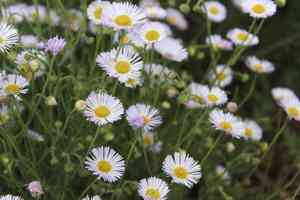
Erigeron foliosus, a perennial herbaceous plant, is recognized for its daisy-like blossoms and capacity to thrive in diverse settings. To achieve successful propagation, sow seeds in soil that drains efficiently, maintaining steady dampness until sprouting occurs. When relocating, choose vigorous young plants and position them with sufficient distance to encourage strong development. Consistent hydration and safeguarding against harsh elements are vital for proper establishment.
Optimal Time for Chaparral Fleabane Propagation
Method of Propagation
Seeding
Propagation Period
Spring
Essential Tools for Chaparral Fleabane Propagation
Seed Tray
Seed trays are vital for starting seeds, offering a controlled setting for young plants, ensuring consistent development and sufficient room.
Seed Starting Mix
A well-draining seed starting mix is key for providing the right balance of moisture and air. This blend typically includes peat, perlite, and vermiculite, aiding germination.
Spray Bottle
A spray bottle is used to keep the seed starting mix damp without overwatering, which is crucial to prevent seedling damping-offâa common issue in seed propagation.
Humidity Dome
A humidity dome helps maintain high moisture levels, which is beneficial for seed germination and early seedling growth by reducing water loss.
Heat Mat
A heat mat provides consistent bottom warmth, which can accelerate the germination process by maintaining the ideal soil temperature for chaparral fleabane seeds.
Label Markers
Label markers ensure that you can identify and track the different stages of chaparral fleabane seedlings, which is especially useful when propagating multiple species.
How to Propagate Chaparral Fleabane?
Propagation Type
Simple
Caring for Your Newly Propagated Chaparral Fleabane
Caring for Your Newly Propagated Chaparral Fleabane?
After germination, chaparral fleabane seedlings should be gradually introduced to outdoor conditions by hardening them off over a week. Transplant them into the garden or larger containers with well-draining soil. Water moderately, ensuring the soil stays slightly moist but not waterlogged. Protect young plants from harsh weather and check for pests. As chaparral fleabane matures, it will thrive in full sun to partial shade, with moderate watering needs.
Common Propagation Errors to Avoid with Chaparral Fleabane
Overwatering
Excessive moisture can lead to root rot and fungal infections, which are harmful to chaparral fleabane's growth. It is essential to allow the soil to dry out between waterings.
Poor Soil Drainage
Using heavy or clayey soil prevents proper drainage, leading to waterlogged roots that can suffocate chaparral fleabane and cause stress. Proper soil structure is vital for healthy growth.
Improper Light Conditions
Insufficient light hinders photosynthesis, while excessive direct sunlight can scorch chaparral fleabane's foliage. Both scenarios stress the plant and impede successful propagation.
Overcrowding
Planting too many chaparral fleabanes in close proximity can lead to competition for nutrients, light, and space, resulting in weak and spindly growth.
Tips For Propagating Chaparral Fleabane
Use Well-Draining Soil
Prepare a soil mix that has excellent drainage properties, such as sandy or loamy soil, to allow excess water to escape and roots to breathe.
Water Moderately
Ensure that the soil remains moist but not soggy. Water chaparral fleabane only when the top inches of the soil have dried out to mitigate the risk of root rot.
Provide Adequate Light
Place chaparral fleabane in a location where it receives plenty of indirect sunlight. A balance of light ensures robust growth and prevents foliage damage.
Space Wisely
Provide enough space between each chaparral fleabane to avoid overcrowding. Proper spacing allows for better air circulation and access to nutrients.



