How to Prune Greenfly orchid?
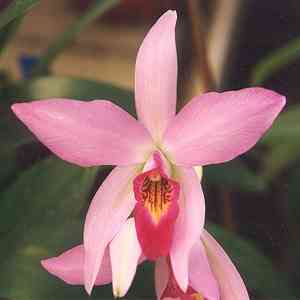
A tropical air plant featuring vibrant blossoms, the greenfly orchid flourishes with limited trimming. Eliminate spent or injured flowers and leaves to preserve its well-being and visual appeal. Trimming after flowering, from spring to autumn, stimulates fresh development and bloom generation. Essential precautions involve sanitizing cutting implements to avert pathogen dissemination. Pruning aids the greenfly orchid by enhancing air movement and discouraging insect problems, guaranteeing the enduring health and brilliance of this orchid.
What Are the Benefits of Pruning Greenfly Orchid?
What Are the Benefits of Pruning Greenfly Orchid?
Trimming greenfly orchid promotes robust development by eliminating spent flowers and dead foliage, stimulating new, healthy shoots. It also maintains the desired form, ensuring greenfly orchid remains visually appealing and well-managed within its growing area.
What Is the Best Time for Pruning Greenfly Orchid?
What Is the Best Time for Pruning Greenfly Orchid?
Pruning during late spring to early summer is optimal for greenfly orchid as this period allows for the removal of any dead or damaged pseudobulbs after the plant's main spring bloom cycle. This timing aligns with the plant's vegetative growth phase when greenfly orchid is actively producing new shoots and leaves, which can help foster a healthier plant structure and encourage more vigorous growth. In this season, the plant also recovers more quickly from pruning and can seal cuts before the potential stress of hotter summer or colder fall conditions. Pruning in fall is not advised as it can lead to stunted growth or damage from cold temperatures in the approaching winter.
What Tools Do I Need to Prune Greenfly Orchid?
Sharp, clean scissors or snips
These are perfect for deadheading or trimming small or delicate parts of greenfly orchid. The sharp blades ensure precise cuts that heal quickly, preventing harm to the plant.
Rubbing alcohol or a bleach solution
Before and after pruning greenfly orchid, tools should be disinfected with rubbing alcohol or a bleach solution to prevent the spread of disease and pests among plants or plant parts.
Tweezers or small forceps
For pruning tiny, hard-to-reach parts of greenfly orchid or removing dead material from the plant's base without harming healthy tissue.
Soft gloves
Offers protection to both the gardenerâs hands and the delicate tissue of greenfly orchid during the pruning process.
How to Prune Greenfly Orchid
Cleaning Tools
Before beginning, sterilize pruning tools to prevent the spread of disease to greenfly orchid. Use alcohol wipes or a bleach solution to thoroughly clean blades.
Identify
Examine greenfly orchid for diseased and withered leaves, as well as dead and diseased branches. Look for signs of discoloration, spots, or other indications of health issues.
Prune Leaves
Using clean, sharp scissors or pruning shears, gently trim off diseased and withered leaves at their base. Avoid pulling leaves, as it can cause damage to the healthy tissue of greenfly orchid.
Prune Branches
Cut dead and diseased branches close to the main stem, ensuring not to harm the healthy parts of greenfly orchid. Make cuts just above a node or junction where a healthy leaf or branch is emerging.
Disposal
Remove all pruned material from the vicinity of greenfly orchid and dispose of it properly to prevent any potential spread of disease or pests.
Common Pruning Mistakes with Greenfly Orchid
Over Pruning
Removing too much growth, potentially weakening greenfly orchid and reducing its ability to flower.
Cutting Healthy Growth
Trimming new, healthy shoots that are crucial for the next flowering cycle, thereby inhibiting bloom potential.
Using Dirty Tools
Pruning with unclean tools can introduce pathogens to greenfly orchid, leading to diseases or infections.
Incorrect Cut Placement
Making cuts too far from a node, which can lead to unnecessary stress and potential dieback.
Pruning Without Disinfection
Failing to disinfect the plant after pruning can leave greenfly orchid vulnerable to infections at the cuts.
Neglecting Damaged Limbs
Overlooking damaged or diseased growth during pruning can lead to the spread of disease throughout greenfly orchid.
Improper Technique
Using an incorrect technique, such as tearing rather than cutting, can create jagged edges that heal poorly and expose greenfly orchid to diseases.
Common Pruning Tips for Greenfly Orchid
Disinfect Tools
Always use clean, sharp tools to make precise cuts and minimize the risk of infection in greenfly orchid.
Prune For Airflow
Trim the plant to promote good airflow, which can reduce the incidence of fungal diseases and help greenfly orchid thrive.
Cut At Nodes
Make pruning cuts just above nodes to encourage healthier new growth and minimize damage to greenfly orchid.
Remove Damaged Limbs
Regularly remove dead or diseased growth to maintain the health and appearance of greenfly orchid.
Use Correct Angle
Cut at an angle that directs water away from the node, preventing potential rotting in greenfly orchid.
Target Leggy Growth
Prune leggy or sparse growth to encourage denser foliage and balance the overall shape of greenfly orchid.
Gentle Pruning Approach
Adopt a less-is-more approach when pruning, ensuring to not remove too much of greenfly orchid's growth at once, which can stress the plant.
Post Prune Care
After pruning, provide greenfly orchid with appropriate post-prune care, such as proper watering and fertilizing to support recovery and growth.



