How to Propagate Greenfly orchid?
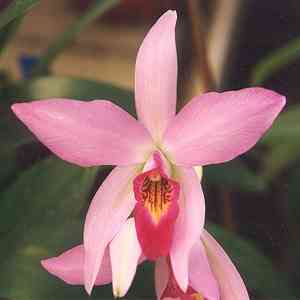
The Greenfly orchid, a species within the Orchidaceae family, flourishes when multiplied via division, which is among the most effective techniques for this particular plant. Gently detach the pseudobulbs along with their root systems, making certain that every separated section possesses an active growth point. Following separation, transfer them into a porous, free-draining orchid substrate. Sustaining elevated humidity levels and diffused illumination will encourage the emergence of fresh sprouts, leading to successful multiplication.
Optimal Period for Greenfly Orchid Propagation
Propagation Method
Division
Propagation Period
Spring,Autumn
Tools Required for Greenfly Orchid Propagation
Sharp, sterile knife or pruning shears
These instruments are crucial for making clean cuts on rhizomes or pseudobulbs during the division of greenfly orchid. A sharp, sterile cutting tool ensures precise incisions without harming plant tissues, minimizing infection risk and promoting quicker healing and regrowth.
Rubbing alcohol or bleach solution
Utilized to sanitize cutting implements before and after use. This prevents disease transmission between plants and is vital for maintaining the health and viability of greenfly orchid throughout the propagation process.
Potting mix suitable for orchids
Orchids necessitate a specific type of growing medium that offers excellent drainage and air circulation. A blend typically composed of bark, perlite, and moss is appropriate for greenfly orchid, ensuring the newly divided plants have the necessary conditions for root development and growth.
Small pots or containers
Following division, each section of greenfly orchid will require individual potting. Small pots or containers allow for better control over moisture and nutrients, which are critical for the initial stages of establishment after propagation.
Watering can with a fine nozzle
Ensures gentle irrigation that does not disturb the newly planted divisions of greenfly orchid. Proper hydration is essential for their recovery and growth but should be managed to prevent overwatering, which is detrimental to orchid health.
Labels and a permanent marker
Labeling each new division with the propagation date and any other relevant details (such as clone numbers or specific conditions) aids in monitoring growth and organizing the cultivation area. This practice contributes to effective management and care of greenfly orchid during its establishment phase.
How to Propagate Greenfly Orchid?
Propagation Type
Easy
Post-Propagation Care for Your Greenfly Orchid
Post-Propagation Care for Your Greenfly Orchid
After propagation, place greenfly orchid in a spot offering bright, indirect light and good air circulation. Water consistently, but allow the medium to dry slightly between waterings. Fertilize with a balanced, water-soluble orchid fertilizer every four weeks at a quarter of the recommended strength. Monitor for pests and diseases, especially when new growth emerges. Maintaining these conditions will help ensure healthy development and eventual blooming of the new greenfly orchid plants.
Common Errors to Avoid When Propagating Greenfly Orchid
Excessive watering during propagation
This can lead to root rot and fungal infections, which are harmful to young plants.
Inadequate sterilization of tools
If propagation tools are not properly sterilized, they can introduce pathogens, harming or killing the propagated divisions.
Ignoring humidity requirements
Greenfly orchid needs high humidity; failing to provide sufficient humidity can cause desiccation of plantlets.
Using an unsuitable substrate mix
An incorrect substrate can hinder root growth and water drainage, leading to an unhealthy root environment.
Propagating from weak specimens
Using a diseased or weak greenfly orchid as a source for propagation can result in poor growth and reduced chances of success.
Advice for Propagating Greenfly Orchid
Maintain appropriate moisture levels
Ensuring the substrate is moist but not waterlogged will support healthy root development without the risk of rot.
Use sterilized tools for cutting
Sterilizing cutting tools prevents the spread of disease and encourages successful establishment of new plants.
Mimic natural high-humidity conditions
Providing a humidity tray or enclosure will help maintain the high humidity essential for greenfly orchid propagation.
Select an airy, well-draining mix
Using a substrate that allows for good air flow and drainage, such as a mix of bark and moss, supports healthy root systems.
Choose healthy parent plants
Selecting robust and disease-free parent plants ensures strong genetic material for propagation and a greater likelihood of vigorous offspring.



