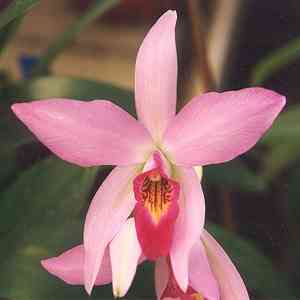
Greenfly orchid (Epidendrum magnoliae)
Also known as: Green-fly orchid, Magnolia orchid
The greenfly orchid (Epidendrum magnoliae) is an orchid species native to the southeastern United States and northeastern Mexico. It typically thrives on live oak trees, although it can also grow on other types of deciduous and coniferous trees. Often concealed among ferns, it can be challenging to find. The orchid's flowers emit a strong fragrance at night, attracting nocturnal moths for pollination.
In This Article
Attributes of Greenfly orchid
Lifespan
Perennial
Plant Type
Herb
Plant Height
30 cm
Spread
Not applicable, as it is an epiphytic orchid
Leaf Color
Green
Flower Size
2.5 cm
Flower Color
Yellow Green White Bronze
Images of Greenfly orchid
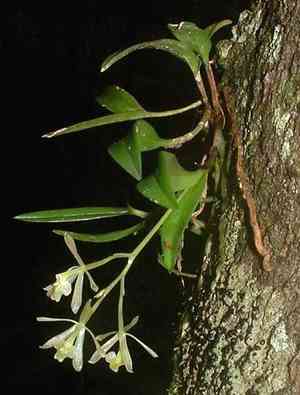
Quickly Identify Greenfly orchid
1
Recognize this orchid by its small size, leathery leaves, and clusters of greenish-yellow flowers. The flowers are fragrant and have a distinctive spur on the back of the lip.
Scientific Classification of Greenfly orchid
Phylum
Vascular plants
Class
Monocotyledons
Order
Asparagales
Family
Orchid
Genus
Orchid
Species
Greenfly orchid
Planting and Growing of Greenfly orchid
Care Difficulty
Easy
Watering Schedule
Every 2 days
Sunlight Requirements
Partial sun
Sunshine Duration
6-10 hours
Ideal Temperature
60-80℉
Soil Type
Potting Mix, Peat Mix
Soil pH
6.5-7.5
Fertilizer Type
Balanced
Pruning Season
Spring, Summer
Pruning Area
Branches, Leaves
Pruning Frequency
2 times a year
Repotting Season
Spring
Pot Type
Plastic, Ceramic
 How to Water Greenfly orchid?
For Epidendrum magnoliae, it's important to keep the medium slightly moist but not waterlogged. Aim for about 100 milliliters each time you water. Ensure that the water reaches the roots but does not pool at the bottom of the pot.
What are the symptoms of an underwatered Greenfly orchid?
›
What should I do if my Greenfly orchid is not getting enough water?
›
What are the symptoms of an overwatered Greenfly orchid?
›
How to save an overwatered Greenfly orchid?
›
 What Are the Sunlight Requirements for Greenfly orchid?
Epidendrum magnoliae prospers in partial sunlight conditions, benefitting from 4-6 hours of filtered light daily. Ideal lighting promotes strong growth, vibrant blooms, and aids in maintaining its natural beauty.
More About Sunlight Requirements Techniques→
Question: Where to place Epidendrum magnoliae for ideal lighting?
›
Question: How to ensure consistent lighting throughout the year?
›
Question: Can artificial lighting supplement natural light?
›
 What Is the Ideal Temperature Range for Greenfly orchid?
Epidendrum magnoliae thrives best in temperatures ranging from 60°F to 80°F. This range allows for optimal growth as it closely mimics the plant’s native environment. Maintaining consistent temperatures within this range supports healthy photosynthesis and nutrient uptake, ultimately contributing to vibrant foliage and flower production.
 What Soil is Best for Greenfly orchid?
Epidendrum magnoliae prefers soil that retains moisture without becoming waterlogged. Loamy soil, with its balance of sand, silt, and clay, is ideal for maintaining the necessary moisture levels, benefiting the plant by preventing dehydration while avoiding root rot. The plant thrives in nutrient-rich soils that can support its growth and flowering. Loamy soil, typically rich in organic matter, provides the essential nutrients needed for vigorous growth, resulting in healthy foliage and prolific blooming. While Epidendrum magnoliae requires moisture, good drainage is essential to prevent water stagnation. Loamy soil ensures efficient drainage, protecting the roots from rot and keeping the plant's root system healthy.
 How to Fertilize Greenfly orchid?
Epidendrum magnoliae, being an orchid, requires a light hand when it comes to fertilization. Use a balanced orchid fertilizer at a quarter-strength every two weeks to avoid root burn. Less is often more with this delicate species.
 How to Prune Greenfly orchid?
Start by examining the plant and identifying any dead, diseased, or damaged stems and leaves. These should be the primary targets for removal as they can drain energy from healthy parts of the plant. When cutting, angle your shears slightly above the nearest node or bud. This encourages new growth in the desired direction and minimizes the risk of water collecting at the cut site, which can cause rot. Pruning should also focus on improving air circulation within the plant's structure. Removing overcrowded shoots prevents mold and fungal issues, leading to a healthier plant that can flourish in its environment.
More About Pruning Techniques→
 How to Propagate Greenfly orchid plant?
1
For seed propagation, sow the seeds on the surface of a fine, sterile medium. Maintain a humid environment, but avoid waterlogging, to encourage germination over several weeks.
2
Divide the rhizomes during the late spring or early summer by carefully separating sections with active root growth. Each section should have at least one viable pseudobulb to ensure successful re-establishment.
3
Plant divisions in a well-draining orchid medium, ensuring the rhizomes are just below the surface. Provide indirect light and maintain moderate humidity to encourage root development.
 How to Repot Greenfly orchid plant?
1
Epidendrum magnoliae signals its need for repotting when you see roots growing out of the pot or a decline in bloom production. Avoid disturbing it during its flowering season; instead, wait until new growth appears for optimal results.
2
Choose a pot that offers good drainage, preferably with several holes at the bottom. The pot should be slightly larger than the current one to accommodate growth but not too roomy; this prevents the roots from becoming waterlogged, aiding in healthier growth.
3
Select a well-draining orchid mix which often consists of chunks of bark, perlite, and charcoal. This blend mimics the plant's natural environment, allowing for proper air circulation and water retention, vital for its root health.



