How to Prune Peltate tonguefern?
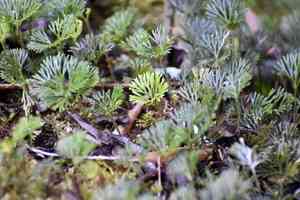
Recognized for its distinctive shield-like foliage, peltate tonguefern flourishes with moderate trimming. Eliminate withered or compromised fronds in the initial part of spring or the latter part of winter to stimulate robust development. Detach any aged or discolored leaves near the plant's foundation, being cautious not to harm the rhizomes. Consistent trimming enhances air movement and diminishes the likelihood of fungal infections, guaranteeing lush greenery. Optimal trimming periods coincide with inactive phases, thereby supporting the plant's inherent developmental rhythm.
Advantages of Trimming Peltate Tonguefern
Advantages of Trimming Peltate Tonguefern
Peltate tonguefern pruning encourages robust development, maintains its form, and improves its overall look. Additionally, it aids in size management, deters pests and illnesses, and boosts the plant's general well-being.
Optimal Period for Pruning Peltate Tonguefern
Optimal Period for Pruning Peltate Tonguefern
Trimming peltate tonguefern from late winter to early spring is ideal as it aligns with the plant's dormant or low-activity phase. Pruning during dormancy minimizes stress and potential harm to the plant while stimulating vigorous new growth as the active season commences. Furthermore, pruning before new growth emerges ensures the plant directs its energy towards healthy development and lessens the risk of pest and disease infestations.
Necessary Tools for Pruning Peltate Tonguefern
Hand pruners
Hand pruners are perfect for peltate tonguefern, enabling accurate cuts and being excellent for removing dead or damaged fronds, ensuring the plant's healthy development.
Pruning shears
Pruning shears are suitable for slightly thicker stems on peltate tonguefern and help maintain the plant's overall shape and size.
Sterilized scissors
Sterilized scissors are crucial for making clean cuts on delicate parts of peltate tonguefern to prevent disease transmission and ensure minimal damage to plant tissues.
Pruning knife
A pruning knife can be utilized for more detailed tasks when working with peltate tonguefern, allowing for precise shaping and careful removal of unwanted growth.
How to Prune Peltate Tonguefern
Inspect
Thoroughly examine peltate tonguefern for any indications of diseases or withered foliage. Use this step to pinpoint the specific areas requiring trimming.
Tools
Choose clean, sharp pruning shears to ensure precise cuts and minimize harm to healthy tissues of peltate tonguefern.
Dispose
Carefully snip away the diseased leaves. Make cuts close to the base of each leaf, ensuring all affected parts are removed to prevent disease spread.
Remove
Trim withered leaves by cutting them back to where healthy leaves or stems begin. Ensure cuts do not leave stubs to prevent pest or further disease issues.
Clean
After pruning, sanitize the tools with a disinfectant to prevent any potential disease transmission to other plants.
Common Pruning Errors with Peltate Tonguefern
Over-pruning
Cutting too much of the plant can cause stress and hinder growth, reducing peltate tonguefern's ability to photosynthesize effectively.
Improper cutting technique
Using dull or dirty pruning tools can result in jagged cuts that may invite disease and slow the healing process. Clean, sharp tools are essential.
Cutting at the wrong angle
Cuts that are too flat or too steep can harm the plant. The optimal angle for cuts is typically around 45 degrees to aid healing and prevent water accumulation.
Neglecting to remove dead or diseased fronds
Not removing damaged or dead parts can encourage the spread of diseases and pests, weakening peltate tonguefern.
Cutting healthy fronds unnecessarily
Removing healthy fronds can reduce the plant's ability to photosynthesize, thereby stunting its growth.
General Pruning Advice for Peltate Tonguefern
Use sharp and clean tools
Always use clean, sharp pruning shears or scissors to make precise cuts and avoid infecting the plant.
Make precise cuts
Ensure cuts are made at a 45-degree angle to facilitate optimal healing and prevent water from pooling on the cut surface, which can lead to disease.
Remove dead or damaged fronds first
Prioritize cutting away any dead, damaged, or diseased fronds to promote healthy growth and prevent the spread of issues.
Limit the amount of healthy fronds you cut
Only trim healthy fronds sparingly to ensure that peltate tonguefern retains enough foliage for effective photosynthesis.
Inspect regularly
Regularly check peltate tonguefern for any signs of disease, pests, or damage, and prune as necessary to maintain overall plant health.



