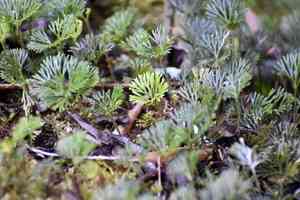
Peltate tonguefern (Elaphoglossum peltatum)
Also known as: None
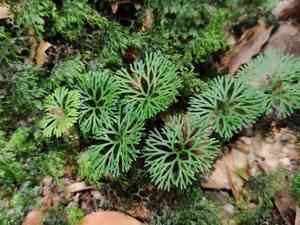
The peltate tonguefern (Elaphoglossum peltatum) is recognized for its wide, dark green, and leathery fronds that often exhibit a unique, shield-like form. This epiphytic fern is commonly found growing on tree trunks and branches, where it effectively absorbs moisture and nutrients from the air and rainfall. Its peltate scales located beneath the fronds are a key feature, aiding in spore protection. Adapted to thrive in humid, shaded forest settings, the peltate tonguefern plays a role in enhancing the biodiversity of the forest's upper canopy layers.
In This Article
Attributes of Peltate tonguefern
Lifespan
Perennial
Plant Type
Fern
Plant Height
0.5 - 1 meter
Spread
0.5 - 1 meter
Leaf Color
Dark green
Flower Size
Not applicable, as ferns do not produce flowers.
Flower Color
Not applicable, as ferns do not produce flowers.
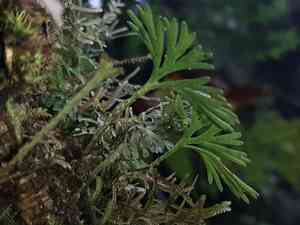
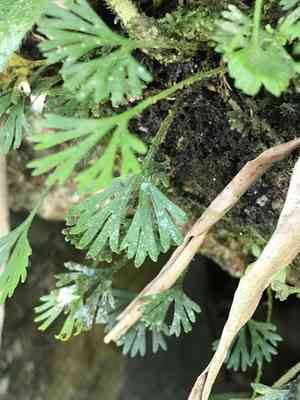
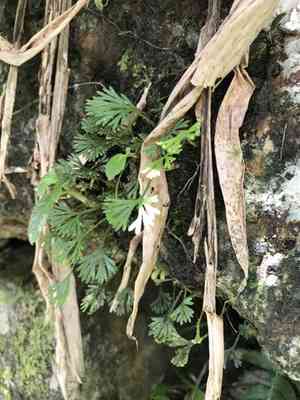
Images of Peltate tonguefern
Quickly Identify Peltate tonguefern
1
To identify Elaphoglossum peltatum, look for its large, shield-shaped fronds with a leathery texture. The fronds are typically dark green and have a glossy appearance.
Scientific Classification of Peltate tonguefern
Phylum
Vascular plants
Class
Ferns
Order
Polypodiales
Family
Wood fern
Genus
Elaphoglossum
Species
Peltate tonguefern
Planting and Growing of Peltate tonguefern
Care Difficulty
Moderate
Watering Schedule
Every 4 days
Sunlight Requirements
Partial sun
Sunshine Duration
4-8 hours
Ideal Temperature
65-75℉
Soil Type
Potting Mix, Peat Mix
Soil pH
6.5-7.5
Fertilizer Type
Balanced
Pruning Season
Spring, Summer
Pruning Area
Branches, Leaves
Pruning Frequency
2 times a year
Repotting Season
Spring
Pot Type
Plastic, Ceramic
 How to Water Peltate tonguefern?
Elaphoglossum peltatum thrives when watered just enough to keep the soil consistently moist but not soggy. The key is to provide water until it starts to drain from the bottom, which usually means around 200ml per session. This mimics the plant's natural habitat and supports healthy growth.
What are the symptoms of an underwatered Peltate tonguefern?
›
What should I do if my Peltate tonguefern is not getting enough water?
›
What are the symptoms of an overwatered Peltate tonguefern?
›
How to save an overwatered Peltate tonguefern?
›
 What Are the Sunlight Requirements for Peltate tonguefern?
Elaphoglossum peltatum thrives in a light range of partial sun to full shade. This range benefits the plant by providing enough light for photosynthesis while protecting its delicate fronds from excessive exposure. Maintaining this light level can significantly improve growth and foliage vibrancy.
What is the ideal amount of sunlight for Elaphoglossum peltatum?
›
How can I achieve the perfect light conditions for my plant?
›
What benefits does the plant experience under ideal lighting?
›
 What Is the Ideal Temperature Range for Peltate tonguefern?
Elaphoglossum peltatum thrives best in temperatures ranging from 65 to 75°F. In this range, the plant's metabolic processes function optimally, including photosynthesis and nutrient uptake. These temperatures mimic the plant's natural habitat conditions, thus promoting robust growth and health.
 What Soil is Best for Peltate tonguefern?
Elaphoglossum peltatum thrives in soil that retains moisture well. This is essential as it prefers a humid environment similar to its native conditions. Keeping the soil consistently moist allows for better nutrient absorption, promoting healthy leaf growth. A nutrient-rich loamy soil aids in providing the necessary vitamins and minerals required for robust growth. The plant requires specific nutrients to maintain its striking foliage, and a fertile soil supports sustained development. Ensuring the soil is well-drained prevents root rot while allowing adequate air circulation around the roots. This is critical for preventing diseases and fostering a healthy root system, leading to overall plant vitality.
 How to Fertilize Peltate tonguefern?
Elaphoglossum peltatum thrives when given balanced feeding. Liquid fertilizer should be applied at half the recommended strength to avoid over-fertilizing, which means using about 10 ml of liquid fertilizer per liter of water. For slow-release fertilizers, about 5 grams per pot should suffice.
 How to Prune Peltate tonguefern?
Begin by inspecting the plant thoroughly under good light. Carefully trim away brown or dead fronds close to the base, being mindful not to cut into the healthy tissue. Prune in small amounts to avoid over-pruning, which can stress the plant.
More About Pruning Techniques→
 How to Propagate Peltate tonguefern plant?
1
Choose a healthy and mature Elaphoglossum peltatum plant for propagation. The plant should be free of any diseases or pests, as these could easily spread to the new plants.
2
Gently remove the plant from its pot and shake off excess soil. Carefully separate the roots using your hands or a sharp tool to divide the plant into sections, ensuring each section has at least one crown and sufficient roots.
3
Clean the plant material under sterile conditions. Place them into culture vessels with the growth medium, ensuring the vessels are sealed properly to maintain sterility.
 How to Repot Peltate tonguefern plant?
1
Repot Elaphoglossum peltatum when you notice roots growing out of the drainage holes or the plant appears root-bound. These are strong indicators that the current pot can no longer support the plant’s growth, prompting a need for repotting during its active growing seasons.
2
Select a pot with drainage holes that is one size larger than the current pot. The new pot should provide enough space for root expansion without overwhelming the plant, aiding in maintaining moisture balance and preventing waterlogging that could lead to root rot.
3
Opt for a well-draining potting mix suitable for ferns, often enriched with organic matter to retain moisture while ensuring proper drainage. This type of soil will keep the plant hydrated without letting water sit at its roots, minimizing rot risk.



