How to Propagate Peltate tonguefern?
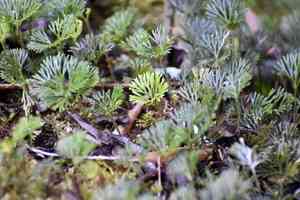
Peltate tonguefern is a distinctive fern recognized by its peltate leaves and flourishes optimally in chilly, dim settings with elevated moisture levels. Cultivators can multiply peltate tonguefern by means of separation. Gently divide the rhizomes, making sure every piece possesses roots and leaves, then embed them in damp, well-aerated, humus-filled substrate, maintaining consistent moisture for the divisions until they are rooted. Frequent spraying aids in preserving the essential humidity for peak development.
What Is the Best Time To Propagate Peltate Tonguefern?
Propagation Type
Division
Propagation Season
Spring,Autumn
What Tools Are Used in Peltate Tonguefern Propagation?
Sharp Knife or Garden Scissors
A keen knife or gardening shears are vital for separating the mature plant into smaller portions. These implements allow for precise cuts without causing extensive harm to the plant tissue, which is crucial for the robust development of new divisions.
Sterilizing Solution (e.g., rubbing alcohol)
Utilizing a sanitizing solution to cleanse the knife or garden scissors before and after cuts aids in preventing the spread of diseases and infections. This is particularly important for peltate tonguefern to guarantee that newly divided sections remain healthy.
Rooting Hormone Powder
While not always required, rooting hormone powder can improve the chances of successful root formation in divided sections of peltate tonguefern. It stimulates root growth, thereby increasing the likelihood of the plants establishing themselves more firmly and quickly.
Potting Soil Mixture (high in organic matter)
A potting soil blend rich in organic material offers the necessary nutrients and drainage conditions suitable for peltate tonguefern. This soil type supports new growth and helps the divided sections settle and grow robustly.
Small Pots or Seedtrays
Small containers or seed trays are utilized to house the divided sections individually. They provide adequate space and soil conditions tailored to each new division, facilitating their independent growth and reducing competition among them.
Misting Bottle
A misting bottle helps maintain appropriate humidity levels around the divided sections of peltate tonguefern, which is crucial for preventing desiccation and encouraging healthy growth during the initial stages after division.
Clear Plastic Bags or Mini Greenhouse
Covering the pots or trays with transparent plastic bags or placing them in a mini greenhouse creates a controlled humid environment that promotes successful establishment of the divisions by reducing moisture loss.
How to Propagate Peltate Tonguefern?
Propagation Type
Easy
How to Care for Your Newly Propagated Peltate Tonguefern?
How to Care for Your Newly Propagated Peltate Tonguefern?
After propagation, ensure peltate tonguefern receives bright, indirect light and maintains a humid environmentâaim for 60-70% humidity. Water regularly, allowing the top inch of soil to dry out slightly between waterings. Fertilize the plant with a diluted, balanced liquid feed every 4-6 weeks during the growing season. Avoid over-fertilization, which can harm the roots. Frequently mist the foliage to maintain humidity and encourage healthy growth. Monitor for pests and address any infestations promptly with suitable interventions.
Common Mistakes to Avoid When Propagating Peltate Tonguefern
Overwatering
Excessive water can lead to root rot, ultimately killing the plant. Peltate tonguefern prefers consistently moist but well-drained soil.
Incorrect Soil Type
Using standard potting soil can hinder drainage and air circulation, negatively impacting root health. Peltate tonguefern thrives in a loose, well-draining medium.
Insufficient Humidity
Peltate tonguefern requires high humidity to mimic its natural habitat. Low humidity can cause leaf desiccation and poor growth.
Inadequate Light
Placing peltate tonguefern in direct sunlight can scorch the leaves, while too little light can impede its growth. It needs indirect, filtered light for optimal development.
Tips For Propagating Peltate Tonguefern
Use Proper Mediums
Peltate tonguefern should be propagated in sphagnum moss or a blend of orchid bark and peat to ensure adequate drainage and aeration.
Maintain High Humidity
Keep the humidity levels elevated by misting regularly or using a humidity tray or a small greenhouse.
Maintain Consistent Moisture
Ensure the soil is consistently moist but not waterlogged. Water when the top inch of soil feels dry.
Provide Indirect Light
Place peltate tonguefern in a spot with bright, indirect light to avoid leaf scorch and promote healthy growth.
Sterilize Tools
Use sterilized tools when taking cuttings to prevent fungal and bacterial infections.



