How to Prune Dillenius' ticktrefoil?
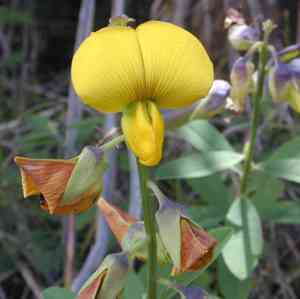
Dillenius' ticktrefoil, recognized for its fine leaves and vivid blossoms, flourishes with consistent trimming. Essential methods involve removing faded flowers to stimulate fresh development and shortening elongated branches to preserve its form. The most suitable times for pruning are late spring and early summer, coinciding with dillenius' ticktrefoil's natural growth phases. Pruning not only improves the plant's aesthetic but also fosters more robust, thicker growth. Always make precise, clean cuts to avoid harm and potential pathogen infiltration.
What Are the Benefits of Pruning Dillenius' Ticktrefoil?
What Are the Benefits of Pruning Dillenius' Ticktrefoil?
Trimming dillenius' ticktrefoil promotes robust development and helps preserve its form, preventing it from encroaching on neighboring plants. Regular cutting back fosters a denser structure, enhancing both the plant's vitality and appearance.
What Is the Best Time for Pruning Dillenius' Ticktrefoil?
What Is the Best Time for Pruning Dillenius' Ticktrefoil?
Pruning dillenius' ticktrefoil in spring and summer aligns with its active growth phase, aiding swift recovery and healthy regeneration. In spring, pruning can stimulate new growth, boosting flowering and overall vigor. During summer, it's beneficial to trim dillenius' ticktrefoil to maintain shape, manage size, and remove any damaged or diseased parts. This timing avoids stressing the plant during dormancy and optimizes blooming in the subsequent season.
What Tools Do I Need to Prune Dillenius' Ticktrefoil?
Hand Pruners
Perfect for cutting back dead or overgrown stems on dillenius' ticktrefoil. Their precision and ease of use enable meticulous shaping and removal of unwanted branches without harming the stems.
Pruning Shears
Effective for trimming and shaping dillenius' ticktrefoil throughout its growing period. These shears provide quick, clean cuts that help maintain the plant's health and aesthetic appeal.
Gloves
Crucial for protecting hands from scratches and irritations that may occur while pruning dillenius' ticktrefoil. Gloves also offer a better grip on tools, improving safety and accuracy during the pruning process.
How to Prune Dillenius' Ticktrefoil
Identification
Examine and assess the state of dillenius' ticktrefoil's leaves and stems, looking for signs of disease or wilting. This step is vital for targeting the correct plant parts during pruning.
Sanitization
Before beginning, disinfect your pruning tools with alcohol or a bleach solution to prevent disease transmission between plants. Ensuring clean tools is essential for dillenius' ticktrefoil's health.
Pruning leaves
Remove diseased and withered leaves by cutting them at their base, near the stem. Be careful not to pull or tear the leaves, as clean cuts promote faster healing for dillenius' ticktrefoil.
Pruning stems
Prune diseased stems by making cuts just above a healthy leaf node or bud. Ensure cuts are angled away from the bud to prevent water accumulation, which could lead to further disease issues.
Cleanup
Properly dispose of all removed materials (diseased leaves and stems), avoiding composting them as this can spread disease. Clean the area around dillenius' ticktrefoil to maintain a healthy growing environment.
Common Pruning Mistakes with Dillenius' Ticktrefoil
Overpruning
A frequent error when pruning dillenius' ticktrefoil is removing too much of the plant at once. This can stress the plant, leading to reduced vigor and fewer blooms.
Improper cut locations
Cutting too far above or below the bud can result in poor growth or dieback. Correct cuts should be made just above the bud, ensuring quick healing and minimizing disease risk.
Using dull tools
Employing dull pruning tools can damage dillenius' ticktrefoil's stems, making them vulnerable to pest and disease infestations. Always use sharp, clean tools for precise cuts.
Pruning during active growth
Dillenius' ticktrefoil should not be pruned during its active growth phases as this can impede the plant's development and affect flowering.
Common Pruning Tips for Dillenius' Ticktrefoil
Selective pruning
Focus on removing only dead, damaged, or diseased branches. This helps maintain dillenius' ticktrefoil's health and appearance, encouraging more robust growth.
Maintenance of plant shape
Preserve dillenius' ticktrefoil's natural form when pruning, avoiding excessive shaping which can cause unnecessary stress and reduce its blooming potential.
Encouraging blooming
To promote flowering, prune immediately after dillenius' ticktrefoil has finished blooming. This timing allows for growth the following season without removing next year's buds.
Cleanliness
Ensure all pruning cuts on dillenius' ticktrefoil are clean and angled away from the bud to allow water to drain, preventing rot and disease.



