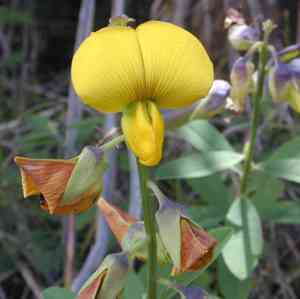
Dillenius' ticktrefoil (Desmodium glabellum)
Also known as: Smooth Tick-trefoil, Prostrate Tick-trefoil
D. glabellum, known as the Smooth Yellow False Foxglove, typically reaches heights of 1-3 feet and features smooth, hairless stems and lance-shaped leaves arranged in opposite pairs. Unlike the reference, its flowers are bright yellow and tubular, blooming from late summer to early fall, particularly between August and September. The plant thrives in dry, open woods and prairies with well-drained soils. It produces seeds in small capsules during its blooming period, attracting various pollinators like bees. This species is distinct from Desmodium perplexum, despite some similarities.
In This Article
Attributes of Dillenius' ticktrefoil
Lifespan
Perennial
Plant Type
Herb
Plant Height
30-60 cm
Spread
N/A
Leaf Color
Green
Flower Size
1-2 cm
Flower Color
Purple
Images of Dillenius' ticktrefoil
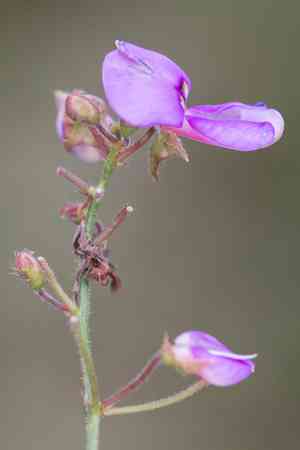
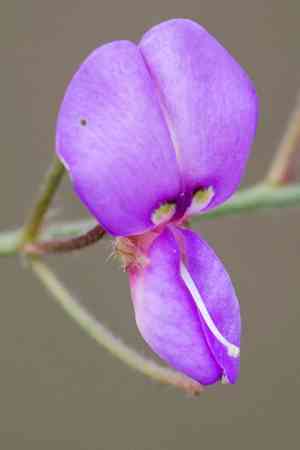
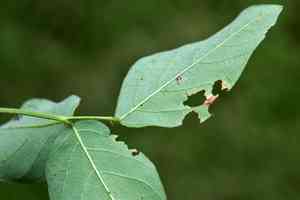
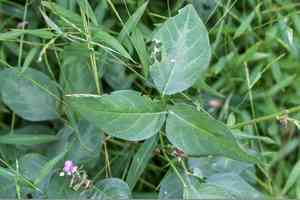
Quickly Identify Dillenius' ticktrefoil
1
To identify Desmodium glabellum, look for trifoliate leaves that are smooth and lack hairs (glabrous). The plant produces small pink to purple flowers arranged in raceme inflorescences. Additionally, the plant is known for its clinging seed pods, which have small barbs that attach to fur and clothing.
Scientific Classification of Dillenius' ticktrefoil
Phylum
Vascular plants
Class
Dicotyledons
Order
Fabales
Family
Legume
Genus
Tick clover
Species
Dillenius' ticktrefoil
Planting and Growing of Dillenius' ticktrefoil
Care Difficulty
Moderate
Watering Schedule
Every 2 days
Sunlight Requirements
Partial sun
Sunshine Duration
4-8 hours
Ideal Temperature
68-77℉
Soil Type
Potting Mix, Peat Mix
Soil pH
6.5-7.5
Fertilizer Type
Balanced
Pruning Season
Spring, Summer
Pruning Area
Branches, Leaves
Pruning Frequency
Once a year
Repotting Season
Spring
Pot Type
Plastic, Ceramic
 How to Water Dillenius' ticktrefoil?
For Desmodium glabellum, aim to thoroughly soak the soil with approximately 250 milliliters of water per session. The goal is to ensure the soil is evenly moistened without leaving standing water. Ensure the water penetrates at least a few inches deep into the soil to reach the root zone, promoting healthy growth.
What are the symptoms of an underwatered Dillenius' ticktrefoil?
›
What should I do if my Dillenius' ticktrefoil is not getting enough water?
›
What are the symptoms of an overwatered Dillenius' ticktrefoil?
›
How to save an overwatered Dillenius' ticktrefoil?
›
 What Are the Sunlight Requirements for Dillenius' ticktrefoil?
Desmodium glabellum thrives with 6 to 8 hours of partial to full sun daily. This range supports photosynthesis, encourages flowering, and ensures overall plant health, balancing exposure to prevent damage from either extreme.
What is the best lighting position for Desmodium glabellum?
›
How can you achieve ideal lighting for Desmodium glabellum?
›
What benefits does ideal lighting provide to Desmodium glabellum?
›
 What Is the Ideal Temperature Range for Dillenius' ticktrefoil?
Maintaining an ideal temperature range for Desmodium glabellum is crucial for optimal growth. Temperatures between 68°F and 77°F enable the plant to perform photosynthesis efficiently, encouraging healthy growth and vibrant foliage. Deviating from this range can lead to stress and reduced growth rates.
 What Soil is Best for Dillenius' ticktrefoil?
Desmodium glabellum thrives in nutrient-rich soil. Fertile soil enhances its growth and flowering potential, ensuring the plant has access to essential macro and micronutrients, leading to robust health and vibrant appearance. This plant prefers well-draining soil to prevent root rot and other moisture-related issues. Adequate drainage ensures that water doesn’t pool at the roots, preserving plant health and promoting optimal root development. The soil should retain moderate moisture levels, not too dry or waterlogged. This balance helps maintain the plant’s hydration needs, playing a crucial role in its biological processes and supporting sustained growth.
 How to Fertilize Dillenius' ticktrefoil?
For Desmodium glabellum, the amount of fertilizer should be minimal to moderate. A balanced 10-10-10 NPK (nitrogen, phosphorus, potassium) fertilizer is recommended at half strength. This plant benefits from nutrient support but does not require aggressive feeding.
 How to Prune Dillenius' ticktrefoil?
Begin by cutting back any stems that are overgrown, aiming just above a node or bud to encourage new growth. Make clean, angled cuts to allow water to run off and prevent disease. Trim the sides and top to maintain the desired shape of your Desmodium glabellum. Regular shaping helps enhance its ornamental value, keeping it neat and visually appealing.
More About Pruning Techniques→
 How to Propagate Dillenius' ticktrefoil plant?
1
Begin by filling your seed tray with a good quality seed starting mix. Ensure the mix is evenly moist but not waterlogged to promote healthy germination.
2
Sow the seeds thinly across the surface of the soil in the tray. Ideally, cover them lightly with a layer of soil and water gently without moving the seeds.
3
For cutting propagation, select healthy stems about 4 inches long. Cut just below a node and remove any leaves from the lower half of the cutting.
 How to Repot Dillenius' ticktrefoil plant?
1
Desmodium glabellum should be repotted when you notice that the roots are starting to outgrow the pot, or the soil is compacted and drainage is poor. Early spring or autumn is ideal, as the plant is less stressed during these cooler times.
2
Select a pot that is one size larger than the current one. It should have adequate drainage holes to prevent waterlogging, which can lead to root rot. A pot with proper drainage ensures the roots have room to breathe and grow efficiently.
3
Opt for a well-draining potting mix, ideally one that mimics the plant’s natural environment. This kind of soil prevents water retention, thus avoiding root rot and encouraging healthy growth. A mix consisting of peat, perlite, and a bit of sand works wonders.



