How to Propagate Dillenius' ticktrefoil?
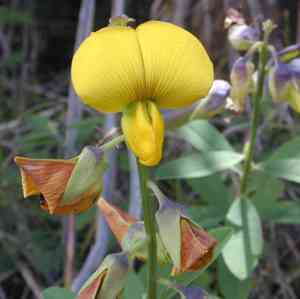
Dillenius' ticktrefoil flourishes when planted in adequately drained soil rich in organic matter. It is crucial to scarify seeds to overcome dormancy and improve sprouting. Keep moisture levels balanced, avoiding oversaturation of the soil. Ideal illumination, from dappled shade to direct sunlight, is vital for vigorous development. Consult reliable gardening references for detailed cultivation advice, guaranteeing dillenius' ticktrefoil grows strongly and enriches your garden's ecological variety.
What Is the Best Time To Propagate Dillenius' Ticktrefoil?
Propagation Type
Sowing
Propagation Season
Spring
What Tools Are Used in Dillenius' Ticktrefoil Propagation?
Seed trays
Seed trays are crucial for the initial planting of dillenius' ticktrefoil seeds. They aid in organized cultivation and offer an optimal environment for germination. The shallow depth of seed trays ensures that the small dillenius' ticktrefoil seeds are not buried too deeply, which is vital for their successful emergence.
Propagating mat with temperature control
A propagating mat, especially one with temperature control, optimizes soil temperature, boosting the germination rate of dillenius' ticktrefoil. Temperature control is essential, as dillenius' ticktrefoil seeds may need a specific range to sprout successfully, promoting better early growth and development.
Fine mister or spray bottle
A fine mister or spray bottle is used to gently water dillenius' ticktrefoil seeds, ensuring the soil is damp but not saturated. This watering method prevents small seeds from being displaced and provides an ideal moisture level for germination and seedling health.
Fine vermiculite or perlite
Fine vermiculite or perlite can be mixed with the soil to enhance its aeration and drainage. This is particularly beneficial for dillenius' ticktrefoil as it encourages better root growth and prevents waterlogging, which could lead to seed and root rot.
How to Propagate Dillenius' Ticktrefoil?
Propagation Type
Easy
How to Care for Your Newly Propagated Dillenius' Ticktrefoil?
How to Care for Your Newly Propagated Dillenius' Ticktrefoil?
After germination, keep the soil moist and provide dillenius' ticktrefoil with full sun to partial shade. Gradually thin seedlings to prevent overcrowding, which can reduce vigor and increase disease susceptibility. Once established, dillenius' ticktrefoil is relatively low maintenance but benefits from occasional watering during prolonged dry spells and an annual application of a balanced fertilizer in early spring.
Common Mistakes to Avoid When Propagating Dillenius' Ticktrefoil
Overwatering
Excessive watering can cause root rot in dillenius' ticktrefoil, hindering the root development necessary for successful propagation.
Incorrect Soil Mix
Using a soil mix that drains poorly or lacks sufficient organic matter can impede dillenius' ticktrefoil's root growth, affecting overall plant health.
Deep Planting
Planting seedlings or cutplug too deeply can prevent dillenius' ticktrefoil from establishing properly, as it may struggle to reach the surface and photosynthesize efficiently.
Neglecting Humidity
Ignoring the need for a humid environment when propagating dillenius' ticktrefoil from cuttings can lead to desiccation and poor root formation.
Tips For Propagating Dillenius' Ticktrefoil
Appropriate Watering
Ensure the soil is moist but not waterlogged to promote healthy root growth without risking root rot.
Suitable Soil Mix
Use a well-draining, rich organic soil mix to provide the necessary nutrients and support for dillenius' ticktrefoil's root systems.
Proper Planting Depth
Plant seeds or cuttings at the correct depth to facilitate easy emergence of shoots and adequate root expansion.
Maintain Humidity
Keep the environment humid, particularly when propagating from cuttings, to support moisture retention and healthy root development.



