The Dillenius' ticktrefoil Plant Advantage: Maximizing Home and Office Appeal and Wellness
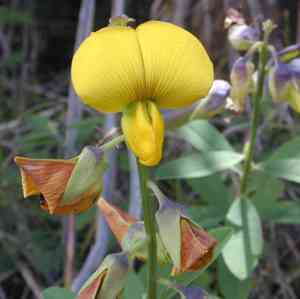
1
Dillenius' ticktrefoil is recognized for its distinct capacity to enhance soil quality through nitrogen fixation.
2
This flora offers superb ground coverage, aiding in the prevention of soil degradation.
3
Dillenius' ticktrefoil acts as a vital nutritional supply for numerous pollinators, such as bees.
How Does Dillenius' ticktrefoil Improve Soil Health?
Nitrogen Fixation
Dillenius' ticktrefoil possesses a unique capacity to fix nitrogen within the soil. This process involves converting atmospheric nitrogen into a usable form for plant growth. Nitrogen-fixing bacteria residing in the plant's root nodules aid in transforming nitrogen gas into ammonia, which subsequently becomes nitrates and nitritesâvital nutrients for plant development. This positions Dillenius' ticktrefoil as an excellent companion for crops requiring high soil nitrogen levels.
Improving Soil Structure
The deep root system of Dillenius' ticktrefoil helps to loosen compacted soils, enhancing soil aeration and water penetration. This can lead to improved root development for nearby plants and boosts the soil's capacity to absorb and retain moisture. Organic matter from decaying plant parts also contributes to soil fertility, enriching the soil over time.
How Can Dillenius' ticktrefoil Prevent Soil Erosion?
Ground Cover
Dillenius' ticktrefoil forms a dense layer of foliage that effectively covers the ground, minimizing the impact of raindrops on the soil surface. This protective cover helps to reduce soil erosion caused by water runoff, especially on slopes and in areas prone to erosion.
Root System
The extensive root system of Dillenius' ticktrefoil anchors the soil firmly, preventing it from being washed away during heavy rainfall. This not only helps maintain the integrity of the landscape but also preserves soil nutrients, making them available for future plantings.
What Role Does Dillenius' ticktrefoil Play in Biodiversity?
Attraction of Pollinators
Dillenius' ticktrefoil produces blossoms that draw in various pollinators, including bees, butterflies, and other insects. These pollinators are crucial for the reproduction of many plants, contributing to biodiversity and the health of ecosystems.
Supporting Wildlife
Beyond attracting pollinators, Dillenius' ticktrefoil offers sustenance and habitat for diverse wildlife species. The seeds and leaves of Dillenius' ticktrefoil serve as a food source for birds and small mammals, while its thick growth can provide shelter and nesting locations.
How Does Dillenius' ticktrefoil Benefit Agricultural Practices?
Crop Rotation
Dillenius' ticktrefoil can be an essential component of crop rotation systems. By alternating Dillenius' ticktrefoil with other crops, farmers can disrupt pest and disease cycles, reduce soil depletion, and improve the overall health of their fields. The nitrogen-fixing capability of Dillenius' ticktrefoil also lessens the need for synthetic fertilizers, making agricultural practices more sustainable.
Green Manure
Farmers frequently cultivate Dillenius' ticktrefoil as a cover crop and then incorporate it into the soil to function as green manure. This practice enriches the soil with organic matter, enhances its texture, and supplies vital nutrients to subsequent crops. Utilizing Dillenius' ticktrefoil as green manure can lead to increased yields and more resilient agricultural systems.
Can Dillenius' ticktrefoil Be Used in Landscaping?
Ornamental Use
Dillenius' ticktrefoil is not only practical but also aesthetically pleasing. Its attractive flowers and foliage make it a popular choice for decorative landscaping. It can be used in garden borders, as ground cover, or even in mixed planting schemes to add visual appeal to outdoor areas.
Sustainable Landscaping
Incorporating Dillenius' ticktrefoil into landscaping can contribute to sustainability. Its ability to enhance soil health, prevent erosion, and support biodiversity makes it a valuable addition to environmentally responsible landscape designs. By including Dillenius' ticktrefoil, gardeners and landscapers can create robust, low-maintenance, and eco-friendly spaces.



