How to Prune Bush poppy?
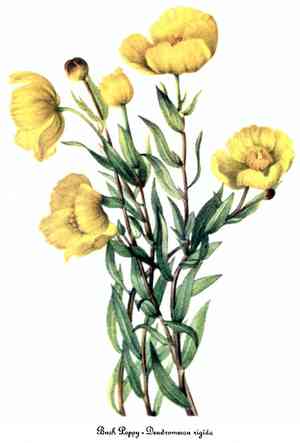
Distinguished by its brilliant yellow blossoms and resilient disposition, bush poppy flourishes with judicious trimming. Following its blooming period, in the winter season, snip off faded flowers and sculpt the plant to control its dimensions. Excising as much as one-third and cutting directly above buds that face outward fosters robust development. Eliminate any lifeless or ailing stems at any point. Consistent thinning improves air circulation and sunlight penetration, which are vital for bush poppy's vitality and flower yield. Excessive pruning can be harmful; prioritize preserving its inherent shape.
Advantages of Trimming Bush Poppy
Advantages of Trimming Bush Poppy
Trimming bush poppy promotes robust development and preserves its desired configuration. Strategic cuts boost vitality and form, ensuring bush poppy's visual appeal and well-being are optimized.
Optimal Period for Pruning Bush Poppy
Optimal Period for Pruning Bush Poppy
Pruning bush poppy during late winter coincides with its dormant phase, preparing it for vigorous spring growth. This timing prevents cutting in autumn, which can stimulate new growth vulnerable to frost damage. Pruning before spring enables the gardener to shape bush poppy's development without impacting its late spring to early summer flowering cycle, fostering healthier blooms and preventing disease by eliminating dead or compromised stems.
Essential Tools for Pruning Bush Poppy
Bypass Pruners
Perfect for making clean cuts on bush poppy's green and semi-woody stems. Recommended for precise trimming of stems up to 3/4 inch in diameter.
Lopping Shears
Recommended for cutting through thicker branches of bush poppy that bypass pruners cannot manage. Suitable for branches up to approximately 1 1/2 inches thick, offering greater leverage and reach.
Pruning Saw
Required for any branches exceeding 1 1/2 inches in thickness that need removal from bush poppy. A fine-tooth pruning saw can create cleaner cuts through larger wood without causing excessive harm.
Gloves
Safety is crucial. Wear sturdy gloves to shield your hands from bush poppy's rough stems and foliage during the pruning process.
Pruning Sealer
Used to seal larger cuts on bush poppy to ward off diseases. It aids the healing process and minimizes rot, though it's not always essential.
How to Prune Bush Poppy
Clean tools
Before commencing the pruning process, disinfect your pruning tools to prevent the spread of disease. Wipe the blades with rubbing alcohol or a solution of one part bleach to nine parts water.
Identify parts
Examine bush poppy closely to pinpoint dead or diseased branches. Look for branches that are discolored, shriveled, or exhibit signs of fungal infection.
Cut dead branches
Using sharp, clean pruning shears, remove dead branches as close to their origin point on the main stem as possible without harming the healthy tissue.
Trim diseased branches
Carefully trim diseased branches on bush poppy, making cuts several inches below the affected area to ensure all diseased tissue is eliminated. Dispose of these branches properly to prevent disease spread.
Cleanup
Gather and discard all removed branches and debris from bush poppy to maintain a clean area, which will help prevent any potential disease spread or pest infestation.
Common Pruning Errors with Bush Poppy
Overpruning
Pruning excessively can stress bush poppy, leading to poor growth or reduced flowering. Removing more than one-third of the plant can be detrimental.
Incorrect cut locations
Cutting too far from a bud or node can leave a stub that risks disease and pest entry. Similarly, cutting too close can damage the bud.
Using dull tools
Dull pruning tools can cause jagged cuts that heal poorly and invite disease.
Wrong cut angle
Making cuts at an improper angle can lead to water accumulation on the cut surface, promoting decay.
Neglecting sanitization
Failing to sanitize tools between cuts can spread disease from infected parts to healthy ones.
Ignoring plant shape
Cutting without considering the natural shape of bush poppy results in an aesthetically unpleasing form and can harm the plant's structural integrity.
General Pruning Advice for Bush Poppy
Selective pruning
Prune selectively to maintain plant health and shape. Prioritize removing dead, diseased, or damaged branches first.
Sharp clean cuts
Always use sharp, clean pruning tools to make precise cuts for rapid healing and to prevent disease.
Appropriate cut location
Make cuts just above buds or branching points, allowing for seamless growth without leaving an unnecessarily long stub.
Cut angle
Make cuts at a 45-degree angle facing away from the bud, which helps to shed water away from the bud, reducing disease risks.
Tool sanitization
Clean and sanitize cutting tools with rubbing alcohol or a 10% bleach solution between cuts, especially when moving between plants.
Follow natural growth
Bush poppy benefits from pruning that follows its natural growth pattern, enhancing its inherent structure and beauty.



