The Bush poppy Plant Advantage: Maximizing Home and Office Appeal and Wellness
1
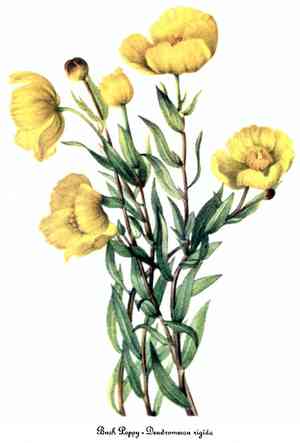
Bush poppy is recognized for its bright yellow blooms that improve garden beauty.
2
Bush poppy draws in helpful pollinators, supporting a more robust ecosystem.
3
Bush poppy tolerates dry conditions and requires little upkeep, making it a perfect option for eco-friendly gardening.
Why Select Bush poppy for Your Garden?
Visual Appeal
A primary reason to incorporate Bush poppy into your garden is its visual charm. The plant showcases striking yellow blossoms that create a vibrant and captivating display. These bright flowers not only add color to your garden but also serve as a focal point to be enjoyed throughout the flowering season.
Effortless Care
Another significant benefit of Bush poppy is its low-maintenance characteristic. This plant is highly resistant to drought, needing minimal watering once established. Its ability to flourish in poor or rocky soils makes it an excellent option for gardeners desiring beautiful flora without demanding upkeep.
How Does Bush poppy Benefit the Ecosystem?
Supports Pollinators
Bush poppy plays a vital role in aiding local pollinators. Its blooms attract various bees, butterflies, and other beneficial insects, which are crucial for pollination. By planting Bush poppy, you foster a supportive environment for these pollinators, contributing to the health and diversity of your local ecosystem.
Erosion Prevention
Bush poppy is effective in preventing soil erosion. Its extensive root system helps stabilize the ground, reducing the risk of erosion on slopes and in areas prone to soil degradation. This makes it an excellent choice for landscapes requiring soil stabilization.
What Are the Growth Requirements for Bush poppy?
Optimal Climate
Bush poppy thrives in Mediterranean climates, characterized by mild, wet winters and hot, dry summers. It is well-adapted to regions with similar conditions but can tolerate varying temperatures within reason. While it prefers full sun, Bush poppy can also grow in partial shade, making it versatile for different garden settings.
Soil Needs
This plant is not particularly particular about soil types. It can grow in sandy, loamy, or even clay soils, as long as the soil is well-drained. Avoid areas with poor drainage, as standing water can harm the plant.
Does Bush poppy Require Special Attention?
Watering Requirements
Once established, Bush poppy is highly drought-tolerant, requiring infrequent watering. It is crucial to ensure that the plant is adequately watered during its initial growth period. After it has established, watering needs are minimal, making Bush poppy an excellent choice for water conservation.
Trimming and Upkeep
Bush poppy generally requires little to no pruning. However, you can trim back any dead or damaged branches to maintain its shape and health. Pruning can also encourage new growth and more prolific blooming.
What Makes Bush poppy a Sustainable Option?
Reduced Water Consumption
Given its drought-tolerant nature, Bush poppy significantly reduces the need for irrigation. This can lead to substantial water savings, particularly in arid or drought-prone areas. By incorporating Bush poppy into your garden, you are not only conserving water but also promoting sustainable gardening practices.
Native Plant Advantages
Bush poppy is native to its growing region, meaning it has naturally adapted to the local climate and soil conditions. Using native plants like Bush poppy supports local biodiversity and reduces the need for chemical fertilizers and pesticides. This contributes to a healthier environment overall.
Can Bush poppy Be Utilized in Landscaping?
Design Adaptability
One of the prominent features of Bush poppy is its adaptability in landscape design. It can be used as a standalone specimen plant, in groupings for mass plantings, or along borders and pathways. Its vibrant flowers and evergreen foliage provide year-round interest, making it a valuable addition to any landscape.
Wildlife Habitat Creation
By incorporating Bush poppy into your landscaping, you can create a habitat for various forms of wildlife. Birds, insects, and small mammals are attracted to the shelter and food sources provided by this plant. This interaction not only enriches the local ecosystem but also offers you the joy of observing wildlife in your garden.



