How to Propagate Bush poppy?
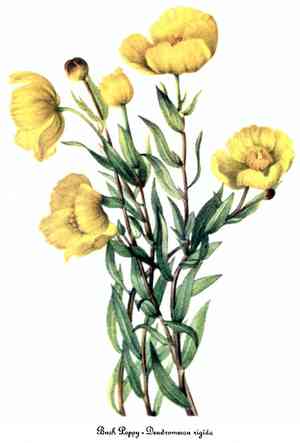
Fremontodendron californicum flourishes most effectively when reproduced via cuttings. To achieve successful cultivation, obtain semi-hardwood sections and confirm they are adequately drained; this variety favors arid environments. Employing a rooting stimulant is advantageous for improved establishment, with rooting occurring in a coarse, highly aerated substrate. Consistent spraying will assist the cuttings in preserving essential moisture levels without becoming oversaturated, fostering more robust root formation.
Optimal Time for Bush Poppy Propagation
Propagation Method
Cutting
Propagation Period
Autumn,Winter
Tools for Bush Poppy Propagation
Sharp pruning shears
Crucial for making clean cuts from bush poppy, sharp pruning shears minimize harm to both the parent plant and the cutting. A precise cut helps prevent disease and promotes quicker healing and rooting.
Rooting hormone powder
This encourages root development on bush poppy cuttings. Dipping the cutting's base into this powder before planting significantly boosts the likelihood of successful rooting, vital for bush poppy's propagation which might otherwise have lower rooting rates.
Sterile potting mix
Employing a sterile potting mix for bush poppy cuttings prevents diseases and fungi from harming young roots. An ideal medium is well-draining and low in nutrients, offering necessary support and moisture without overwhelming new roots.
Small pots or trays
These are utilized for planting individual bush poppy cuttings, enabling controlled growth environments. Each cutting can be monitored and cared for separately, enhancing the chances of successful individual plant development.
Plastic covers or humidity domes
After planting bush poppy cuttings, maintaining high humidity is essential for encouraging root growth. These covers or domes help retain moisture and warmth around the cutting, creating a mini-greenhouse effect.
Bush Poppy Propagation Difficulty
Propagation Type
Moderately Difficult
Post-Propagation Care for Bush Poppy
Post-Propagation Care for Bush Poppy
Following propagation, continue to monitor soil moisture, ensuring it is damp but not waterlogged. Bush poppy thrives in full sun, so gradually introduce young plants to more direct sunlight over several days to prevent scorching. Avoid overwatering as bush poppy is drought-tolerant once established. Fertilization is generally not required, but a light application of a balanced, slow-release fertilizer can be applied annually to support healthier growth. Regular pruning is not essential but can be done to shape the plant or manage its size.
Common Errors to Avoid When Propagating Bush Poppy
Overwatering
Excessive watering of bush poppy can lead to root rot and fungal infections due to its preference for drier conditions. This error often occurs when gardeners overlook bush poppy's native habitat, which is well-draining and not moisture-retentive.
Using non-acidic soil
Bush poppy flourishes in acidic soil; using alkaline or neutral soil can hinder proper nutrient absorption, resulting in stunted growth and reduced plant vitality.
Planting in shaded areas
Given bush poppy's need for full sun to thrive, planting it in shaded or partially shaded locations can significantly impede its growth and flowering capacity.
Bush Poppy Propagation Advice
Use acidic, well-draining soil
To mimic bush poppy's natural growing conditions, use a soil mix that is acidic and drains well. This helps prevent root diseases and supports healthier growth.
Propagate from seed or cuttings in appropriate medium
For successful propagation, it is vital to use a suitable propagating medium, such as a sand and peat mix, that promotes root growth without retaining excessive moisture.
Ensure full sun exposure
Providing full sun exposure when planting bush poppy is crucial for its optimal growth and flowering. This replicates the natural, high-light environments where bush poppy typically thrives.



