How to Prune Seaside delosperma?
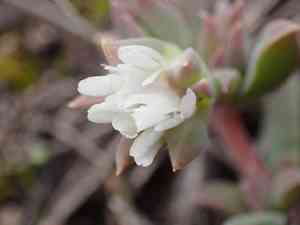
Delosperma cooperi is a robust, fleshy groundcover featuring vivid, daisy-shaped blossoms. Cut back Delosperma cooperi in the latter part of winter or early spring to eliminate deceased or injured stalks and stimulate robust development. Reduce any excessively grown sections to preserve its form and foster thicker leaves. Consistent trimming aids in preventing sparse growth and boosts flowering. Employ sanitized, keen implements to lessen harm. Appropriate timing and method will revitalize the plant, guaranteeing more energetic and attractive growth.
What Are the Benefits of Pruning Seaside Delosperma?
What Are the Benefits of Pruning Seaside Delosperma?
Trimming seaside delosperma promotes robust development and helps maintain its form, ensuring a healthier, more attractive plant. Regular trimming also improves air circulation, lowering the chance of pests and diseases. Timely cutting encourages blooming and manages plant size, making it more manageable.
What Is the Best Time for Pruning Seaside Delosperma?
What Is the Best Time for Pruning Seaside Delosperma?
Trimming seaside delosperma during early spring and late winter is considered ideal due to its growth cycle and health considerations. During late winter, the plant is in a dormant state, which minimizes stress and the risk of disease or pest infestation. Early spring is also optimal because seaside delosperma has not yet entered its vigorous growth and flowering period. Pruning during these times encourages healthy growth and optimal blooming while reducing the risk of harm to the plant.
What Tools Do I Need to Prune Seaside Delosperma?
Sharp Bypass Pruners
Perfect for making precise cuts on seaside delosperma's stems without crushing them, crucial for maintaining plant vitality.
Pruning Shears
Useful for trimming small branches and shaping seaside delosperma to encourage a dense, bushy growth habit.
Hand Snips
Ideal for detailed trimming tasks, such as removing spent blooms and delicate shaping of new growth on seaside delosperma.
Sterilizing Wipes
Essential for preventing the spread of pathogens after each cut, particularly vital for seaside delosperma and other succulent plants.
How to Prune Seaside Delosperma
Inspect
Carefully examine seaside delosperma for any diseased or withered foliage as they can impact the plant's overall well-being.
Sanitize tools
Disinfect your pruning shears with alcohol or a bleach solution to prevent the spread of disease.
Trim diseased leaves
Cut off any diseased leaves at their base where they connect to the stem, ensuring proper disposal to avoid contamination.
Remove withered leaves
Eliminate any withered leaves by trimming them at the point where they meet healthy growth to stimulate new, vigorous growth.
Monitor
Continue to observe seaside delosperma regularly for signs of disease or decline, and repeat the trimming process as needed to maintain plant health.
Common Pruning Mistakes with Seaside Delosperma
Pruning too much
A frequent error is removing an excessive amount of the plant at once. Over-pruning can stress seaside delosperma, leading to reduced blooming and overall poor health.
Incorrect technique
Improper cutting methods, such as using dull tools or making jagged cuts, can harm seaside delosperma and increase the risk of disease.
Pruning at wrong nodes
Another common mistake is trimming at the incorrect nodes or points on the plant. This can impede new growth and affect the plant's form and structure.
Ignoring damaged parts
Some gardeners fail to remove damaged, diseased, or dead portions of the plant, which can hinder healthy growth and spread disease.
Common Pruning Tips for Seaside Delosperma
Use sharp tools
Always use sharp, clean pruning shears to make precise cuts and minimize the risk of infection.
Prune specific nodes
Trim just above a node or leaf joint to encourage new growth and maintain its natural shape.
Remove dead or diseased
Promptly remove any dead, damaged, or diseased stems to promote overall plant health and prevent disease spread.
Minimal pruning
Keep trimming to a minimum. Light pruning helps maintain shape and encourages more flowers without stressing the plant.
Clean after pruning
Clean your tools after pruning seaside delosperma to prevent the spread of disease to other plants.



