How to Propagate Seaside delosperma?
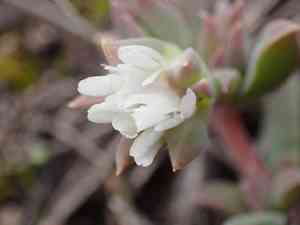
Delosperma seaside flourishes in substrates that drain effectively, usually those that are sandy or coarse. For propagation via seeding, confirm that the seeds are thinly veiled with earth and situated in a location receiving abundant solar exposure. Sustain a balanced level of dampness, preventing excessive watering to avert the decay of roots. Following germination, young plants ought to be meticulously relocated to lessen any disruption to their root systems. Periodically inspect for infestations and ailments, employing natural remedies if required to foster robust development.
Optimal Time for Seaside Delosperma Propagation?
Propagation Method
Seed Planting
Propagation Period
Spring
Tools for Seaside Delosperma Propagation?
Seed Tray
Used for germinating seeds in a regulated setting. Seed trays offer superb drainage and ease of handling, crucial for the delicate seeds of seaside delosperma.
Seedling Compost
A soil blend with balanced nutrients, ideal for the initial growth stage. It guarantees sufficient nourishment and correct pH levels essential for seaside delosperma germination.
Spray Bottle
Maintains moisture levels without over-saturating the soil. This tool is vital for keeping the delicate seaside delosperma seeds damp during germination.
Heating Mat
Provides consistent warmth to promote seed germination. Seaside delosperma seeds often need a stable warm environment to break dormancy, which the heating mat facilitates.
Transparent Lid or Plastic Wrap
Helps create a humid microenvironment above the seed tray. This mimics a greenhouse effect, encouraging faster and more uniform germination for seaside delosperma.
Label Stakes
Used for marking seed trays with the plant's name and sowing date. It aids in tracking propagation timing and seed identification, ensuring organized care for seaside delosperma.
Fine Sieve
Useful for lightly covering seeds with a thin layer of compost or sand. For seaside delosperma, a fine sieve ensures seeds are not buried too deep, promoting better germination rates.
Watering Can with Fine Rose
Offers a gentle watering method to prevent soil displacement. The fine rose attachment ensures delicate water distribution, vital for the early stages of seaside delosperma's growth.
How to Propagate Seaside Delosperma?
Propagation Type
Simple
Caring for Newly Propagated Seaside Delosperma?
Caring for Newly Propagated Seaside Delosperma?
Once seedlings have developed several true leaf sets, transfer them to individual pots with well-draining soil. Gradually expose them to direct sunlight. Water sparingly, allowing the soil to dry out between watering sessions to prevent root rot. Ensure good air circulation to prevent fungal diseases. Maintain a temperature range of 60-75°F (16-24°C) for healthy growth.
Common Errors to Avoid When Propagating Seaside Delosperma
Overwatering
Excessive water can lead to root rot and fungal infections, impeding growth.
Using heavy soil
Dense, poorly draining soil can retain moisture and suffocate roots, leading to root rot.
Lack of sunlight
Seaside delosperma needs ample sunlight; insufficient light can hinder growth and make the plant leggy.
Improper cutting technique
Incorrectly cutting the plant or using dull tools can damage plant tissues, leading to poor root development.
Neglecting to allow cuttings to callus
Planting cuttings immediately without allowing time to callus can result in rot and unsuccessful propagation.
Tips For Propagating Seaside Delosperma
Well-draining soil
Use a lightweight, sandy, or succulent-specific soil mix to ensure excess water drains away.
Adequate sunlight
Place the plant in a bright, sunny location to encourage healthy growth and robust development.
Proper watering
Water sparingly, allowing the soil to dry out completely between waterings to prevent root rot.
Sterilized tools
Use clean, sharp tools to take cuttings, minimizing damage and reducing the risk of disease.
Callusing cuttings
Let cuttings sit for a few days until the cut end calluses over before planting, reducing the chance of rot.



