How to Prune Shrubby deeringia?
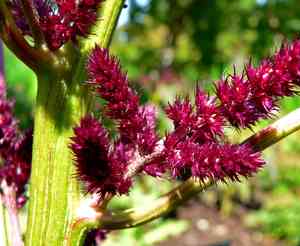
This partially woody perennial is noted for its bush-like development and resilience. For shrubby deeringia, effective trimming entails shortening excessively long stems and eliminating deceased or compromised leaves to preserve its form and stimulate vigorous development. Trimming should occur in the early spring or late winter, coinciding with the plant's inactive period for a strong seasonal resurgence. Consistent trimming aids shrubby deeringia by improving air movement, lowering the chance of illness, and fostering thicker foliage.
Advantages of Trimming Shrubby Deeringia
Advantages of Trimming Shrubby Deeringia
Trimming shrubby deeringia promotes robust development and assists in preserving its desired form. This fosters a healthier, more visually appealing specimen, potentially enhancing the plant's vigor and lifespan.
Optimal Period for Trimming Shrubby Deeringia
Optimal Period for Trimming Shrubby Deeringia
Trimming shrubby deeringia from late winter to early spring is ideal, as this timing coincides with the conclusion of its dormant phase, just before new growth commences. This window allows the plant to recover from cuts without diverting energy from establishing new growth, which is vital for maintaining its health and strength. Pruning prior to the start of spring growth enables gardeners to shape the plant and manage its size without affecting subsequent flowering or fruiting cycles. Furthermore, in late winter, the absence of leaves offers better visibility for gardeners to make precise cuts and remove any dead or diseased wood, thereby improving the plant's overall structure and appearance.
Tools Required for Trimming Shrubby Deeringia
Hand pruners or secateurs
These implements are crucial for making precise cuts on the relatively slender branches of shrubby deeringia. They are perfect for shaping and eliminating dead or diseased wood without harming the plant.
Lopping shears
For slightly thicker branches that hand pruners cannot manage, lopping shears offer leverage to cut through diameters exceeding those handled by hand pruners. Given that shrubby deeringia can have multiple stems, lopping shears may be useful for trimming thicker growth.
Pruning saw
Should shrubby deeringia develop any particularly thick branches, a pruning saw can quickly address them. The saw enables cutting through wood too thick for loppers, ensuring clean cuts and maintaining plant health.
Hedge shears
If shrubby deeringia is maintained as a hedge or requires shaping, hedge shears are suitable for trimming and forming the shrub to the desired outline. These are especially helpful for keeping shrubby deeringia neat with a uniform growth pattern.
Gloves
While not a cutting tool, gloves are essential for protecting the gardener's hands from thorns and rough branches when trimming shrubby deeringia.
How to Trim Shrubby Deeringia
Sanitize tools
Disinfect your pruning shears before beginning to prevent disease transmission. Clean them with a 1:9 bleach-to-water solution or use rubbing alcohol.
Identify
Examine shrubby deeringia closely to locate affected and withered leaves. These leaves might appear discolored, spotted, or dried out.
Remove diseased leaves
Use the pruning shears to carefully cut away diseased leaves at their base, near the main stem. Avoid tearing the stems to prevent unnecessary damage.
Remove withered leaves
Trim withered leaves from shrubby deeringia, following the same procedure as for diseased leaves. Ensure clean cuts that do not leave stubs, which can lead to decay.
Cleanup
Gather and dispose of all removed diseased and withered foliage away from shrubby deeringia to minimize the chance of disease spread. Do not compost if the plant had severe diseases.
Common Trimming Errors with Shrubby Deeringia
Excessive trimming
Removing too much foliage at once can stress shrubby deeringia, leading to weak development and reduced vitality.
Incorrect Tool Use
Using dull or unsanitized trimming tools can harm shrubby deeringia's stems, making the plant vulnerable to diseases.
Tearing Stems
Ripping or tearing stems instead of making clean cuts can injure shrubby deeringia by creating open wounds that do not heal properly.
Neglecting to Remove Dead Material
Failing to remove dead or dying foliage can impede shrubby deeringia's growth and encourage disease.
Random Trimming
Cutting without understanding shrubby deeringia's growth habit may result in poor structure and reduced flowering.
General Trimming Advice for Shrubby Deeringia
Targeted Trimming
Remove only the necessary parts of shrubby deeringia, such as damaged or overcrowded stems, to maintain plant health without hindering growth.
Precise Cuts
Ensure cuts on shrubby deeringia are clean using sharp, sterilized trimming tools to minimize damage and disease risk.
Shape-Oriented Trimming
Trim shrubby deeringia to preserve its natural form, focusing on thinning rather than shearing to promote healthy growth and air circulation.
Rejuvenation Trimming
Occasionally, shrubby deeringia may benefit from more substantial trimming to revitalize its vigor, but always ensure living tissue remains for recovery.
Observe and React
Regularly inspect shrubby deeringia after trimming to ensure healthy regrowth and address any issues that may arise post-trimming.



