The Shrubby deeringia Plant Advantage: Maximizing Home and Office Appeal and Wellness
1
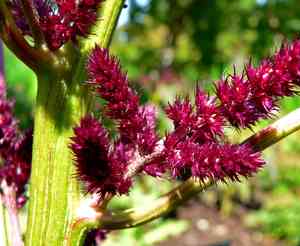
Deeringia rhamnoides is recognized for its bright crimson fruits, frequently utilized as a natural coloring agent.
2
This species provides considerable aesthetic appeal for those who enjoy gardening.
3
Its leaves offer superb ground coverage and help prevent soil erosion.
Why is Shrubby Deeringia a Preferred Garden Plant?
Visual Charm
A key reason Shrubby deeringia is favored by gardeners is its visual appeal. The plant showcases vivid red berries that introduce a burst of color to any landscape. These berries not only boost the garden's beauty but also serve as a natural dye. Its foliage is equally attractive, providing lush green leaves that complement various garden styles.
Resilience and Easy Care
Shrubby deeringia is a robust plant that needs minimal upkeep once established. It flourishes in diverse soil types and can endure various weather conditions, making it perfect for both new and seasoned gardeners. Its hardiness ensures it remains a consistent source of beauty without demanding extensive attention.
What Practical Advantages Does Shrubby Deeringia Offer?
Soil Stabilization
A lesser-known benefit of Shrubby deeringia is its capacity to prevent soil erosion. Its dense foliage and strong root system help secure the soil, especially on inclines and banks. This makes it an excellent plant for areas prone to erosion, offering both aesthetic and functional benefits.
Ground Cover Utility
Beyond erosion control, Shrubby deeringia functions as an effective ground cover. Its spreading growth habit ensures it quickly covers large areas, suppressing weeds and reducing the need for chemical herbicides. This ground-covering ability also creates a lush, green carpet that enhances the overall landscape.
How Does Shrubby Deeringia Boost Biodiversity?
Wildlife Sanctuary
Shrubby deeringia plays a vital role in supporting local wildlife. Its berries provide food for birds and small mammals, while its thick foliage offers shelter and nesting spots. By including Shrubby deeringia in your garden, you contribute to the local ecosystem and support biodiversity.
Pollinator Magnet
The blossoms of Shrubby deeringia attract various pollinators, including bees and butterflies. These pollinators are crucial for the reproduction of many plants and the overall health of the garden. By drawing in pollinators, Shrubby deeringia helps ensure the pollination of other nearby plants, boosting the garden's productivity.
How to Grow and Maintain Shrubby Deeringia?
Optimal Growth Conditions
Shrubby deeringia thrives in well-drained soil with moderate moisture. It adapts to various soil types, from sandy to clayey, and prefers sunny to partially shaded locations. Providing the right growing conditions will help Shrubby deeringia flourish and deliver maximum benefits.
Propagation Techniques
Shrubby deeringia can be propagated using seeds, cuttings, or division. Seeds should be sown in well-drained soil and kept moist until germination. Cuttings can be taken from healthy plants and rooted in a suitable growing medium. Division involves separating mature plants into smaller sections and replanting them. Each method has its advantages, allowing gardeners to choose the most suitable option for their needs.
Can Shrubby Deeringia Be Used in Landscape Design?
Creating Borders and Edges
Shrubby deeringia is an excellent choice for establishing borders and edges in a garden. Its dense foliage forms a natural barrier that defines garden spaces and adds structure to the landscape. This makes it an ideal plant for both formal and informal garden designs.
Integration in Mixed Plantings
In mixed plantings, Shrubby deeringia can be combined with other perennials and shrubs to create a diverse and visually appealing garden. Its contrasting colors and textures add depth to plant compositions, making it a versatile addition to any garden scheme.



