How to Prune Mullein foxglove?
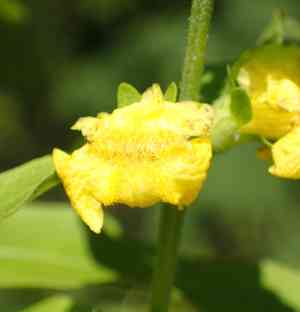
Recognized for its elevated stalks of golden blossoms, mullein foxglove flourishes in naturalized landscapes. Trimming entails eliminating deceased or ailing stalks, shortening elongated growth to foster a more compact form, and deadheading faded blooms to stimulate additional flowering. The ideal period for pruning is in spring to sculpt the plant and following summer or autumn flowering to sustain its vitality. Consistent trimming deters self-propagation and encourages robust, thicker foliage, which is crucial for this perennial's endurance and visual charm.
What Are the Benefits of Pruning Mullein Foxglove?
What Are the Benefits of Pruning Mullein Foxglove?
Trimming mullein foxglove promotes robust development by eliminating lifeless or ailing tissue, enhancing air movement and light penetration. It also preserves the plant's structure, boosting its overall visual appeal.
What Is the Best Time for Pruning Mullein Foxglove?
What Is the Best Time for Pruning Mullein Foxglove?
Trimming mullein foxglove in late spring coincides with the period after flowering, which fosters healthy development and stops seed dispersal. Early autumn pruning readies the plant for dormancy by removing dead or diseased matter, improving its vitality for the subsequent growing season. Pruning at these times supports mullein foxglove's natural life cycle, avoids interrupting blooming, and optimizes plant health.
What Tools Do I Need to Prune Mullein Foxglove?
Hand Pruners
Perfect for making precise cuts on mullein foxglove's thinner stems and branches to help shape the plant or remove dead or diseased material.
Pruning Shears
Most suitable for trimming the herbaceous parts of mullein foxglove, as they allow accurate control and are designed for softer plant material.
Pruning Saw
Appropriate for cutting through older, woodier stems of mullein foxglove that may be too thick for hand pruners, ensuring a clean cut without damaging the plant.
Loppers
Useful for reaching higher or deeper into mullein foxglove's growth where additional leverage is required to cut through medium-sized branches.
How to Prune Mullein Foxglove
Disinfect Tools
Before beginning, ensure all cutting implements are thoroughly sanitized to prevent the spread of disease to mullein foxglove. Use a solution of bleach or rubbing alcohol to clean the blades of pruning shears or scissors.
Identify
Locate the withered leaves on mullein foxglove. These are typically yellow, brown, or otherwise discolored and may be dry or limp.
Cut
Using the sanitized pruning shears, cut the withered leaves at the base where they meet the stem. Be careful not to damage adjacent healthy tissue.
Clean Up
Remove all cut material from around the base of mullein foxglove to discourage any pests or diseases from taking hold.
Monitor
After pruning, continue to monitor mullein foxglove for any signs of stress or further withering and repeat the pruning process as necessary.
Common Pruning Mistakes with Mullein Foxglove
Over-Pruning
Removing too much foliage from mullein foxglove can weaken the plant. It is essential to limit pruning to just the necessary parts, leaving enough leaves for photosynthesis and maintaining plant health.
Pruning Active Growth
Snipping actively growing stems could inhibit the development of mullein foxglove. Pruning should focus on dead or diseased parts to support the plant's inherent growth pattern.
Tearing Stems
Using dull tools or improper technique can cause tearing of mullein foxglove's stems, leading to damage and potential disease entry. Clean cuts with sharp tools are crucial.
Ignoring Deadhead
One common oversight is not removing spent flowers of mullein foxglove, commonly known as deadheading. Deadheading can encourage more blooms and prevent self-seeding if not desired.
Neglecting Tool Sanitation
Failing to clean and sanitize pruning tools before and after use can spread diseases between plants in the garden, including mullein foxglove.
Common Pruning Tips for Mullein Foxglove
Using Sharp Tools
Always use sharp, clean pruning shears or scissors. Sharp tools ensure clean cuts that heal quickly, preventing damage and disease in mullein foxglove.
Focused Pruning
Target only dead, damaged, or diseased parts of mullein foxglove which helps redirect the plantâs energy to healthier growth.
Judicious Thinning
Thin out dense areas of mullein foxglove to improve air circulation, which helps prevent fungal diseases and promotes even growth.
Maintaining Shape
While shaping mullein foxglove, aim to maintain its natural form. Overly aggressive shaping can stunt growth or alter the plantâs growth habit.
Post-Pruning Care
After pruning mullein foxglove, provide adequate water and consider a light application of suitable fertilizer to support recovery and new growth.



