Enhancing Your Garden Design with the Mullein foxglove Plant: A Landscaping Guide
1
Mullein foxglove contributes both height and vivid hues to garden designs.
2
Mullein foxglove aids native ecosystems and draws in helpful creatures.
3
Mullein foxglove's varied seasonal transformations guarantee continuous visual appeal.
Introducing Mullein foxglove into Your Garden
Understanding the Growth Habit of Mullein foxglove
Before planting Mullein foxglove, grasp its growth pattern. It thrives in well-drained soil and partial shade, balancing moisture and light. These plants can reach 3 feet, adding vertical interest. Their sturdy stems and large leaves provide strong structure, making Mullein foxglove a garden focal point throughout its season.
Choosing the Right Location for Mullein foxglove
Mullein foxglove flourishes best in dappled sunlight and good soil drainage. Selecting such an area ensures strong, healthy growth. Allow ample space for its mature size. Proper spacing aids air circulation, preventing disease, and highlights its natural beauty. Planting near taller shrubs or trees for partial shade creates an optimal environment.
Seasonal Considerations for Planting Mullein foxglove
Timing is crucial for Mullein foxglove. Plant in spring or early fall when soil is moist and temperatures are moderate. This promotes root establishment before summer heat or winter cold. In colder regions, mulching the base offers frost protection. Understanding these seasonal factors helps cultivate a thriving, resilient Mullein foxglove.
Visual Impact of Mullein foxglove in Landscapes
Height and Structure: The Vertical Appeal
A striking feature of Mullein foxglove is its height and structural presence. It reaches notable heights, offering vertical appeal, a desirable garden characteristic. It acts as a natural backdrop, adding layers and depth to other plants. This vertical element is impactful in smaller gardens, where height compensates for width, creating an illusion of a larger space.
Foliage and Flowering: Enhancing Color and Texture
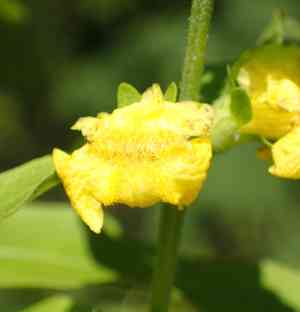
Mullein foxglove offers delightful colors and textures, enhancing any garden's aesthetic. Its broad green foliage contrasts beautifully with vibrant flowers, creating a lively atmosphere. The blossoms, often yellow and gold, attract human admiration and beneficial pollinators like bees and butterflies. Integrating Mullein foxglove ensures a dynamic mix of color and texture, elevating your landscape design's visual interest.
Seasonal Changes and Longevity of Visual Interest
Mullein foxglove provides continuous interest throughout seasons. It grows in spring, reaching full height by summer, adorned with bright flowers. As autumn nears, foliage hues may change, contributing to the garden's palette. Even in winter, dried stems add rustic charm. This year-round appeal makes Mullein foxglove a valuable garden addition, ensuring ongoing visual interest.
Cultural Significance and Ecological Benefits of Mullein foxglove
How Mullein foxglove Supports Local Wildlife and Ecosystems
Adding Mullein foxglove to your garden not only beautifies it but also supports local wildlife. Its flowers are a rich nectar source, attracting essential pollinators like bees and butterflies. Dense foliage provides shelter for small insects and birds. Planting Mullein foxglove is a commitment to supporting and sustaining local biodiversity, not just an aesthetic improvement.
Historical Uses and Cultural Importance of Mullein foxglove
Historically, Mullein foxglove held cultural significance in various regions. Some cultures used it for traditional medicine, others for folklore and ceremonies. Understanding this cultural significance deepens appreciation for Mullein foxglove, providing richer context for its garden presence. It's not just a plant; it's living heritage, adding historical value to your landscape design.
Companion Planting with Mullein foxglove
Selecting Companion Plants for Mullein foxglove
Companion planting strategically enhances Mullein foxglove's growth and visual impact. Choose plants with complementary habits, colors, and textures. Low-growing ground covers or perennials thriving in similar conditions create a harmonious bed. Consider plants that contrast or complement Mullein foxglove's foliage and flowers, ensuring a cohesive, visually appealing garden design.
Understanding the Benefits of Inter-planting with Mullein foxglove
Inter-planting Mullein foxglove with compatible plants offers numerous benefits. It improves soil health by fostering diverse micro-ecosystems and reduces pests by attracting beneficial insects. Additionally, inter-planting creates a fuller garden look, simplifying maintenance while creating a lush, naturalistic environment. Understanding these benefits maximizes your garden's aesthetic and ecological value.
Creative Design Ideas for Grouping Mullein foxglove with Other Plants
Integrating Mullein foxglove creatively with other plants transforms your garden into a visual masterpiece. Place taller plants like Mullein foxglove at border backs or as island bed centerpieces. Surround them with mid-height perennials and edging plants for a tiered effect. Use contrasting colors for vibrant compositions or harmonious tones for serenity. Thoughtful grouping ensures your garden design is functional and artistically appealing.



