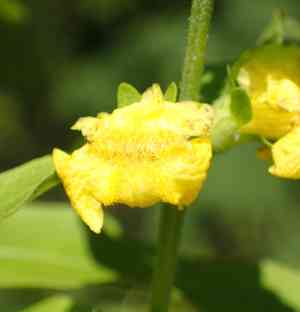
Mullein foxglove (Dasistoma macrophylla)
Also known as: Mullein foxglove
Mullein foxglove (Dasistoma macrophylla) is predominantly found in the central and eastern United States, including states like Missouri, Illinois, Indiana, and Kentucky. It thrives in open woods and prairies and can sometimes be seen in gardens. In some regions, its populations are considered threatened.
In This Article
Attributes of Mullein foxglove
Lifespan
Annual
Plant Type
Herb
Plant Height
61 cm to 1.8 m
Spread
30 cm
Leaf Color
Green
Flower Size
2-4 cm (0.8-1.6 inches)
Flower Color
Yellow
Images of Mullein foxglove
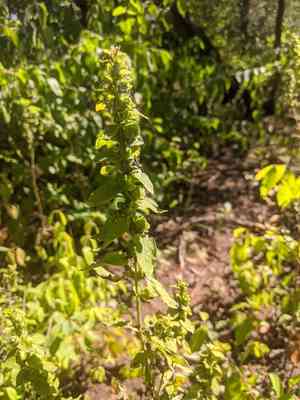
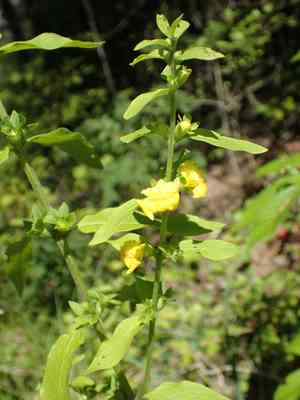
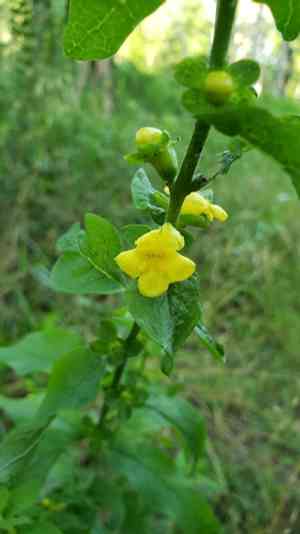
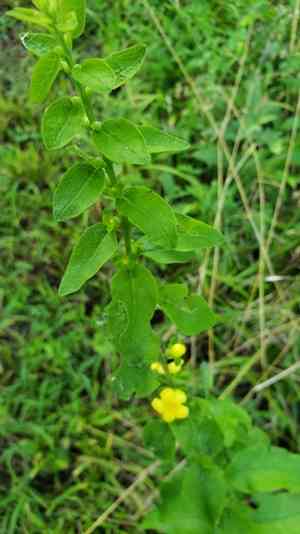
Quickly Identify Mullein foxglove
1
Look for a tall plant with hairy stems, large woolly leaves, and spikes of yellow to orange tubular flowers. The leaves are usually lance-shaped and covered in fine hairs.
Scientific Classification of Mullein foxglove
Phylum
Vascular plants
Class
Dicotyledons
Order
Lamiales
Family
Broomrape
Genus
Mullein foxgloves
Species
Mullein foxglove
Planting and Growing of Mullein foxglove
Care Difficulty
Easy
Watering Schedule
Every 3 days
Sunlight Requirements
Partial sun
Sunshine Duration
6-10 hours
Ideal Temperature
65-75℉
Soil Type
Potting Mix, Peat Mix
Soil pH
6.5-7.5
Fertilizer Type
Balanced
Pruning Season
Spring, Summer
Pruning Area
Branches, Leaves
Pruning Frequency
2 times a year
Repotting Season
Spring
Pot Type
Plastic, Terracotta
 How to Water Mullein foxglove?
For Dasistoma macrophylla, maintaining consistent soil moisture is key to its health. Each watering should adequately saturate the soil but ensure it's well-drained to avoid pooling water. Typically, 500 milliliters suffice, balancing between generous and cautious to keep roots hydrated without drowning them.
What are the symptoms of an underwatered Mullein foxglove?
›
What should I do if my Mullein foxglove is not getting enough water?
›
What are the symptoms of an overwatered Mullein foxglove?
›
How to save an overwatered Mullein foxglove?
›
 What Are the Sunlight Requirements for Mullein foxglove?
Dasistoma macrophylla thrives in partial sun environments, benefiting from moderate light levels. Adequate light helps it maintain healthy, green foliage and supports balanced growth and flowering cycles.
What is the best light level for Dasistoma macrophylla?
›
How can I maintain ideal lighting for this plant?
›
What benefits does ideal lighting provide to the plant?
›
 What Is the Ideal Temperature Range for Mullein foxglove?
For Dasistoma macrophylla, the ideal temperature range for optimal growth is between 65°F and 75°F. This range ensures that the plant can photosynthesize efficiently, maintain healthy cellular functions, and avoid heat stress. It's crucial to maintain these temperatures to support robust growth and blooming cycles.
 What Soil is Best for Mullein foxglove?
Dasistoma macrophylla thrives in soils that allow excess water to drain efficiently. Well-draining soil prevents root rot by avoiding waterlogging, ensuring the plant’s roots get both moisture and oxygen. The plant prefers a soil enriched with nutrients to support its growth. Nutrient-rich substrates provide essential minerals and organic matter, promoting robust foliage and vibrant blooms. Maintaining moderate moisture levels in the soil is crucial for the health of Dasistoma macrophylla. Consistent moisture supports metabolic functions and ensures the plant remains hydrated, especially in warmer climates.
 How to Fertilize Mullein foxglove?
For Dasistoma macrophylla, the fertilizer amount should be moderate, as excessive amounts can harm the plant's roots. Use a balanced 10-10-10 or 20-20-20 NPK fertilizer at half strength during the growing season to ensure the plant receives adequate nutrients without overwhelming it.
 How to Prune Mullein foxglove?
Begin by inspecting the plant for any dead or diseased branches. Use a pair of sharp, sterilized pruning shears to cut these parts off at the base, ensuring not to damage the healthy sections. Next, thin out areas that appear too dense by selectively pruning smaller branches to allow better airflow. Lastly, shape the plant by trimming excessive growth unevenly, aiming for a natural look. Regularly dispose of trimmed parts to avoid disease spread.
More About Pruning Techniques→
 How to Propagate Mullein foxglove plant?
1
Collect seeds from mature Dasistoma macrophylla in late summer or autumn. Clean and dry the seeds properly to prepare them for sowing. Optionally, stratify the seeds in a refrigerator for several weeks to break dormancy.
2
Fill the seed tray with sterile potting mix. Sow the seeds evenly across the surface and cover lightly with a thin layer of soil. Water gently to avoid displacing the seeds and ensure consistent moisture.
3
Place the seed tray in a location with bright indirect light and maintain a temperature between 20-25°C (68-77°F). Keep the soil consistently moist but not waterlogged until germination occurs, typically in a couple of weeks.
 How to Repot Mullein foxglove plant?
1
Dasistoma macrophylla typically shows signs it's time for repotting when you observe roots poking through the drainage holes or the growth appears stunted. Additionally, if the soil dries out very quickly after watering, it might indicate the plant has outgrown its pot.
2
Select a pot that is one size larger than the current one, which allows ample space for root expansion. Ensure it has good drainage holes to prevent waterlogging, which can lead to root rot. A slightly larger pot promotes healthier growth by accommodating the plant's growth needs.
3
Choose a well-draining potting mix to avoid water retention issues. A mix containing perlite or sand provides excellent aeration, promoting root health and preventing compaction. This type of soil facilitates robust growth by allowing the roots to breathe better.
Learn More About Mullein foxglove Diseases
Anthracnose
Bacterial Leaf Spot
Bacterial Soft Rot
Bacterial Wilt
Black Spot
Chemical Injury
Crown Gall
Cyst Nematode
Damping-off
Downy Mildew
Drought Stress
Fusarium Wilt
Gray Mold
Leaf Curl
Leaf Spot
Mosaic
Nutrient Deficiency
Nutrient Toxicity
Powdery Mildew
Root Rot
Root-knot Nematode
Rusts
Sooty Mold
Spider Mites
Temperature Stress
Thrips Damage
White Mold



