How to Propagate Mullein foxglove?
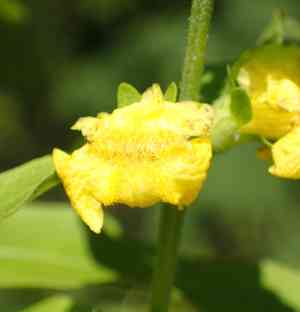
Verbascum phoeniceum is a unique perennial that flourishes in soil with good drainage. To achieve effective propagation, plant newly harvested seeds in a cold frame immediately after maturation. Lightly scattering them on the surface, due to their requirement for light to sprout, may enhance germination success. Continuously damp soil, preventing deep seed placement, and perseverance are vital, as sprouting can take time. When the young plants are sufficiently developed to manage, transfer them into separate containers. Gradual adaptation to external environments is essential prior to permanent outdoor placement.
Optimal Time for Mullein Foxglove Propagation
Propagation Method
Seeding
Propagation Period
Spring
Tools for Mullein Foxglove Propagation
Seed trays
Seed trays are shallow containers for indoor seed starting, providing controlled environmental conditions. They are vital for mullein foxglove to evenly distribute small seeds and maintain adequate soil moisture without waterlogging, crucial during germination.
Fine-grained soil mix
A fine-grained, well-draining soil mix is essential for mullein foxglove propagation. This soil type ensures good aeration and prevents water retention, which can cause root rot or fungal diseases. It also supports delicate seedling roots as they grow.
Misting bottle
A misting bottle offers a gentle way to water mullein foxglove seeds without disturbing the soil or displacing them. Regular misting keeps the soil moist for germination, while preventing over-watering that could harm the seeds.
Heat mat
A heat mat gently warms the soil, promoting quicker and more consistent seed germination. This benefits mullein foxglove, as it requires a stable and slightly warmer soil temperature to boost germination rates and overall seedling health.
Grow lights
If starting mullein foxglove seeds indoors or in low light, grow lights provide the necessary light spectrum for healthy plant growth. These lights mimic natural sunlight, encouraging stronger seedling development when natural light is insufficient.
Mullein Foxglove Propagation Guide
Propagation Difficulty
Simple
Post-Propagation Care for Mullein Foxglove
Post-Propagation Care for Mullein Foxglove
After propagation, consistently water mullein foxglove, especially during extended dry periods, as steady moisture is vital for its development. Apply mulch around plants to help retain soil moisture and suppress weeds. Lightly fertilize each spring with a balanced, slow-release fertilizer to promote healthy foliage and blooms. Monitor for pests or fungal issues, treating them promptly with suitable organic methods. As mullein foxglove is a biennial, allow some plants to self-seed to ensure continuous garden presence.
Common Errors to Avoid When Propagating Mullein Foxglove
Overwatering
Excessive water can lead to root rot in mullein foxglove, especially since this species is sensitive to overly moist conditions. Saturated soil deprives roots of essential oxygen and encourages fungal growth.
Using unsterilized tools
Cutting mullein foxglove with unclean tools can introduce pathogens, causing infections and poor health in propagated plants. This error can significantly reduce the survival rate of new cuttings or seedlings.
Ignoring soil composition
Using an unsuitable soil mix can impede the rooting and growth of mullein foxglove. Soil that is too dense or nutritionally unbalanced can hinder root development and nutrient absorption, which are crucial for successful propagation.
Advice for Propagating Mullein Foxglove
Proper hydration
Ensure mullein foxglove is adequately hydrated but not waterlogged. A well-draining soil mix helps maintain the ideal moisture balance necessary for root development.
Sterilize propagation tools
Always use clean, sterilized cutting tools when taking mullein foxglove cuttings. This precaution helps prevent disease transmission, ensuring healthier propagation material.
Opt for semi-hardwood cuttings
When propagating mullein foxglove from cuttings, semi-hardwood material is ideal. These are generally more resilient and have a higher rooting success rate compared to softer, greener cuttings.



