How to Prune Spurge-olive?
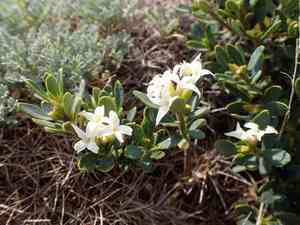
A robust, perennial shrub originating from stony landscapes, 'spurge-olive' flourishes with little upkeep. Essential trimming methods include excising lifeless or ailing wood and reducing dense branches to enhance airflow. The best periods for pruning are late winter or early spring, right before fresh shoots emerge. Consistent trimming boosts 'spurge-olive's resilience and bloom capacity, lowers its vulnerability to illness, and fosters a dense, appealing structure. Concentrate on preserving its inherent shape while guaranteeing sufficient light and air penetrate the inner branches.
Advantages of Trimming Spurge-olive
Advantages of Trimming Spurge-olive
Trimming spurge-olive encourages robust development and maintains its desired form. Consistent cutting helps revitalize the plant, ensuring dense and vibrant foliage, which boosts its aesthetic appeal and overall health.
Optimal Period for Pruning Spurge-olive
Optimal Period for Pruning Spurge-olive
Pruning spurge-olive in late winter or early spring is ideal, just before the growth season begins, allowing the plant to recover and reallocate energy to new growth efficiently. This timing minimizes stress on spurge-olive, ensuring it has the vitality to produce strong foliage and blooms in subsequent months. Furthermore, pruning prior to the spring growth surge helps maintain a desirable shape and prevents the removal of new buds, which are vital for that year's flowering and fruiting.
Essential Tools for Pruning Spurge-olive
Bypass Pruners
Perfect for making clean, precise cuts on spurge-olive's relatively slender stems, bypass pruners help prevent damage to plant tissue, encouraging healthier regrowth.
Pruning Saw
Useful for removing thicker, older branches that bypass pruners cannot manage, ensuring spurge-olive maintains a healthy structure without undue stress on smaller stems.
Garden Scissors
Excellent for shaping and refining spurge-olive's appearance by trimming small, delicate branches and leaves, allowing for detailed work without harming the plant.
Long-handled Loppers
Recommended for reaching deeper or higher branches on spurge-olive, providing the leverage needed to make clean cuts on moderately thick branches while minimizing harm to the plant's overall structure.
How to Prune Spurge-olive
Sanitize
Before pruning spurge-olive, disinfect all pruning tools using either a solution of one part bleach to nine parts water or rubbing alcohol. This is crucial to prevent the spread of diseases between plants.
Identify
Carefully inspect spurge-olive for the specific areas requiring attention. Pinpoint all diseased leaves, withered leaves, dead branches, and infected branches. Use physical characteristics such as discoloration, dryness, or visible signs of infection to locate these areas.
Cut Diseased Leaves
Using the sterilized pruning shears, begin by trimming away all diseased leaves. Ensure cuts are made close to the base of each leaf, but avoid damaging healthy tissue and nearby stems.
Trim Withered Leaves
Remove withered leaves that are often dry and crumpled. These leaves are not contributing to spurge-olive's health or aesthetics and can be gently plucked or cut off if firmly attached.
Remove Branches
Prune dead and diseased branches by making clean cuts at a 45-degree angle just above a healthy node or junction. This angle promotes water runoff and reduces the risk of disease accumulation. This step improves airflow and light penetration, encouraging healthier growth.
Common Pruning Errors with Spurge-olive
Over-Pruning
Removing too much foliage at once can significantly stress spurge-olive, leading to stunted growth and reduced flowering.
Incorrect Cuts
Making improper or rough cuts can damage spurge-olive's delicate branches, increasing susceptibility to diseases and pests.
Topping
Cutting off the top of the plant disrupts spurge-olive's natural growth patterns, potentially leading to weak and unsightly growth.
Pruning at the wrong time
While time specifics are excluded, it's crucial to avoid pruning spurge-olive when the plant is not in a state to effectively heal.
Neglecting Tool Maintenance
Using dull or dirty pruning tools can lead to jagged cuts that harm spurge-olive and introduce pathogens.
General Pruning Advice for Spurge-olive
Proper Tool Use
Utilize sharp and clean pruning shears to ensure clean cuts that heal quickly, reducing stress on spurge-olive.
Selective Pruning
Focus on removing only dead, diseased, or over-crossing branches to enhance spurge-olive's shape and promote healthier growth.
Maintain Natural Shape
Aim to retain the natural architecture of spurge-olive by pruning in a way that follows the plant's inherent form, avoiding an over-manicured appearance.
Moderate Pruning
Engage in moderation when pruning spurge-olive, removing no more than one-third of the total foliage during a single session.
Visual Inspection
Regularly assess spurge-olive before pruning to identify any specific needs such as diseased branches or unbalanced growth, tailoring the pruning to address these issues.



