The Spurge-olive Plant Advantage: Maximizing Home and Office Appeal and Wellness
1
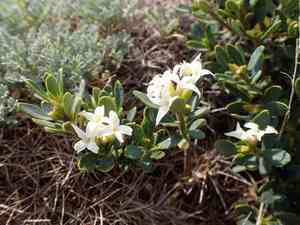
Spurge-olive is recognized for its lovely fragrant blossoms that improve garden beauty.
2
This plant flourishes in tough conditions, making it a resilient addition to any garden.
3
Spurge-olive offers vital shelter and sustenance for diverse pollinators, boosting biodiversity.
What Are the Primary Advantages of Spurge-olive?
Visual Allure
A prominent characteristic of Spurge-olive is its visual appeal. The plant showcases wonderfully fragrant blossoms that can brighten any garden with their vivid hues and pleasant scent. This aesthetic charm is enhanced by the plant's evergreen quality, ensuring your garden remains vibrant and appealing throughout the year.
Resilience and Adaptability
Spurge-olive is renowned for its toughness and capacity to flourish in challenging environments. It can adjust to diverse soil types and endure harsh weather conditions, making it an excellent option for gardeners in difficult climates. This flexibility ensures the plant stays healthy and strong, reducing the need for extensive upkeep.
How Does Spurge-olive Support Biodiversity?
Pollinator Support
Spurge-olive plays a vital role in sustaining local wildlife, especially pollinators like bees and butterflies. The plant's flowers offer essential nectar and pollen, helping to nourish these crucial creatures. By drawing pollinators to your garden, Spurge-olive indirectly supports the wider ecosystem, fostering plant reproduction and the overall health of your garden.
Habitat Provision
Beyond pollinators, Spurge-olive also provides refuge and shelter for other small animals. Its dense foliage offers a safe haven for various insects and small creatures, contributing to your garden's biodiversity. This increased diversity can create a more balanced and robust ecosystem, enhancing the natural beauty and health of your outdoor space.
Can Spurge-olive Improve Soil Health?
Erosion Prevention
The strong root system of Spurge-olive is highly effective in preventing soil erosion. By stabilizing the soil, the plant stops the loss of topsoil, which is rich in nutrients vital for plant growth. This erosion control function is particularly beneficial in sloped or hilly areas where soil erosion can be a significant problem.
Soil Enrichment
In addition to preventing erosion, Spurge-olive also contributes to soil health through the organic matter it returns to the soil. As the plant sheds its leaves and other organic material, it decomposes and enriches the soil with essential nutrients. This natural process boosts soil fertility, promoting the healthy growth of nearby plants.
Why Select Spurge-olive for Your Garden?
Low Maintenance
A significant benefit of Spurge-olive is its minimal maintenance requirements. The plant's robust nature means it needs little care once established. This low-maintenance characteristic makes it an ideal choice for busy gardeners or those who prefer a more natural, unmanaged garden aesthetic.
Versatility in Garden Design
Spurge-olive is remarkably adaptable and can be integrated into various garden designs. Whether you aim to create a formal garden, a natural landscape, or a wildlife-friendly habitat, Spurge-olive can play a central role. Its blend of beauty, hardiness, and ecological benefits makes it a valuable addition to any garden setting.
How to Cultivate and Care for Spurge-olive?
Planting Advice
When planting Spurge-olive, select a location that receives full sun to partial shade. The plant prefers well-drained soil, so ensure the planting site does not retain water for extended periods. Dig a hole twice the width of the plant's root ball and equally deep, then place the plant in the hole, covering the roots with soil and watering thoroughly.
Ongoing Care
Spurge-olive requires minimal ongoing care once planted. Water the plant regularly during its first year to establish a strong root system. Afterward, it can endure periods of drought, only needing supplementary water during prolonged dry spells. Prune the plant occasionally to maintain its shape and remove any dead or damaged branches, encouraging healthy growth.



