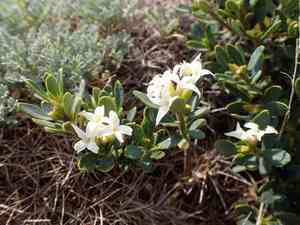
Spurge-olive (Daphne oleoides)
The shrub is evergreen, and grows up to 60 cm tall. Its branches grow upright. Its flowers are white, with a purplish outside and it bears orange fruits. It is often found on calcareous rocks and rocky slopes at altitudes of 1700 to 2300 m.
In This Article
Attributes of Spurge-olive
Lifespan
Perennial
Plant Type
Shrub
Plant Height
30 to 60 cm
Spread
30 to 50 cm
Leaf Color
Green
Flower Size
1 cm
Flower Color
White Pink Cream
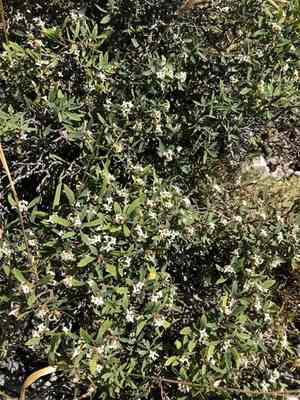
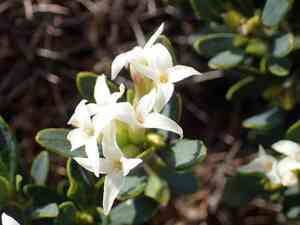
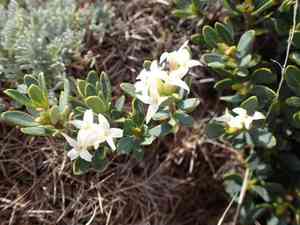
Images of Spurge-olive
Quickly Identify Spurge-olive
1
To identify Daphne oleoides, look for a small shrub with leathery, olive-like leaves. The leaves are typically 2 to 4 cm long, dark green on the upper side and lighter green underneath. The flowers are usually small, about 1 cm in diameter, and appear in clusters. They are white or pale pink and have a strong fragrance. The fruit is a small red berry-like drupe.
Scientific Classification of Spurge-olive
Phylum
Vascular plants
Class
Dicotyledons
Order
Malvales
Family
Mezereum
Genus
Daphnes
Species
Spurge-olive
Planting and Growing of Spurge-olive
Care Difficulty
Hard
Watering Schedule
Every 2 days
Sunlight Requirements
Full sun
Sunshine Duration
4-8 hours
Ideal Temperature
60-75℉
Soil Type
Potting Mix, Peat Mix
Soil pH
6.5-7.5
Fertilizer Type
Balanced
Pruning Season
Spring, Summer
Pruning Area
Branches, Leaves
Pruning Frequency
Once a year
Repotting Season
Spring
Pot Type
Plastic, Ceramic
 How to Water Spurge-olive?
For Daphne oleoides, it's essential to ensure the soil is moist but not waterlogged. Each watering session should supply approximately 250ml of water, reaching down to the roots without pooling on the soil's surface. Observe the drainage to confirm water reaches the root level, encouraging healthy growth.
What are the symptoms of an underwatered Spurge-olive?
›
What should I do if my Spurge-olive is not getting enough water?
›
What are the symptoms of an overwatered Spurge-olive?
›
How to save an overwatered Spurge-olive?
›
 What Are the Sunlight Requirements for Spurge-olive?
Daphne oleoides thrives best with partial to full sun exposure. This ideal light range increases photosynthesis rates, supporting healthy leaf growth and vibrant blooms. Consistent sun promotes robust development and maximizes flowering potential.
Ideal Light Duration
›
Avoid Overexposure
›
Consistent Light Source
›
 What Is the Ideal Temperature Range for Spurge-olive?
The ideal temperature range for cultivating Daphne oleoides lies between 60°F and 75°F. This range ensures that the plant can perform vital physiological processes efficiently, such as photosynthesis and transpiration, promoting robust growth and flowering. Maintaining this temperature range also prevents stress responses that can be triggered by temperature extremes.
 What Soil is Best for Spurge-olive?
Daphne oleoides thrives in well-drained soils, preventing root rot caused by stagnant water. This requirement ensures the plant's roots are aerated, promoting healthy growth and vibrant foliage. The plant prefers soils with moderate fertility, balancing nutrient availability without overwhelming the roots. This condition allows for sustainable growth and prevents nutrient burn. Daphne oleoides benefits from rocky substrates, which mimic its natural alpine habitat, offering stability and ensuring proper drainage of excess moisture.
 How to Fertilize Spurge-olive?
For Daphne oleoides, the amount of fertilizer should be modest. This plant thrives well without heavy feeding. Use a balanced, slow-release granular fertilizer applying about 50 grams per square meter for established plants. Avoid going overboard, as excessive nutrients can harm its delicate root system.
 How to Prune Spurge-olive?
Start by inspecting your Daphne oleoides for any dead, damaged, or diseased branches. Removing these will prevent pests and diseases from spreading and improve air circulation in the plant. After removing unhealthy wood, shape the plant by trimming back any overgrown or unruly branches. This will encourage a more aesthetically pleasing form and bolster overall health. Focus on promoting new growth by pruning branches slightly above a leaf node. This technique will encourage branching and result in a fuller, more robust shrub.
More About Pruning Techniques→
 How to Propagate Spurge-olive plant?
1
Choose cuttings from healthy, disease-free plants. The ideal cutting should be around 10-15 cm in length with several leaves attached. Avoid flowering stems as they are less likely to root successfully.
2
Remove any flowers or buds and trim the leaves to reduce transpiration. Dip the cut end into rooting hormone to promote root development and increase the likelihood of successful propagation.
3
Prepare a well-draining propagation mix and insert cuttings into the medium, ensuring at least half of the cutting is buried. Water lightly and cover with a plastic bag to maintain humidity.
 How to Repot Spurge-olive plant?
1
You should consider repotting Daphne oleoides when you notice roots emerging from the drainage holes, the plant looks stunted, or the potting mix degrades. These signals indicate that the plant needs more space or fresh soil to thrive.
2
Choose a pot that is about 2 inches larger in diameter than the current one. Ensure it has adequate drainage holes to prevent waterlogging, which can lead to root rot. Terracotta pots are a good choice as they allow excess moisture to evaporate, keeping the roots healthy.
3
Opt for a well-draining loamy mix that contains peat, perlite, and sand. This mix provides the necessary drainage to prevent water retention, while still offering enough moisture retention for the roots to absorb needed nutrients.
Toxicity
Ingestion, Skin Contact
WARNING
The judgment on toxicity and danger is for reference only. We DO NOT GUARANTEE any accuracy of such judgment. Therefore, you SHALL NOT rely on such judgment. It is IMPORTANT TO SEEK PROFESSIONAL ADVICE in advance when necessary.
Learn More About Spurge-olive Diseases
Anthracnose
Bacterial Leaf Spot
Bacterial Soft Rot
Bacterial Wilt
Black Spot
Chemical Injury
Crown Gall
Damping-off
Downy Mildew
Drought Stress
Fusarium Wilt
Gray Mold
Leaf Curl
Leaf Spot
Mosaic
Nutrient Deficiency
Nutrient Toxicity
Powdery Mildew
Root Rot
Root-knot Nematode
Rusts
Sooty Mold
Spider Mites
Temperature Stress
Thrips Damage
White Mold



