How to Prune Cytisus decumbens?
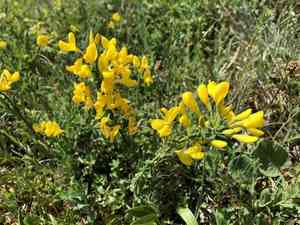
Cytisus decumbens is a prostrate, blossoming bush, ideal for covering ground. Efficient trimming ought to concentrate on eliminating deceased or excessively long branches in the early spring or late winter to encourage robust development and improve flower production. This timely cutting guarantees the plant retains its dense form and facilitates strong flowering periods. Consistent pruning also stops cytisus decumbens from becoming woody and thin, which is vital for its function as a ground cover.
Why Prune Cytisus Decumbens?
Why Prune Cytisus Decumbens?
Trimming cytisus decumbens is vital for maintaining its compact, full form and encouraging robust development. Strategic cutting back revitalizes the plant, leading to a more controlled and visually appealing shape.
Optimal Pruning Period for Cytisus Decumbens
Optimal Pruning Period for Cytisus Decumbens
Late winter and early spring are ideal for pruning cytisus decumbens, preparing it for vigorous growth in the coming season. Trimming then minimizes plant stress, allowing cuts to heal before active growth begins. Pruning prior to the spring growth spurt ensures the plant's energy is directed toward producing new, healthy shoots, which can enhance flowering. Additionally, removing dead or overgrown branches at this time helps prevent diseases and improves sunlight penetration and air circulation within the plant.
Essential Tools for Pruning Cytisus Decumbens
Hand Pruners
These are perfect for making precise cuts on cytisus decumbens, which typically has thinner, more delicate stems. Hand pruners allow for clean, close cuts that promote healthier regrowth.
Pruning Saw
For older or woodier parts of cytisus decumbens, a sharp pruning saw is suitable. It helps manage thicker branches that hand pruners cannot handle, ensuring clean cuts without harming the plant.
Lopping Shears
These are useful for reaching into denser, harder-to-access areas of cytisus decumbens without damaging the plant or the gardener. They provide the necessary leverage to efficiently prune slightly thicker branches.
How to Prune Cytisus Decumbens
Identify
Locate diseased and withered leaves on cytisus decumbens, differentiating them from healthy growth to ensure only necessary parts are removed.
Prepare
Ready clean and sharp pruning tools to prevent disease spread and ensure precise cuts on cytisus decumbens.
Trim
Carefully remove identified diseased and withered leaves at their base where they meet the main stem or a healthy section, avoiding damage to healthy tissues.
Dispose
Properly discard removed leaves from cytisus decumbens to prevent any disease from spreading in the garden.
Inspect
After trimming, perform a final check of cytisus decumbens to ensure healthy growth is not compromised and no additional diseased leaves remain.
Common Pruning Errors with Cytisus Decumbens
Overpruning
A frequent mistake is removing too much growth in one session, which can stress cytisus decumbens and reduce its vigor. This plant generally does not respond well to severe, extensive cuts.
Incorrect cut placement
Cutting cytisus decumbens at improper locations on branches can lead to damage and poor regrowth. It's crucial to make cuts just above buds and avoid cutting into old, woody stems that may not regenerate.
Neglecting tool hygiene
Using dirty tools can introduce diseases to cytisus decumbens, especially if previously used on infected plants. Always clean and disinfect pruning tools before use.
General Pruning Advice for Cytisus Decumbens
Selective pruning
Prune cytisus decumbens selectively to remove dead or weak stems, which aids in promoting healthy growth and flowering. Focus on thinning out dense areas to increase light penetration and air circulation within the plant.
Timing of cuts
Though the document excludes details on the best season, it's crucial to prune at times that coincide with the plant's growth cycles to avoid disrupting flowering.
Encouraging blooms
To encourage abundant blooming, trim back the previous year's growth slightly. This method will stimulate cytisus decumbens to produce more flower buds.
Use sharp tools
Always use sharp, clean pruning shears or scissors to make clean cuts. Ragged cuts made by blunt tools can harm cytisus decumbens and make it more susceptible to pests and diseases.



