The Cytisus decumbens Plant Advantage: Maximizing Home and Office Appeal and Wellness
1
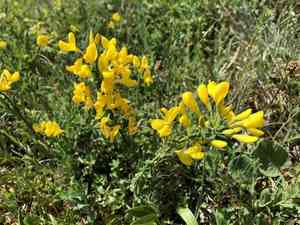
Cytisus decumbens is an easy-care plant perfect for covering ground.
2
It's great for drawing in pollinators such as bees and butterflies.
3
Cytisus decumbens enhances soil health through nitrogen fixation.
Why Cytisus decumbens Excels as Ground Cover
Minimal Upkeep
A key advantage of Cytisus decumbens is its minimal care requirements. Unlike other ground cover species that demand frequent watering, pruning, or specific attention, Cytisus decumbens flourishes with little intervention. Its capacity to thrive in diverse soil types and climates makes it an excellent option for gardeners aiming to cover large areas with minimal effort. Simply plant, water occasionally, and observe its spread and growth with hardly any oversight.
Efficient Spreading Growth
Another compelling reason to consider Cytisus decumbens for ground cover is its effective growth pattern. This plant possesses a robust root system, enabling it to rapidly cover extensive areas. Its trailing stems root at the nodes, aiding in the formation of a dense mat that can suppress weeds and prevent soil erosion. This makes Cytisus decumbens not only visually appealing but also a practical choice for preserving the health and integrity of your soil.
How Cytisus decumbens Benefits Pollinators
Appealing to Bees and Butterflies
Cytisus decumbens is particularly attractive to pollinators such as bees and butterflies, which are vital for a healthy ecosystem. The plant's vibrant, tubular blossoms are rich in nectar, offering a crucial food source for these beneficial insects. By integrating Cytisus decumbens into your garden, you're not only enhancing your landscape but also supporting local pollinator populations, which in turn, assist in the pollination of other garden plants.
Fosters Biodiversity
Furthermore, Cytisus decumbens promotes biodiversity by providing habitat and sustenance for various insects and small creatures. This increased diversity can contribute to a more balanced and resilient garden ecosystem. Diverse ecosystems are generally more stable and better equipped to withstand environmental stresses, ensuring a healthy and flourishing garden throughout the seasons.
The Role of Cytisus decumbens in Soil Improvement
Nitrogen Fixation
One of the less recognized advantages of Cytisus decumbens is its capacity to fix nitrogen in the soil. This plant forms a symbiotic relationship with nitrogen-fixing bacteria in its root nodules, which convert atmospheric nitrogen into a usable form for plants. This process enriches the soil with nitrogen, reducing the need for chemical fertilizers and fostering healthier plant development.
Erosion Control
Additionally, Cytisus decumbens plays a significant role in preventing soil erosion. Its extensive root system helps to bind the soil, lessening erosion and runoff. This is especially beneficial in areas prone to heavy rainfall or on slopes where soil erosion can be a major concern. By stabilizing the soil, Cytisus decumbens not only preserves the landscape but also helps maintain soil fertility and structure.
Integrating Cytisus decumbens into Your Garden
Planting Advice
When adding Cytisus decumbens to your garden, it's crucial to begin with healthy, disease-free specimens. Select a site with well-drained soil and ample sunlight, though Cytisus decumbens adapts well to various soil conditions. Space the plants according to their growth habit to allow for natural spreading and the creation of a dense ground cover.
Care Guidelines
Despite its low-maintenance nature, occasional care can help Cytisus decumbens thrive. Periodically inspect for pests and diseases, although this plant is quite resistant to most common garden issues. Prune any overgrown stems to encourage denser growth and remove any weeds that might compete with Cytisus decumbens for nutrients and space. With these simple steps, your Cytisus decumbens plants will continue to offer numerous benefits to your garden.



