How to Prune Reeves' bladderfern?
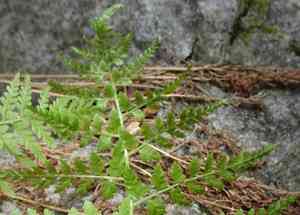
Reeves' bladderfern is a fragile fern distinguished by its intricately divided leaves. For peak well-being, perform pruning in early spring or late winter. Snip off aged, discolored fronds to stimulate fresh development and enhance air movement. Refrain from severing the plant's crown. Consistent elimination of deceased or injured fronds aids in averting ailments and fostering a more robust plant. Adjusting pruning to these periods boosts growth and sustains the plant's vitality.
Advantages of Trimming Reeves' Bladderfern
Advantages of Trimming Reeves' Bladderfern
Trimming reeves' bladderfern encourages robust development and maintains its form, ensuring strong health and optimal look. Eliminating dead or damaged fronds also prevents illness and pest infestations, supporting a resilient and attractive plant.
Optimal Period for Trimming Reeves' Bladderfern
Optimal Period for Trimming Reeves' Bladderfern
The ideal seasons for trimming reeves' bladderfern are early spring and late winter. During these periods, the plant is still dormant or just beginning to emerge from dormancy, which minimizes stress and promotes healthy regrowth. Additionally, trimming in early spring or late winter helps ensure that the plant has sufficient energy reserves to recover and flourish, while also reducing the risk of disease and pest infestations, which are less common during these cooler months.
Necessary Tools for Trimming Reeves' Bladderfern
Hand Pruners
Hand pruners are perfect for removing dead or damaged fronds from reeves' bladderfern. Their precision helps avoid unnecessary harm to the plant.
Small Scissors
Small scissors can be useful for more detailed trimming, especially when dealing with delicate new growth or small fronds on reeves' bladderfern. They offer better control for intricate tasks.
Bypass Pruners
Bypass pruners are suitable for handling slightly thicker stems or fronds. Their scissor-like action ensures a clean cut, which is vital for the health of reeves' bladderfern.
Garden Gloves
While not a cutting tool, garden gloves are essential for protecting your hands while handling reeves' bladderfern. They will help in preventing damage to both the plant and the gardener.
How to Trim Reeves' Bladderfern
Inspection
Carefully examine the plant for any indications of disease or wilting. Focus on leaves that are discolored, have spots, or are shriveled.
Disinfect
Before making any cuts, sanitize your pruners or scissors with a solution of one part bleach to nine parts water to prevent the spread of disease.
Remove diseased leaves
Cut off any diseased leaves at the point where they connect to the main stem or frond. Ensure clean cuts and avoid tearing the leaves.
Remove withered leaves
Trim away any withered leaves by cutting them at their base. Avoid damaging healthy fronds or stems surrounding the withered parts.
Dispose properly
Dispose of the removed diseased and withered leaves properly in a sealed bag or by burning. Do not compost diseased plant material to prevent contamination.
Common Trimming Errors with Reeves' Bladderfern
Incorrect Technique
A common error is using dull or unsuitable tools, which can cause jagged cuts and harm the plant. Always use sharp, clean tools to make precise cuts.
Excessive Trimming
Gardening enthusiasts, especially beginners, might trim too much of the plant at once. This can stress reeves' bladderfern and hinder its growth. Avoid removing more than one-third of the plant at a time.
Trimming at the Wrong Time
While the best season for trimming is not discussed here, performing trimming tasks during extreme weather conditions (e.g., very hot or cold days) can negatively affect reeves' bladderfern. Ensure weather conditions are optimal to prevent unnecessary stress on the plant.
General Trimming Advice for Reeves' Bladderfern
Use Sharp Tools
Ensure your pruning shears or scissors are sharp to make clean cuts. This reduces the risk of tearing or damaging the fronds, which can lead to disease.
Focus on Dead or Damaged Fronds
Prioritize the removal of dead, yellowing, or damaged fronds. This redirects the plant's energy to healthier parts, promoting overall vigor.
Clean Between Cuts
Dip your tools in a mild bleach solution (1 part bleach to 10 parts water) between cuts to prevent the spread of disease.
Cut at the Base
When removing a frond, cut it down to the base of reeves' bladderfern to promote new growth and maintain a tidy appearance.
Monitor New Growth
Regularly check reeves' bladderfern for new growth and only prune as necessary, ensuring you donât stunt its development by over-pruning.



