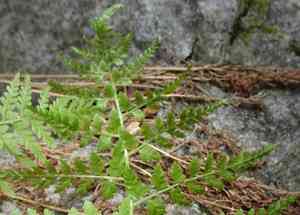
Reeves' bladderfern (Cystopteris reevesiana)
Also known as: Reeves' bladder-fern
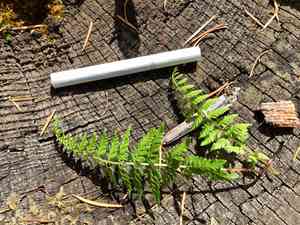
Reeves' bladderfern (Cystopteris reevesiana) is a dainty fern recognized for its intricate, airy fronds. This plant thrives in the protection of damp, shaded rock crevices and forested areas. Its pinnate leaves, which emerge in the spring, give it a soft, feathery look. The fern's compact stature and gently curving fronds make it a standout in its tranquil, woodland environments.
In This Article
Attributes of Reeves' bladderfern
Lifespan
Perennial
Plant Type
Fern
Plant Height
10-30 cm
Spread
Typically forms clumps up to 30 cm in diameter
Leaf Color
Light green
Flower Size
Does not produce flowers
Flower Color
N/A
Images of Reeves' bladderfern
Quickly Identify Reeves' bladderfern
1
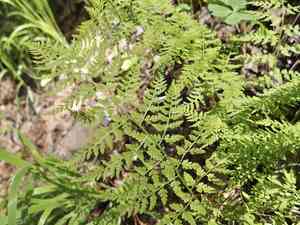
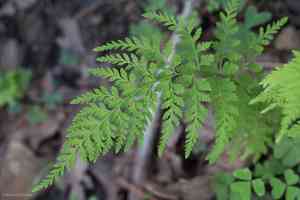
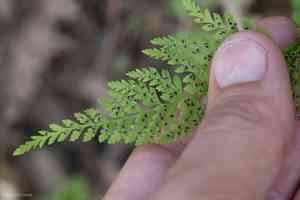
To identify Cystopteris reevesiana, look for its fine, light-green fronds that are highly divided and delicate. The leaf segments are thin and finely toothed, and the sori (spore-producing structures) are covered by a small, bladder-like indusium.
Scientific Classification of Reeves' bladderfern
Phylum
Vascular plants
Class
Ferns
Order
Polypodiales
Family
Cystopteridaceae
Genus
Bladderferns
Species
Reeves' bladderfern
Planting and Growing of Reeves' bladderfern
Care Difficulty
Moderate
Watering Schedule
Every 2 days
Sunlight Requirements
Partial sun
Sunshine Duration
6-10 hours
Ideal Temperature
65-75℉
Soil Type
Potting Mix, Peat Mix
Soil pH
6.5-7.5
Fertilizer Type
Balanced
Pruning Season
Spring, Summer
Pruning Area
Branches, Leaves
Pruning Frequency
2 times a year
Repotting Season
Spring
Pot Type
Plastic, Ceramic
 How to Water Reeves' bladderfern?
For Cystopteris reevesiana, each watering should provide 250ml of water, ensuring that the soil is evenly moist but not waterlogged. The amount of water should saturate the soil thoroughly, allowing it to reach the root system without leaving excess water at the bottom of the pot.
What are the symptoms of an underwatered Reeves' bladderfern?
›
What should I do if my Reeves' bladderfern is not getting enough water?
›
What are the symptoms of an overwatered Reeves' bladderfern?
›
How to save an overwatered Reeves' bladderfern?
›
 What Are the Sunlight Requirements for Reeves' bladderfern?
This plant thrives in partial sun conditions. Ideal lighting supports lush growth, maintaining vibrant, healthy foliage. It ensures the fern is robust and less prone to stress and diseases.
What type of sunlight is best?
›
How can you achieve optimal lighting?
›
What benefits does ideal light provide?
›
 What Is the Ideal Temperature Range for Reeves' bladderfern?
Cystopteris reevesiana thrives best in temperatures ranging from 65°F to 75°F. This range ensures optimal growth and development, providing conditions that mimic its natural habitat. Consistently maintaining temperatures within this range allows the plant to perform essential physiological processes efficiently, promoting robust foliage and healthy growth.
 What Soil is Best for Reeves' bladderfern?
Cystopteris reevesiana thrives in soil that retains moisture without becoming waterlogged. Maintaining appropriate moisture levels ensures the plant's delicate fronds remain healthy and vibrant, providing an aesthetically pleasing appearance and robust growth. This fern benefits from a nutrient-rich environment afforded by loamy soil. Such soil types provide a steady supply of essential minerals, promoting overall plant health, vigorous growth, and a brighter leaf color. A well-draining soil prevents root rot by allowing excess water to drain efficiently. This ensures Cystopteris reevesiana maintains its health, resilience to diseases, and lowers the maintenance requirements.
 How to Fertilize Reeves' bladderfern?
Cystopteris reevesiana, known as Reeves' bladder fern, is a delicate plant that requires a gentle touch when it comes to fertilization. It thrives best with a balanced 20-20-20 fertilizer at half-strength to avoid overwhelming its root system, which can be sensitive to nutrient overload.
 How to Prune Reeves' bladderfern?
Before starting the pruning process, carefully examine the Cystopteris reevesiana to identify any dead or damaged fronds. This will guide you in determining which parts of the plant need the most attention. Use sharp, clean scissors or pruning shears to ensure precise cuts and prevent the spread of disease. Disinfect your tools before and after use to maintain plant health. Gently trim away dead or brown fronds at the base of the plant. Be cautious not to damage healthy fronds, as this could hinder the plant's growth and health. If the fern has become dense, trim back some of the healthy fronds to improve air circulation. Cut carefully, only removing what is necessary to shape the plant and avoid over-pruning. Collect all pruned fronds and stems and dispose of them properly to avoid attracting pests or diseases. Composting pruned material can be beneficial if the material is healthy.
More About Pruning Techniques→
 How to Propagate Reeves' bladderfern plant?
1
Choose a healthy, mature Cystopteris reevesiana plant that shows no signs of disease or pest infection. This ensures the divided sections have a greater chance of successful establishment.
2
Ensure that the soil where the divisions will be planted is well-draining and has been enriched with organic matter. Good soil preparation is crucial for the establishment of new divisions.
3
Gently dig up the entire plant and use your hands or a spade to carefully separate it into smaller sections, making sure each section has both roots and fronds. Handle with care to avoid damaging the root system.
 How to Repot Reeves' bladderfern plant?
1
Repot Cystopteris reevesiana during spring when new growth is visible. A clear sign is when roots begin circling the pot or growing through drainage holes, indicating the plant is seeking more space.
2
Choose a pot only slightly larger than the current one with ample drainage. Using a slightly larger pot prevents excessive soil, thus reducing root rot risk and encouraging robust root development.
3
Opt for a well-draining potting mix rich in organic matter. This ensures good aeration and moisture retention, allowing the fern to thrive while avoiding common issues like waterlogging.



