How to Propagate Reeves' bladderfern?
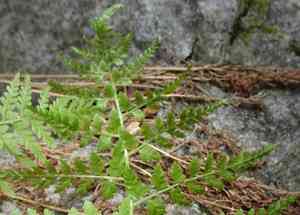
Cystopteris reevesiana is a fragile fern recognized for its elaborate foliage. Reproduction is most effectively accomplished by dividing the plant, making sure every segment possesses roots and a minimum of one leaf. Gently excavate around the specimen, detach the root masses, and transplant them into a shaded, damp setting. Sustained hydration and atmospheric moisture are vital for successful integration. Consult reliable gardening references for further advice.
What Is the Best Time To Propagate Reeves' Bladderfern?
Propagation Type
Splitting
Propagation Season
Spring,Autumn
What Tools Are Used in Reeves' Bladderfern Propagation?
Garden Spade
A sharp garden spade is crucial for carefully digging around and lifting reeves' bladderfern without harming its delicate root system. The spade's sharp edge ensures clean cuts, minimizing damage and promoting quicker recovery.
Hori Hori Knife
This versatile tool is useful for dividing the root ball of reeves' bladderfern. The Hori Hori knifeâs serrated edge allows for precise cuts through roots, which helps in preventing root tearing and ensures healthy divisions.
Garden Fork
A garden fork aids in gently loosening the soil around reeves' bladderfern, making it easier to lift the plant without causing root damage. Its prongs reduce soil compaction, which is particularly beneficial for delicate fern species.
Clean Pruners
Sharp, clean pruners are necessary for trimming away any damaged or dead fronds before and after division. This helps to reduce the risk of disease and promotes healthy new growth.
Watering Can with Fine Rose
A watering can with a fine rose attachment ensures that reeves' bladderfern receives gentle, even watering after division. The fine spray helps to avoid soil displacement and reduces the stress on newly divided plants.
Rooting Hormone
Applying a rooting hormone to the cut sections can promote quicker and healthier root development for reeves' bladderfern. This is especially beneficial in ensuring successful establishment after division.
Labeling Stakes
Using labeling stakes to mark each division helps in keeping track of the planting specifics and their progress. This ensures that each section of reeves' bladderfern receives appropriate care and monitoring.
Sterilized Soil Mix
A well-draining, sterilized soil mix is crucial for repotting the divisions of reeves' bladderfern to prevent fungal infections and promote optimal growth conditions.
How to Propagate Reeves' Bladderfern?
Propagation Type
Simple
How to Care for Your Newly Propagated Reeves' Bladderfern?
How to Care for Your Newly Propagated Reeves' Bladderfern?
After propagation, ensure reeves' bladderfern receives adequate shade, as direct sunlight can be too intense. Maintain consistent moisture in the soil, but avoid waterlogging. Mulch around the plants to help retain moisture and suppress weeds. Monitor for pests and diseases, and remove any damaged fronds to promote healthy growth. Regularly check the soil pH, as reeves' bladderfern prefers slightly acidic to neutral conditions. Fertilize sparingly, as over-fertilization can harm the delicate root structure.
Common Mistakes to Avoid When Propagating Reeves' Bladderfern
Overwatering
Excessive moisture can lead to root rot and fungal infections, which are detrimental to reeves' bladderfern's health and propagation success.
Improper Soil Mix
Using heavy or poorly-draining soil can suffocate roots and limit breathability, hindering the plant's development.
Inadequate Light
Insufficient light impedes photosynthesis and overall growth, making it difficult for reeves' bladderfern to establish strong roots and foliage.
Incorrect Humidity Levels
Ignoring the required humidity levels can cause the fern to dry out or develop malformed fronds, affecting propagation results.
Neglecting Sterilization
Using unsterilized tools or contaminated substrates can introduce pathogens, compromising the health of reeves' bladderfern and leading to failed propagation.
Tips For Propagating Reeves' Bladderfern
Use Well-Drained Soil
Ensure the soil mixture is light and offers excellent drainage to support healthy root development and prevent waterlogging.
Maintain Moderate Humidity
Provide an environment with adequate humidity using misting or a humidity tray to promote healthy frond and root growth.
Ensure Bright, Indirect Light
Position reeves' bladderfern in an area with bright but indirect light to facilitate optimal photosynthesis without risking sunburn.
Sterilize Tools and Substrates
Always use sterilized tools and clean substrates to minimize the risk of disease and ensure a healthy start for new plants.
Regularly Monitor Soil Moisture
Check soil moisture levels frequently to ensure it remains slightly moist but never soggy, adjusting watering as needed to prevent root issues.



