How to Prune Miniature flatsedge?
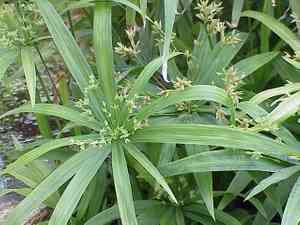
Given its unique, fine leaves and diminutive size, miniature flatsedge thrives best with trimming in early spring and during winter. Start by eliminating any lifeless or compromised stalks to encourage robust development. Cut back any excessively long sections to preserve its dense form. Consistent trimming can boost air circulation, lower the chance of illness, and improve its visual charm. Always employ sanitized, keen implements for accurate incisions, guaranteeing the plant stays strong and appealing across its entire developmental period.
Advantages of Trimming Miniature Flatsedge
Advantages of Trimming Miniature Flatsedge
Trimming miniature flatsedge encourages robust development, manages size, and preserves its form. It improves overall look, fends off pests and illnesses, and promotes healthy progression.
Optimal Timing for Trimming Miniature Flatsedge
Optimal Timing for Trimming Miniature Flatsedge
Trimming or cutting miniature flatsedge during early spring and winter is ideal due to its growth cycle and dormant periods. In early spring, cutting back miniature flatsedge helps stimulate new growth and ensures the plant can benefit from the upcoming growing season. Winter, being a dormant period for miniature flatsedge, allows for the safe removal of dead or damaged foliage without stressing the plant, preparing it for healthy growth in the subsequent season. These times are recommended to maintain the health, vitality, and aesthetic appeal of miniature flatsedge.
Necessary Tools for Trimming Miniature Flatsedge
Bypass Pruners
Perfect for cutting slender, fresh stems and leaves of miniature flatsedge without crushing them.
Hand Shears
Useful for snipping small, individual stalks of miniature flatsedge to manage shape and dimensions.
Snips
Accurate tool for detailed trimming tasks and cutting delicate new growth of miniature flatsedge.
Gloves
Crucial for protecting hands from sharp plant edges and any potential irritants.
How to Trim Miniature Flatsedge
Examine
Carefully check miniature flatsedge for any indications of diseased or withered leaves. This initial assessment aids in identifying the sections that require trimming.
Prepare tools
Ensure your trimming tools are clean and sharp. Sanitize the tools to prevent the spread of any disease during the trimming process.
Remove diseased leaves
Cut off any diseased leaves using clean, sharp shears. Trim close to the base without harming the main stems. Dispose of the diseased parts away from other plants to prevent contamination.
Remove withered leaves
Trim away any withered leaves, making sure to cut them near their base. This helps redirect miniature flatsedge's energy to healthy growth and maintains its overall appearance.
Check for regrowth
Regularly monitor miniature flatsedge for any new signs of disease or wilting. Trim as needed to maintain plant health and encourage vigorous growth.
Common Trimming Errors with Miniature Flatsedge
Excessive trimming
Removing too much foliage can weaken miniature flatsedge, reducing its ability to photosynthesize and potentially leading to stunted growth.
Incorrect Tools
Using dull or unsuitable trimming tools can result in jagged cuts that make miniature flatsedge vulnerable to diseases.
Trimming Too Soon
Cutting back miniature flatsedge before it establishes can stress the plant, hindering its development and vigor.
Ignoring Dead Material
Failing to remove dead or damaged portions can attract pests and diseases.
General Trimming Advice for Miniature Flatsedge
Utilize Clean, Sharp Tools
Always use clean, sharp trimming shears to make precise cuts, minimizing damage to miniature flatsedge and reducing the risk of infections.
Moderate Trimming
Trim miniature flatsedge lightly to promote healthy growth while maintaining its natural form. Avoid cutting more than one-third of the plant at a time.
Focus on Dead/Diseased Parts
Prioritize removing any dead, diseased, or damaged stems first, which helps redirect nutrients to healthier parts of miniature flatsedge.
Trim for Air Circulation
Thin out dense areas to ensure good airflow around miniature flatsedge, which helps prevent fungal infections and supports overall plant health.
Observe Growth Habit
Understand the growth pattern of miniature flatsedge to make informed cuts that encourage natural, balanced growth rather than an unnatural shape.



