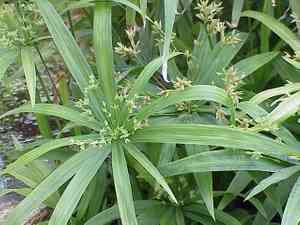
Miniature flatsedge (Cyperus prolifer)
Also known as: Dwarf Papyrus, Dwarf Umbrella Sedge
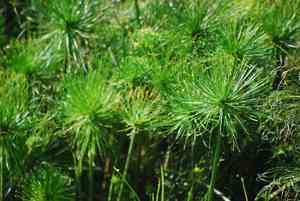
The plant in question is likely the common bulrush, a perennial with tall, slender green stems that feature umbrella-like clusters of small, brownish flower spikes. These distinct spikes resemble tufted umbrellas, standing above its dense, grass-like foliage. Thriving in wet environments, bulrush often forms lush stands that offer shelter and breeding areas for various aquatic wildlife, thereby enhancing the biodiversity of wetland ecosystems.
In This Article
Attributes of Miniature flatsedge
Lifespan
Perennial
Plant Type
Grass
Plant Height
Approximately 30-45 cm
Spread
Approximately 30 cm
Leaf Color
Bright green
Flower Size
Small, insignificant
Flower Color
Brownish
Images of Miniature flatsedge
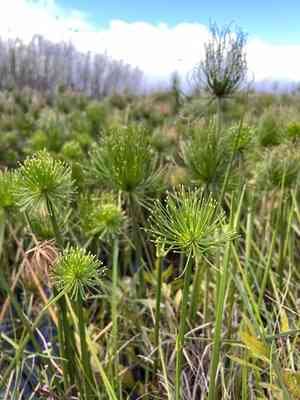
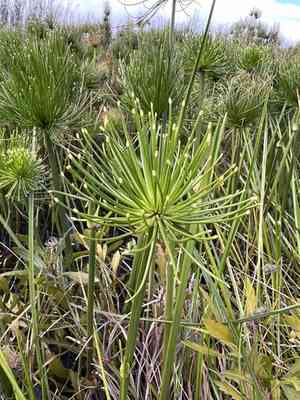
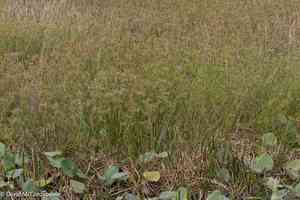
Quickly Identify Miniature flatsedge
1
Petite stature, not exceeding 1 foot (30 cm), with delicate, bushy appearance.
2
Unique flower clusters without petals, greenish color, radiating on rigid rays.
3
Smooth, light brown achene fruit, resilient and non-dehiscent.
4
Dark green, pendulous, narrow leaves, spirally arranged atop leafless stem.
5
Erect, smooth stems with no branching, growing up to 2 feet (60 cm) tall.
Scientific Classification of Miniature flatsedge
Phylum
Vascular plants
Class
Monocotyledons
Order
Poales
Family
Sedge
Genus
Nutgrasses
Species
Miniature flatsedge
Planting and Growing of Miniature flatsedge
Care Difficulty
Easy
Watering Schedule
Every 3 days
Sunlight Requirements
Full sun
Sunshine Duration
4-6 hours
Ideal Temperature
70-85℉
Soil Type
Potting Mix, Peat Mix
Soil pH
6.5-7.5
Fertilizer Type
Balanced
Pruning Season
Spring, Summer
Pruning Area
Branches, Leaves
Pruning Frequency
2 times a year
Repotting Season
Spring
Pot Type
Plastic, Ceramic
 How to Water Miniature flatsedge?
For Cyperus prolifer, water around 250 ml each time. This species loves moist environments but ensure proper drainage to prevent root rot. Water until you see excess draining from the bottom of the pot, indicating the soil is sufficiently saturated.
What are the symptoms of an underwatered Miniature flatsedge?
›
What should I do if my Miniature flatsedge is not getting enough water?
›
What are the symptoms of an overwatered Miniature flatsedge?
›
How to save an overwatered Miniature flatsedge?
›
 What Are the Sunlight Requirements for Miniature flatsedge?
Cyperus prolifer benefits from full sun to partial sun, encouraging robust growth and maintaining its lush greenery. The balance between full and partial exposure supports photosynthesis and retains optimum plant health.
What is the ideal sunlight required for Cyperus prolifer?
›
Why is this amount of sunlight ideal?
›
How can I ensure Cyperus prolifer gets the right amount of light?
›
 What Is the Ideal Temperature Range for Miniature flatsedge?
For optimal growth, Cyperus prolifer prefers a warm climate with temperatures ranging from 70°F to 85°F. This temperature range provides the best conditions for its growth and ensures healthy foliage and stem development.
 What Soil is Best for Miniature flatsedge?
Cyperus prolifer thrives in soil that can retain moisture well without becoming waterlogged. Such soil ensures the plant receives consistent hydration, which promotes healthy growth and lush foliage. Rich, nutrient-dense soils are critical for Cyperus prolifer, supporting robust root development and vibrant green leaves. Fertile soil provides essential nutrients that help the plant resist diseases. While Cyperus prolifer enjoys moist conditions, it's crucial to provide soil that drains well to prevent root rot. Efficient drainage protects the roots from standing water, maintaining plant health.
 How to Fertilize Miniature flatsedge?
For Cyperus prolifer, it is essential to balance between too much and too little fertilizer. Apply liquid fertilizer at half the recommended strength by the manufacturer, ensuring you do not overwhelm the plant. For slow-release fertilizers, a handful spread evenly across the soil should suffice each time.
 How to Prune Miniature flatsedge?
Start by carefully examining the plant for any dead or damaged stems. Use a pair of sharp, sterilized scissors or garden shears to trim off these sections, ensuring you cut as close to the base as possible without damaging other parts of the plant. Focus especially on the outer sheaths that tend to dry out faster. This will encourage new growth and help maintain a tidy appearance. Once the outer sheaths are trimmed, move on to assess the central growth or the crown. Trim back any overgrown sections to encourage a more compact form. Be sure to remove any flower spikes that have expired to prevent the plant from putting unnecessary energy into seed production. Trimming helps redirect energy towards developing lush foliage. After removing unwanted growth, step back and view the plant's overall shape. Trim as necessary to maintain a balanced and uniform look, reducing any asymmetrical growth. Carefully snip tips that are excessively long, ensuring you do not leave rough edges which could attract pests.
More About Pruning Techniques→
 How to Propagate Miniature flatsedge plant?
1
Start by preparing a well-draining soil mix. Combine standard potting soil with a third of sand or perlite for added drainage, which is crucial for Cyperus prolifer's root development and to prevent waterlogging.
2
Scatter the seeds evenly on the surface of the soil. Cover them lightly with a fine layer of soil. Ensure that the soil remains moist but not waterlogged to foster germination and avoid seed rot.
3
When dividing the plant, dig around the base to lift the plant gently. Split it into sections, ensuring each section has roots and shoots. Replant each section promptly to reduce transplant shock.
 How to Repot Miniature flatsedge plant?
1
Cyperus prolifer signals the need for repotting when its roots start emerging from the drainage holes, the plant shows signs of stunted growth, or the soil dries out too quickly after watering. Such symptoms indicate that the plant has outgrown its current pot.
2
Select a pot that is 1-2 inches larger in diameter than the current one. This provides additional space for root expansion, ensuring the plant continues to thrive and absorb nutrients efficiently, without the constraints of overcrowding.
3
Opt for a moist, well-draining potting mix, ideally rich in organic matter. This composition supports Cyperus prolifer by offering adequate moisture retention while preventing stagnant water, which can lead to root rot.
Learn More About Miniature flatsedge Diseases
Anthracnose
Bacterial Leaf Spot
Bacterial Soft Rot
Bacterial Wilt
Chemical Injury
Damping-off
Downy Mildew
Drought Stress
Fusarium Wilt
Gray Mold
Leaf Spot
Mosaic
Nutrient Deficiency
Nutrient Toxicity
Powdery Mildew
Root Rot
Root-knot Nematode
Rusts
Sooty Mold
Spider Mites
Temperature Stress
Thrips Damage
White Mold



