How to Propagate Miniature flatsedge?
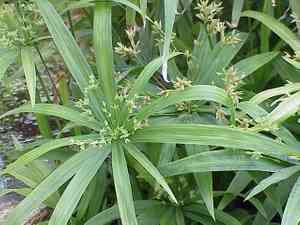
Cyperus difformis flourishes in damp, boggy environments. Its reproduction is efficiently achieved through the process of division. Gently divide the plant's clusters, making sure every segment retains its root system, then relocate them into appropriate moist ground. This technique fosters vigorous development and aids in preserving the plant's well-being. Steady hydration is vital for successful propagation and subsequent development.
Optimal Period for Propagating Miniature Flatsedge
Propagation Method
Division
Propagation Season
Spring,Autumn
Tools Required for Miniature Flatsedge Propagation
Gardening Knife
A sharp gardening knife is crucial for cleanly and precisely separating miniature flatsedge clumps. It ensures an accurate cut, vital for minimizing plant damage and encouraging faster recovery and root development.
Hand Trowel
A hand trowel is useful for carefully excavating around miniature flatsedge groupings. This tool aids in gently lifting plant sections for division, safeguarding delicate roots during the process.
Garden Gloves
Wearing garden gloves protects your hands when working with soil and handling miniature flatsedge. They offer grip and prevent injuries from sharp plant parts or tools, ensuring safe handling throughout propagation.
Watering Can with Fine Rose
A watering can with a fine rose is perfect for gently irrigating newly divided miniature flatsedge sections. The fine spray prevents soil displacement and damage to tender new roots, ensuring even and adequate moisture distribution after division.
Rooting Hormone Powder
While not always necessary for all divisions, applying rooting hormone powder to cut sections of miniature flatsedge can stimulate stronger and quicker root growth, increasing propagation success rates.
Labeling Stakes
Using labeling stakes to identify newly propagated miniature flatsedge sections helps track their progress and organize your propagation efforts. These are especially beneficial in a larger garden setting.
Sterilized Pruning Shears
Sterilized pruning shears can serve as an alternative to a gardening knife for making clean cuts. They are particularly helpful when precision is needed for separating tightly packed miniature flatsedge roots. Sterilizing shears minimizes disease transmission risk.
How to Propagate Miniature Flatsedge?
Propagation Type
Easy
How to Care for Your Newly Propagated Miniature Flatsedge?
How to Care for Your Newly Propagated Miniature Flatsedge?
Maintain consistent soil moisture, but avoid saturation. Ensure the plant receives indirect light or partial shade. Monitor for pests and diseases, treating them promptly. Once established, lightly fertilize with a balanced liquid fertilizer every 4-6 weeks during the growing season to encourage healthy growth. Trim dead or yellowing leaves to promote new growth and maintain a tidy appearance.
Common Mistakes to Avoid When Propagating Miniature Flatsedge
Overwatering
Excessive moisture can lead to root rot, which is detrimental to the plant's well-being.
Inadequate sunlight
Insufficient light can impede growth and result in weak, elongated plants.
Using the wrong soil type
Dense, poorly draining soil can suffocate roots, causing poor growth or plant demise.
Improper cutting technique
Damaging the parent plant or attempting propagation with unhealthy cuttings can decrease the likelihood of successful propagation.
Tips For Propagating Miniature Flatsedge
Well-draining soil
Utilize a light, airy soil mix to ensure proper drainage and root health.
Moderate watering
Maintain consistent moisture without waterlogging the soil, allowing the top layer to dry slightly between waterings.
Bright, indirect sunlight
Position the plant in a spot with ample indirect sunlight to encourage robust growth.
Healthy and clean cuttings
Always use clean, sharp tools for taking cuttings and ensure they originate from healthy parts of the plant.



