How to Prune Malabar gourd?
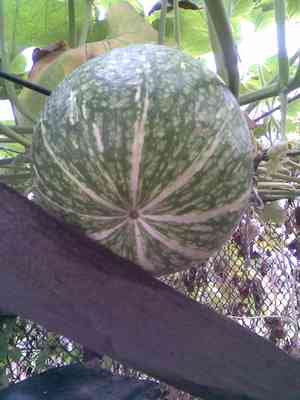
To achieve peak vitality and abundant fruit yield, trim malabar gourd during late winter or early spring, prior to the emergence of new shoots. Eliminate any lifeless or ailing branches, reduce crowded sections to foster better air movement, and sculpt the plant to control its dimensions and encourage robust development. Strategic pruning can boost the size and caliber of the fruit and potentially curb the dissemination of diseases by accelerating the drying of leaves. Employ sanitized, keen implements to execute accurate incisions and lessen strain on the plant.
What Are the Benefits of Pruning Malabar Gourd?
What Are the Benefits of Pruning Malabar Gourd?
Trimming malabar gourd promotes a plentiful harvest and robust development, while also maintaining its form. By eliminating excess leaves, energy is redirected to fruit development, keeping the plant manageable and visually appealing.
What Is the Best Time for Pruning Malabar Gourd?
What Is the Best Time for Pruning Malabar Gourd?
Late winter and early spring are considered optimal for pruning malabar gourd as these periods allow for the removal of old growth before new growth begins in spring. Pruning during dormancy helps avoid stressing the plant and reduces the risk of disease transmission common in warmer, humid conditions. Additionally, it's easier to identify parts of malabar gourd needing pruning when foliage is sparse. Trimming in late winter to early spring encourages vigorous growth, better shapes the plant, and enhances fruit production for the upcoming season. It also aids in removing any frost damage from winter and prepares the plant for robust health and productivity.
What Tools Do I Need to Prune Malabar Gourd?
Hand Pruners
Malabar gourd typically produces vines that can be managed with hand pruners, especially for cutting thinner stems and removing any dead or diseased material. Opt for bypass pruners for clean cuts that encourage healthy regrowth.
Pruning Saw
For older or tougher stems that hand pruners cannot handle, a pruning saw is useful. This ensures the gardener can safely remove thicker growth without harming malabar gourd.
Gloves
Since malabar gourd may have rough stems that could potentially injure hands, wearing gloves is essential. They provide protection and a better grip when using pruning tools.
How to Prune Malabar Gourd
Clean tools
Before pruning malabar gourd, sanitize pruning tools with alcohol or a bleach solution to prevent disease spread.
Identify diseased
Inspect malabar gourd for signs of illness, focusing on spots, discoloration, or decay on leaves.
Remove diseased leaves
Carefully trim diseased leaves at their base, taking care to avoid damaging healthy parts of malabar gourd.
Identify withered
Look for dried leaves on malabar gourd, which are typically dry, brown, and brittle.
Remove withered leaves
Snip off withered leaves at the stem, cleaning the cuts to promote new, healthy growth on malabar gourd.
Common Pruning Mistakes with Malabar Gourd
Over-pruning
Removing too much foliage from malabar gourd can stress the plant, impede its growth, and decrease its fruit yield.
Improper cutting
Making cuts too close to fruiting bodies or too far from a node can lead to poor healing and increased susceptibility to diseases.
Pruning during active growth
Cutting back malabar gourd while it is actively growing can hinder its ability to establish a strong structure and may reduce yield.
Ignoring diseased or damaged limbs
Failing to remove diseased or damaged limbs can allow decay and infection to spread throughout malabar gourd, compromising its overall health.
Not sterilizing tools
Using unsterilized pruning tools can introduce pathogens to malabar gourd, potentially leading to disease outbreaks.
Common Pruning Tips for Malabar Gourd
Selective thinning
Carefully thin out crowded areas to improve air circulation and sunlight penetration, which helps malabar gourd produce healthier fruits and reduces disease risk.
Clean cuts
Make precise cuts at a 45-degree angle near a node to promote effective healing and minimize stress on malabar gourd.
Regular inspection
Periodically check malabar gourd for dead, diseased, or overgrown limbs, and prune them promptly to maintain plant health and vigor.
Tool maintenance
Use sharp, clean pruning tools to make precise cuts that heal quickly, preventing damage to malabar gourd.
Conservative approach
Adopt a conservative approach to pruning, removing only what is necessary to shape malabar gourd and provide space for growth, especially for new gardeners unfamiliar with the plant's habits.



