How to Propagate Malabar gourd?
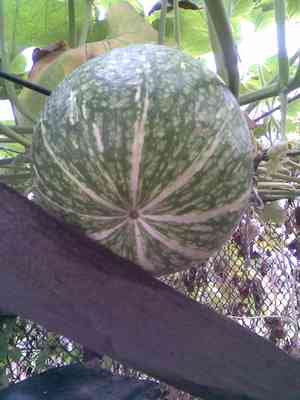
Malabar gourd is typically multiplied by planting its seeds. To achieve the best germination rates, soaking the seeds for a full day can improve their water uptake. Place the seeds in soil that drains effectively, preferably where there is ample sunlight, to encourage strong development. It is essential to provide sufficient distance between young plants because malabar gourd has a sprawling habit. Consistent irrigation and vigilance against insects will foster robust growth. This approach enables cultivators to effectively grow sturdy plants capable of thriving in diverse garden environments.
Optimal Time for Malabar Gourd Propagation
Propagation Method
Seeding
Propagation Period
Spring
Tools for Malabar Gourd Propagation
Seeds
The primary propagation method for malabar gourd involves seeds. Utilizing high-quality, disease-free seeds is vital for successful sprouting. Seeds should be acquired from reputable sources to ensure genetic purity and vitality.
Seedling trays
Seedling trays are utilized for initiating malabar gourd seeds in controlled environments, which aids in achieving consistent germination and development. Trays with individual compartments prevent root disturbance during transplanting, fostering a healthier root system.
Potting mix
A well-draining, nutrient-rich potting medium is essential for the successful germination of malabar gourd seeds. The mix should be loose and pathogen-free to support healthy seedling growth without waterlogging, reducing the risk of root rot.
Watering can with a fine rose
This tool delivers gentle irrigation, crucial for maintaining appropriate moisture levels around the delicate malabar gourd seeds and young seedlings. A fine rose prevents soil compaction, ensuring that fragile seedlings are not disrupted.
Grow lights
If propagating malabar gourd indoors, grow lights can provide consistent and sufficient illumination, necessary to support the vegetative development of seedlings. Proper lighting is vital for preventing leggy growth and ensuring sturdy, healthy seedlings.
Heat mat
Employing a heat mat can enhance germination rates by maintaining optimal soil temperature for malabar gourd seeds, particularly in cooler climates or during colder times of the year. This tool promotes faster and more uniform seed sprouting.
How to Propagate Malabar Gourd
Propagation Type
Simple
Caring for Your Newly Propagated Malabar Gourd
Caring for Your Newly Propagated Malabar Gourd
Post-propagation, provide malabar gourd with consistent moisture, ensuring the soil stays damp but well-drained, especially during dry periods. Offer a support structure like a trellis or fence as the vines mature. Fertilize with a balanced, slow-release fertilizer every four weeks during the active growth season. Regularly inspect for pests such as squash bugs and address infestations promptly to prevent damage to malabar gourd. Mulching around the base can help retain soil moisture and suppress weed growth.
Common Mistakes to Avoid When Propagating Malabar Gourd
Overwatering seedlings
Excessive irrigation can lead to root rot and fungal development, jeopardizing the health and survival of malabar gourd's young plants.
Planting seeds too deep
Seeds sown too deeply may not germinate as malabar gourd requires light for optimal sprouting. Seeds buried too far in the soil might fail to emerge above the surface.
Ignoring soil composition
Using an unsuitable soil type, especially heavy or poorly drained soils, can impede root development and water drainage, negatively impacting malabar gourd's growth.
Plant overcrowding
Planting malabar gourd's seeds too close together can result in competition for light, nutrients, and water, thereby stunting growth and potentially increasing susceptibility to diseases.
Tips For Propagating Malabar Gourd
Appropriate soil preparation
Utilize a well-draining, nutrient-rich soil mix to encourage healthy root development and adequate nutrient absorption for malabar gourd.
Proper seed depth
Sow malabar gourd's seeds at a shallow depth, a recommended 0.5 inches, to ensure sufficient light exposure and successful germination.
Adequate spacing
Space the seeds or seedlings of malabar gourd appropriately to prevent overcrowding, thereby ensuring adequate air circulation and reducing the risk of fungal infections.
Regular monitoring
Check malabar gourd's plants regularly for signs of pests and diseases. Early detection and management can prevent widespread damage and aid in the healthy growth of the plant.



