How to Prune Cantaloupe?
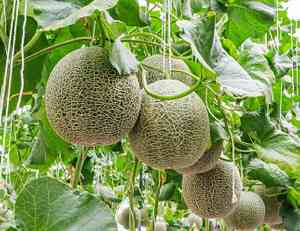
Cantaloupe, a favored climbing fruit, thrives with precise trimming to enhance airflow and the caliber of its produce. For peak outcomes, eliminate all but the primary stalk, guiding it along a support structure. Nipping the ends after several leaves will stimulate side growth, where blossoms and fruit emerge. Trim side branches to 3-4 segments. Ideally performed from mid-spring through late autumn, meticulous pruning reduces the chance of illness and yields bigger, more succulent melons.
What Are the Benefits of Pruning Cantaloupe?
What Are the Benefits of Pruning Cantaloupe?
Trimming cantaloupe promotes robust development by channeling energy to the most fruitful areas. It aids in maintaining form and structure for optimal sun exposure and air circulation, crucial for healthy growth and yield.
What Is the Best Time for Pruning Cantaloupe?
What Is the Best Time for Pruning Cantaloupe?
These periods are ideal for trimming cantaloupe due to various aspects of its growth cycle and fruiting characteristics. In mid-spring, cantaloupe starts active growth post-dormancy, making it perfect for shaping and fostering new, healthy growth. Ensuring adequate sunlight and air movement through pruning at this stage enhances fruit set and quality. During the growing season, maintaining plant structure and removing damaged or diseased branches is vital for plant health and output. Pruning in late fall, after harvest, allows cantaloupe to recover and prepare for winter, eliminating growth that could harbor pests or diseases. Pruning during these recommended times helps maximize yield, prevent overgrowth, and contributes to the sustained health and vigor of cantaloupe.
What Tools Do I Need to Prune Cantaloupe?
Hand Pruners
Ideal for making precise cuts on cantaloupe's vines and fruit stems without harming the plant. Ergonomic bypass pruners are suggested for their sharp blades that ensure clean cuts, essential for promoting healthy growth and preventing disease.
Garden Scissors
Perfect for thinning cantaloupe's smaller shoots or leaves. These enable precision when working in confined spaces, ensuring only the intended parts of the plant are removed.
Pruning Saw
Required for cutting through larger or woodier sections of cantaloupe if they develop, though this is less common. A pruning saw assists in removing old growth without straining the gardener's hand.
Gloves
Crucial for safeguarding hands from scratches and sap while trimming cantaloupe. Gloves also provide a better grip on tools, enhancing safety and accuracy.
How to Prune Cantaloupe
Step1: Identify Unhealthy Plant Segments
Examine cantaloupe thoroughly to locate any unhealthy leaves, old vines, and excessive lateral shoots. Unhealthy leaves might show signs of yellowing or illness. Old vines are those that have matured and are no longer productive. Excess lateral shoots are secondary vines that emerge from the main stem and can divert energy from fruit production.
Step2: Sterilize Pruning Tools
Sanitize your pruning tools with isopropyl alcohol or a bleach solution to prevent disease transmission. Always use sharp, clean scissors or pruning shears to make precise cuts without harming cantaloupe.
Step3: Prune Unhealthy Leaves
Trim unhealthy leaves by making a clean cut at the base of the leaf stem, close to the main vine. Avoid tearing or leaving stubs, as these can serve as entry points for disease.
Step4: Remove Old Productive Vines
Eliminate old vines that have already yielded fruit and are showing signs of age. Cut these vines back to the nearest healthy growth or to the main stem, if appropriate, being careful not to damage developing fruit or vines.
Step5: Control Lateral Shoot Growth
Limit the number of lateral shoots by selective trimming. Allow cantaloupe to have 3 to 4 fruit-bearing shoots. Carefully snip excess lateral shoots at their base where they connect to the main stem.
Step6: Enhance Airflow and Light Exposure
Thin out cantaloupe's growth to improve air circulation and light penetration. This helps reduce disease risk and supports the development of stronger, healthier fruits. Be careful not to over-prune, as leaves are essential for photosynthesis and energy production.
Step7: Time Pruning to Reduce Stress
Ensure pruning occurs in the morning or late afternoon to avoid the hottest part of the day. This helps reduce stress on cantaloupe and allows wounds to heal more effectively.
Step8: Dispose of Pruned Plant Material Properly
After pruning, discard the removed plant material away from your garden to prevent any potential spread of disease. Composting is often not advised for diseased plant materials as they can contaminate the compost.
Step9: Irrigate Post-Pruning
Water cantaloupe after pruning, if soil moisture is low, to aid plant recovery. Be sure to water at the base to avoid getting water on the leaves, which can encourage fungal diseases.
Step10: Monitor Plant Post-Pruning
Observe cantaloupe after pruning for any signs of stress or disease. Continue regular maintenance, including watering, fertilizing, and checking for pests.
Post-Pruning Care for Cantaloupe
Post-Pruning Care for Cantaloupe
Immediately after trimming cantaloupe, ensure clean, sharp tools were used to minimize stress. Maintain optimal environmental conditions: a temperature range of 65-75°F, consistent light exposure without direct scorching sun, and moderate humidity. Fertilize with a balanced nutrient solution to support recovery and encourage growth. Monitor cantaloupe closely for signs of stress such as wilting or yellowing leaves and for infection indications like discoloration at the pruning sites. If symptoms appear, adjust care and seek guidance on plant-specific treatments.
Common Pruning Mistakes with Cantaloupe
Over-pruning Stress and Reduced Yield
Excessive pruning can harm cantaloupe, as removing too much foliage at once can stress the plant and decrease fruit yield.
Accidental Reduction in Fruit Production
Trimming the main vine can inadvertently reduce fruit production because cantaloupe fruits primarily develop from this part of the plant.
Exposing Fruits to Sunburn
Removing healthy leaves that shade fruits can expose cantaloupe to sunburn, as the delicate skins are sensitive to direct sunlight.
Spreading Disease with Unclean Tools
Failing to sterilize pruning tools before use can introduce pathogens to cantaloupe, leading to disease spread.
Improper Cutting Technique Vulnerabilities
Incorrect cutting technique, such as making jagged cuts or tearing stems, can create open wounds that are susceptible to pests and diseases.
Common Pruning Tips for Cantaloupe
Selective Pruning of Lateral Shoots
Identify the main vines and side shoots; selectively trim lateral shoots to manage the plant's energy allocation toward healthy fruit production.
Pinching Tips for Branching and Air Circulation
Pinch off the tips of the lateral shoots after a few leaf nodes to encourage branching and increase air circulation within the foliage of cantaloupe.
Removing Dead or Diseased Foliage
Remove any dead or diseased foliage to help prevent the spread of diseases and to improve overall plant health.
Using Sharp, Clean Shears for Healthy Cuts
Use sharp, clean pruning shears to make precise cuts that heal quickly and reduce the risk of disease.
Thinning Dense Areas to Aid Ripening
Thin out dense areas to allow sunlight to reach the center of the plant, which can help with fruit ripening and reduce the likelihood of fungal issues.
Prune Away Off-Structure Shoots for Desired Shape
Cut away shoots and tendrils that are growing away from the support structure to maintain the desired shape and direction of growth.



