How to Propagate Cantaloupe?
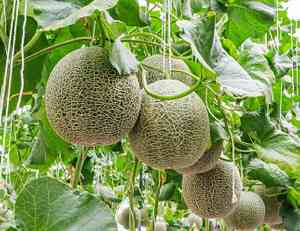
For cantaloupe, the most effective propagation technique is direct seeding, preferably in the springtime. The process of propagating it is considered moderately straightforward. Indicators of successful propagation involve robust development of young plants. Maintain appropriate soil dampness and elevated temperatures to enhance sprouting rates.
Optimal Period for Cantaloupe Propagation
Propagation Method
Sowing
Propagation Period
Spring
Equipment for Cantaloupe Propagation
Seed trays
Seed trays offer a regulated setting beneficial for the sprouting of cantaloupe seeds. Their individual sections enable proper spacing, minimizing rivalry and simplifying the maintenance of ideal soil moisture and temperature.
Heat mat
A heat mat gently warms the soil, which can boost the germination rate and speed for cantaloupe seeds by sustaining a consistent soil temperature, a critical element for successful cantaloupe germination.
Misting bottle or fine spray nozzle
These instruments facilitate gentle irrigation without disturbing the small cantaloupe seeds or compacting the soil. Uniform moisture distribution is essential for initiating germination.
Grow lights
If natural light is insufficient, grow lights supply the necessary light spectrum for cantaloupe seedlings to photosynthesize and develop robustly post-germination. Their adjustable intensity and duration can match the light needs of cantaloupe.
Dibber or seed dibble
This pointed tool creates appropriately sized holes in the soil for cantaloupe seeds, ensuring they are planted at the correct depth. Precise depth placement can significantly impact germination rates.
Perlite or vermiculite
These soil amendments enhance aeration and drainage in the seed-starting mix, crucial characteristics for preventing damping-off, a fungal disease that can affect cantaloupe seedlings.
Peat pots or biodegradable pots
Peat pots or other biodegradable containers minimize transplant shock for cantaloupe as they can be planted directly into the ground, preventing root disturbance during relocation.
Potting mix
A premium seed-starting potting mix provides the sterile, nutrient-rich, and well-draining medium required for the successful germination and growth of cantaloupe seeds.
How to Propagate Cantaloupe?
Propagation Type
Sowing
Difficulty Level
Easy
Caring for Newly Propagated Cantaloupe
Caring for Newly Propagated Cantaloupe
Post-propagation, cantaloupe needs full sun and well-drained soil. Water the vines deeply but infrequently, allowing the soil to dry slightly between waterings to encourage deep root development. Mulch can be used to retain moisture and manage weeds. Fertilization should follow package instructions with a balanced fertilizer until fruit formation begins. Once fruits are present, switch to a phosphorus-rich fertilizer to promote growth. Monitor for pests and diseases, and apply appropriate control measures as needed. Harvest cantaloupe when the fruits have reached full size, the rind is firm, and they easily detach from the vine.
Common Errors to Avoid When Propagating Cantaloupe
Overwatering
Excessive or frequent watering of cantaloupe can lead to root rot and fungal issues. These plants prefer well-drained soil and can be sensitive to constant moisture.
Planting too deep
Cantaloupe seeds buried too deeply in the soil may fail to germinate as they cannot reach the surface. This can significantly reduce the propagation success rate.
Overcrowding seeds
Planting cantaloupe seeds too close together can impede their growth due to competition for space, light, and nutrients, resulting in weaker plants.
Ignoring soil quality
Using substandard soil that drains poorly or lacks nutrients can hinder the growth of cantaloupe, as the plant thrives in rich, well-drained soil.
Tips For Propagating Cantaloupe
Proper seed depth
Planting cantaloupe seeds at the correct depth, approximately three times the seed's diameter, is vital for successful germination.
Adequate spacing
Ensuring proper spacing between cantaloupe seeds promotes healthy plant development by reducing competition and allowing for sufficient airflow.
Soil preparation
Amending the soil with organic matter and ensuring it is loose and well-draining will create an optimal environment for cantaloupe seedlings to flourish.
Moderate watering
Water cantaloupe seeds and seedlings moderately to maintain moist soil, but avoid waterlogging. This preserves the delicate balance necessary for healthy root development.



