Optimal Fertilizer for Growing Cantaloupe: What You Need to Know
1
A general-purpose fertilizer, such as one with a 10-10-10 N-P-K balance, is suitable for Cantaloupe.
2
Refrain from applying too much fertilizer, as this can stimulate leaf development at the cost of fruit yield.
3
Cantaloupe benefits most from fertilization during the cooler parts of the day, specifically early morning or late evening, to minimize nutrient loss through evaporation.
Understanding Cantaloupe Nutritional Needs
Essential Macronutrients for Cantaloupe
For robust growth and to yield sweet, juicy fruits, Cantaloupe needs three main macronutrients: nitrogen (N), phosphorus (P), and potassium (K). Nitrogen promotes the development of abundant leaves and vines, vital for photosynthesis. Phosphorus supports strong root systems and flower development, which is crucial for fruit formation. Lastly, potassium enhances the plant's resistance to stress and improves fruit quality, ensuring you harvest the most flavorful Cantaloupe.
The Role of Micronutrients
Beyond macronutrients, Cantaloupe plants also require various micronutrients, though in smaller quantities. Micronutrients like calcium, magnesium, and sulfur play important roles. Calcium helps maintain cell structure and prevents issues such as blossom end rot. Magnesium is vital for chlorophyll production, while sulfur assists in synthesizing specific amino acids. Despite their minimal need, these micronutrients are critical for overall plant health and yield.
Choosing the Right Fertilizer for Cantaloupe
Organic versus Inorganic Fertilizers
When it comes to feeding Cantaloupe, both organic and synthetic fertilizers have advantages and disadvantages. Organic fertilizers, such as compost or well-rotted manure, offer a slow release of nutrients and enhance soil structure. They are environmentally friendly and boost microbial activity in the soil. Conversely, inorganic fertilizers deliver nutrients rapidly and are simple to apply. They can be customized for specific nutrient demands but lack the soil-improving benefits of organic options. Your choice depends on your gardening preferences and your Cantaloupe plants' immediate requirements.
Key Ingredients to Look For
When picking a fertilizer, opt for a balanced formula with an N-P-K ratio of 10-10-10 or similar. This balance ensures your Cantaloupe gets all necessary macronutrients. Also, check for the presence of micronutrients such as calcium and magnesium. For organic fertilizers, ingredients like bone meal, fish emulsion, and kelp meal are excellent sources of nourishment.
Cantaloupe Fertilizing Schedule
When to Start Fertilizing Cantaloupe
The best time to begin fertilizing your Cantaloupe is in early spring, just before planting. Mix a balanced fertilizer into the soil to make sure it's nutrient-rich when the seedlings are transplanted. If using organic options like compost, incorporate them into the soil a couple of weeks before planting so they have time to decompose and release nutrients.
Frequency and Timing of Application
For Cantaloupe, maintaining a consistent fertilization routine is crucial. After the initial pre-plant application, reapply fertilizer every two to three weeks throughout the growing season. It's best to do this early in the morning or late in the evening when temperatures are cool, reducing the risk of nutrient evaporation and ensuring optimal absorption by the plants.
Applying Fertilizer to Cantaloupe
Methods of Fertilizer Application
There are several ways to apply fertilizer to Cantaloupe. A common method is side-dressing, where you spread fertilizer along the rows close to the plants. Another technique is foliar feeding, involving spraying a diluted fertilizer solution directly onto the leaves for rapid nutrient uptake. Granular fertilizers can also be gently worked into the soil around the base of the plants.
Avoiding Fertilizer Burn
Fertilizer burn happens when too much fertilizer is applied, leading to nutrient overload and plant damage. To prevent this, always adhere to the recommended rates on the fertilizer packaging. Water the plants thoroughly after applying granular fertilizers to help distribute nutrients and prevent root damage. Distribute fertilizers evenly to avoid concentrations in one spot, which can harm Cantaloupe roots.
Monitoring Cantaloupe Growth and Health
Signs of Adequate Nutrition
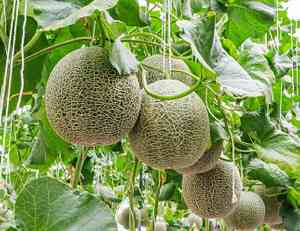
Healthy Cantaloupe plants will display vigorous vine growth, dark green leaves, and an abundant number of flowers and developing fruits. Leaves should be free of discoloration or spots, and fruits should form uniformly and mature as expected. These are clear indications that your fertilization approach is effective.
Adjusting Fertilization Based on Plant Response
Regularly examine your Cantaloupe plants for signs of nutrient deficiencies or excesses. Yellowing leaves may signal a nitrogen shortage, while excessively dark green, lush foliage with minimal fruiting might suggest too much nitrogen. In such cases, modify your fertilization regimen accordingly—either supplementing missing nutrients or reducing the frequency or amount of fertilizer applications.



