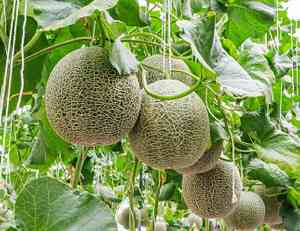
Cantaloupe (Cucumis melo)
Also known as: Muskmelon, Christmas melonc
Cucumis melo encompasses several melon types, such as cantaloupe, honeydew, and muskmelon. These melons are rich in vitamins A and C and are predominantly enjoyed fresh. They can also be dried or used in the production of oil or liqueur.
In This Article
Attributes of Cantaloupe
Lifespan
Annual
Plant Type
Vine, Herb
Plant Height
1.5 m
Spread
1 m
Leaf Color
Green
Flower Size
2 mm to 2 cm
Flower Color
Yellow
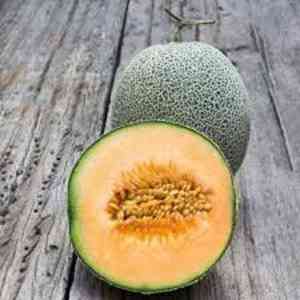
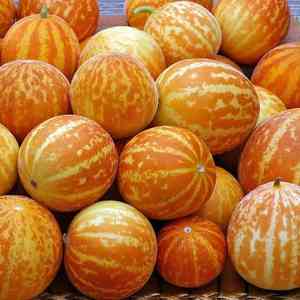
Images of Cantaloupe
Quickly Identify Cantaloupe
1
Scrambling, trailing vine up to 10 feet (3 meters) long.
2
Large, lobed leaves with fuzzy texture and heart-shaped base.
3
Bright yellow flowers with 5 egg-shaped petals, 1 inch (2.5 cm) across.
4
Round to oblong fruit with rough, netted skin and sweet, juicy flesh.
5
Stem covered in long, white hairs, sturdy and branching for climbing.
Scientific Classification of Cantaloupe
Phylum
Vascular plants
Class
Dicotyledons
Order
Cucurbitales
Family
Gourd
Genus
Melon
Species
Cantaloupe
Planting and Growing of Cantaloupe
Care Difficulty
Easy
Watering Schedule
Every 4 days
Sunlight Requirements
Full sun
Sunshine Duration
6-10 hours
Ideal Temperature
70-85℉
Soil Type
Potting Mix, Peat Mix
Soil pH
6-7.5
Fertilizer Type
Balanced
Pruning Season
Spring, Summer
Pruning Area
Branches, Leaves
Pruning Frequency
2 times a year
Repotting Season
Spring
Pot Type
Plastic, Ceramic
 How to Water Cantaloupe?
For Cucumis melo, water them deeply so the soil is moist but not waterlogged. Water until you notice slight drainage from the bottom of the pot, ensuring the entire root zone gets hydration.
More About Watering Techniques→
What are the symptoms of an underwatered Cantaloupe?
›
What should I do if my Cantaloupe is not getting enough water?
›
What are the symptoms of an overwatered Cantaloupe?
›
How to save an overwatered Cantaloupe?
›
 What Are the Sunlight Requirements for Cantaloupe?
Cucumis melo ideally requires full sun exposure. Ideal lighting supports maximum photosynthesis, enhancing growth, health, and melon sweetness.
More About Sunlight Requirements Techniques→
What is the best sunlight type for Cucumis melo?
›
How can you ensure sufficient sunlight for Cucumis melo?
›
What benefits does ideal sunlight provide Cucumis melo?
›
 What Is the Ideal Temperature Range for Cantaloupe?
Cucumis melo thrives best in warm conditions with temperatures ranging from 70°F to 85°F. This temperature range ensures optimal photosynthesis, growth rate, and fruit development.
 What Soil is Best for Cantaloupe?
Cucumis melo thrives in well-drained soil to prevent root rot and other fungal diseases. Good drainage ensures that the roots get adequate oxygen, promoting healthy plant growth. This plant benefits from nutrient-rich soil, which supports its vigorous growth and fruit production. A balanced mix of nitrogen, phosphorus, and potassium enhances its flowering and fruiting processes. Cucumis melo requires warm soil temperatures above 18°C for optimal growth. This warmth speeds up seed germination and encourages healthy root and vine development.
More About Soil→
 How to Fertilize Cantaloupe?
For Cucumis melo, a light to moderate amount of fertilizer is generally sufficient. Use a balanced 5-10-10 fertilizer, applying about 1 pound per 100 square feet of growing area. Over-application should be avoided as it can lead to nutrient imbalances and potential plant damage.
More About Fertilizing Techniques→
 How to Prune Cantaloupe?
When pruning Cucumis melo, always ensure you work safely to avoid injuries. Use a stable ladder if reaching higher parts of the plant and wear gloves to protect your hands. Be mindful of the plant's vines and sprawling growth habit, which may entangle easily. Avoid pruning during extreme weather conditions, such as intense heat or rain, as these can stress the plant. Pruning during milder weather conditions in the selected seasons will optimize healing and new growth while minimizing plant stress.
More About Pruning Techniques→
 How to Propagate Cantaloupe plant?
1
Start by filling the seed trays with a fine seed-starting mix. Sow the melon seeds about 1/4-inch deep and lightly cover them with soil. Water gently to avoid disturbing the seeds, and maintain a moist environment for germination.
2
Seeds should be kept at a temperature of about 25°C (77°F) for optimal germination. Use a heat mat if necessary to maintain the soil warmth that encourages seed sprouting.
3
Choose a sturdy rootstock and a healthy scion. Make a vertical cut down the middle of the rootstock and a matching wedge on the scion. Fit them together and wrap with a grafting tape to secure.
 How to Repot Cantaloupe plant?
1
Cucumis melo should be repotted when roots outgrow their current pot, often poking through drainage holes, or if the plant's growth seems stunted despite proper care. These signals indicate that the plant has consumed all the available nutrients and requires more space to thrive.
2
Select a pot that is 1-2 inches larger in diameter than the current one and includes ample drainage holes. A larger pot will provide the roots enough space to extend, and good drainage prevents waterlogging that can lead to root rot, ensuring the plant remains healthy.
3
Use a well-draining fertile soil, ideally a mix of sandy loam and organic matter, which facilitates aeration while retaining necessary moisture. This blend prevents compacted roots and supplies essential nutrients, supporting robust growth and fruit production.



