How to Prune Palm-Leaf Mistflower?
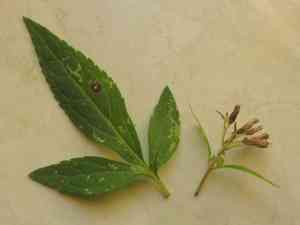
A unique perennial recognized for its delicate, palm-like foliage, palm-Leaf Mistflower flourishes with consistent trimming. Cut back in late spring to foster denser development and improved flowering. Throughout summer, remove faded blossoms to encourage a subsequent flowering period. Pruning not only preserves an appealing form but also stimulates vigorous well-being. Refrain from extensive winter pruning to safeguard the plant's central framework. Timely trimming accommodates palm-Leaf Mistflower's growth patterns for cultivators desiring abundant, vivid presentations.
What Are the Benefits of Pruning Palm-leaf Mistflower?
What Are the Benefits of Pruning Palm-leaf Mistflower?
Trimming palm-Leaf Mistflower encourages robust development and preserves its structure, crucial for the plant's visual appeal and well-being. Strategic cuts direct energy to thriving areas, boosting resilience and vigor.
What Is the Best Time for Pruning Palm-leaf Mistflower?
What Is the Best Time for Pruning Palm-leaf Mistflower?
The optimal period for pruning palm-Leaf Mistflower is in late spring, immediately following its blooming phase, or in early summer. During this timeframe, palm-Leaf Mistflower has finished its flowering cycle, which typically occurs in spring. Pruning at this point allows gardeners to shape the plant and stimulate new growth without sacrificing the current year's blossoms. Pruning in late spring or early summer also provides palm-Leaf Mistflower ample opportunity to recover and generate fresh growth before entering winter dormancy. It is crucial to avoid pruning in late fall or winter, as this can trigger new growth susceptible to frost damage. Regular pruning during the ideal seasons helps maintain the health and appearance of palm-Leaf Mistflower, fostering more vigorous growth and abundant flowering in the subsequent season.
What Tools Do I Need to Prune Palm-leaf Mistflower?
Bypass Pruners
These are perfect for making clean cuts on the soft, herbaceous stems of palm-Leaf Mistflower. They operate like scissors and are recommended for accurate trimming without causing unnecessary stress or harm to the plant.
Snips
Small snips are suitable for deadheading or removing faded flowers from palm-Leaf Mistflower. They enable precise cutting and are ideal for reaching into dense foliage without disturbing the rest of the plant.
Pruning Shears
These are a good choice for shaping and managing the height and spread of palm-Leaf Mistflower. They can handle thicker stems than snips and are designed for repeated cutting with less hand fatigue.
Gloves
Wearing gloves is vital to safeguard your hands from any potential skin irritation caused by handling palm-Leaf Mistflower, as well as from any sharp edges or thorns that might be present.
How to Prune Palm-leaf Mistflower
Identify affected parts
Examine palm-Leaf Mistflower for any diseased or withered leaves, as well as unhealthy stems. These are the sections that will require trimming to maintain plant health and encourage new growth.
Sanitize tools
Before starting to prune palm-Leaf Mistflower, disinfect your pruning tools with alcohol or a 10% bleach solution to prevent the spread of disease.
Cut diseased leaves
Using your sterilized tools, carefully remove diseased and withered leaves. Make your cuts clean and close to the stem without harming the plant's healthy tissue.
Remove diseased stems
Locate and remove any diseased stems on palm-Leaf Mistflower. Cut back the stem to a point of healthy growth, ensuring no stubs are left as they could attract pests or disease.
Cleanup
After pruning palm-Leaf Mistflower, gather and discard all removed material immediately to prevent any spread of disease. Do not compost diseased plant material.
Common Pruning Mistakes with Palm-leaf Mistflower
Overpruning
Cutting back palm-Leaf Mistflower too aggressively can shock the plant, impeding its growth and flowering. It's important to prune cautiously, removing only what is essential.
Improper cutting technique
Making jagged or torn cuts on palm-Leaf Mistflower's stems can lead to disease and pest infestation. Use sharp and clean pruning shears to make clean, angled cuts.
Removing too much old wood
Palm-Leaf Mistflower benefits from the presence of some mature stems to ensure continuous flowering. Excessive removal of old wood can diminish the plant's blooming potential.
Pruning without sanitization
Not sanitizing tools between cuts and plants risks spreading pathogens to palm-Leaf Mistflower. Always clean pruning equipment, especially if used on a diseased plant.
Ignoring diseased or dead material
Failing to remove diseased or dead material from palm-Leaf Mistflower can attract pests and allow disease to spread, negatively impacting the plant's health.
Shaping incorrectly
Attempting to force palm-Leaf Mistflower into an unnatural shape can stress the plant and lead to a reduction in its ornamental value.
Common Pruning Tips for Palm-leaf Mistflower
Prune for health
Remove dead, diseased, or damaged stems to encourage palm-Leaf Mistflower's growth and prevent issues from spreading. This type of pruning can be done as needed.
Thin out density
Thin out dense areas to increase air circulation and light penetration throughout palm-Leaf Mistflower, which promotes healthier growth and reduces disease risk.
Maintain plant profile
Trim palm-Leaf Mistflower to maintain its natural form and promote a fuller appearance. Avoid shearing as this can result in a less natural, clumpy growth pattern.
Encourage new growth
Pinch back the tips of palm-Leaf Mistflower during the growing season to encourage branching and denser foliage, leading to a more robust plant and ample flowering.
Use proper tools
Employ sharp, clean pruning tools specifically designed for pruning tasks to ensure precise cuts that heal quickly, reducing stress on palm-Leaf Mistflower.
Cut to node
Make cuts just above a leaf node or bud to encourage palm-Leaf Mistflower to produce new growth in the desired direction. This technique helps to shape the plant and promote fuller growth.



