The Palm-Leaf Mistflower Plant Advantage: Maximizing Home and Office Appeal and Wellness
1
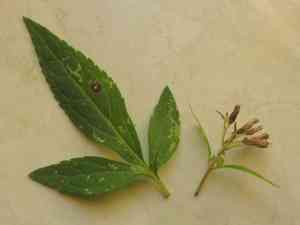
This botanical specimen is recognized for its attractive, plume-like flowers that draw in beneficial insects.
2
It needs little upkeep and flourishes in diverse ground types.
3
Excellent for preventing soil loss because of its thick growth pattern.
Why Consider Palm-Leaf Mistflower for Your Garden?
Visual Charm
A primary draw for gardeners to Palm-Leaf Mistflower is its captivating look. The plant showcases delicate, lavender-blue blossoms that lend grace to any garden. Its distinctive foliage, resembling palm fronds, creates a lush, tropical feel. Unlike some garden plants with short bloom times, Palm-Leaf Mistflower flowers from late summer through autumn, offering extended color when many other plants are fading.
Attracts Pollinators
Pollinators are vital for a healthy garden ecosystem, and Palm-Leaf Mistflower excels at drawing them in. Its vivid flowers are a magnet for bees, butterflies, and other beneficial insects. By adding Palm-Leaf Mistflower to your garden, you not only boost its beauty but also foster a flourishing environment for essential pollinators. This leads to improved pollination of other garden plants, enhancing their productivity and health.
Practical Advantages of Palm-Leaf Mistflower
Minimal Upkeep
A key feature of Palm-Leaf Mistflower is its low maintenance needs. It's a robust plant that can adapt to various soil conditions, from sandy to loamy. Once established, it needs little watering, making it an excellent choice for gardeners preferring an easy-care garden. This plant is also quite resistant to pests and diseases, reducing the need for chemical treatments and interventions.
Erosion Prevention
Beyond its aesthetic value, Palm-Leaf Mistflower is highly effective for preventing soil erosion. Its dense growth habit helps stabilize the ground, stopping erosion on slopes and other vulnerable areas. If parts of your garden are prone to soil erosion, planting Palm-Leaf Mistflower can offer a natural solution to protect your landscape. Its root system firmly holds the soil, lessening the risk of washouts during heavy rains.
How to Best Incorporate Palm-Leaf Mistflower into Your Garden Design?
Companion Planting
Companion planting is an excellent way to maximize Palm-Leaf Mistflower's benefits in your garden. Consider pairing it with other pollinator-friendly plants like marigolds, zinnias, and lavender. These combinations not only enhance your garden's visual appeal but also create a more welcoming environment for crucial insects. Furthermore, Palm-Leaf Mistflower works well alongside native grasses and shrubs, adding texture and variety to your landscape design.
Creating Wildlife Habitats
Beyond its beauty and practical benefits, Palm-Leaf Mistflower can play a vital role in establishing wildlife habitats. Its flowers provide a food source for pollinators, and the plant itself can offer shelter to small animals and beneficial insects. By designing a garden that includes Palm-Leaf Mistflower, you contribute to local biodiversity and support the ecological balance in your area. This results in not only an attractive garden but also a sustainable and eco-friendly one.
What Are the Ideal Growing Conditions for Palm-Leaf Mistflower?
Soil and Sunlight Needs
To ensure your Palm-Leaf Mistflower thrives, it's important to consider its optimal growing conditions. This plant prefers well-drained soil and full sun to partial shade. While it can tolerate various soil types, adding organic matter can boost its growth and blooming potential. Placing Palm-Leaf Mistflower in a spot with ample sunlight will lead to more vibrant and abundant blooms.
Watering and Fertilizing Advice
Regarding watering, Palm-Leaf Mistflower is quite drought-tolerant once established. However, during its initial planting phase, it requires consistent moisture to help it settle and grow. Regular watering is essential during the first few weeks. Fertilizing Palm-Leaf Mistflower is generally not needed, but applying a balanced, slow-release fertilizer in spring can give it a healthy start to the growing season. Avoid over-fertilizing, as this can cause excessive foliage growth at the expense of flowers.



