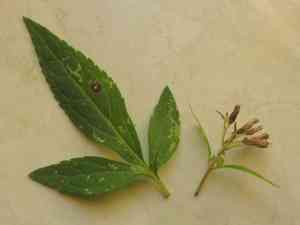
Palm-Leaf Mistflower (Conoclinium dissectum)
Also known as: Gregg's Mistflower
Liatris spicata is a perennial wildflower that typically forms dense clumps. Each plant produces multiple flower spikes adorned with lavender or purple fluffy blooms. As a member of the sunflower family, it is especially appealing to butterflies. These plants can be propagated through seeds or by dividing their underground corms.
In This Article
Attributes of Palm-Leaf Mistflower
Lifespan
Perennial
Plant Type
Herb
Plant Height
46 cm to 61 cm
Spread
30 cm to 60 cm
Leaf Color
Green
Flower Size
2.5 cm to 8 cm
Flower Color
Pink Purple
Images of Palm-Leaf Mistflower
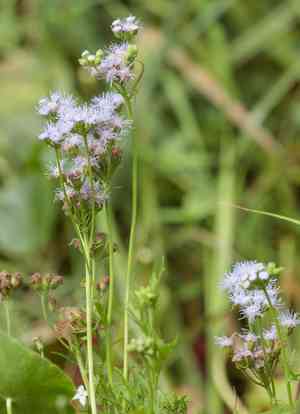
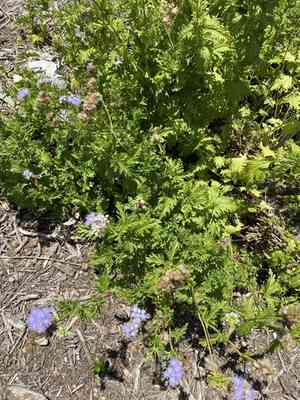
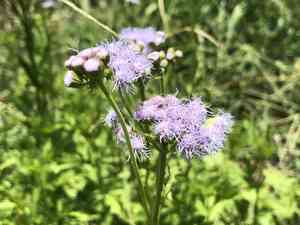
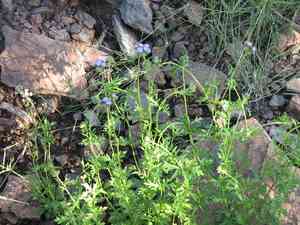
Quickly Identify Palm-Leaf Mistflower
1
This plant can be identified by its deeply dissected, palmate leaves and clusters of small, tubular lavender-blue flowers. It typically grows in dry, rocky soils.
Scientific Classification of Palm-Leaf Mistflower
Phylum
Vascular plants
Class
Dicotyledons
Order
Asterales
Family
Daisy
Genus
Mistflowers
Species
Palm-Leaf Mistflower
Planting and Growing of Palm-Leaf Mistflower
Care Difficulty
Easy
Watering Schedule
Every 2 days
Sunlight Requirements
Partial sun
Sunshine Duration
6-12 hours
Ideal Temperature
65-75℉
Soil Type
Potting Mix, Peat Mix
Soil pH
6.5-7.5
Fertilizer Type
Balanced
Pruning Season
Spring, Summer
Pruning Area
Branches, Leaves
Pruning Frequency
2 times a year
Repotting Season
Spring
Pot Type
Plastic, Ceramic
 How to Water Palm-Leaf Mistflower?
For Conoclinium dissectum, aim to water until the soil is moist but not waterlogged. A good rule of thumb is around 250 ml per watering session, enough to penetrate down to the root zone but not so much that the plant is left soaking in water.
What are the symptoms of an underwatered Palm-Leaf Mistflower?
›
What should I do if my Palm-Leaf Mistflower is not getting enough water?
›
What are the symptoms of an overwatered Palm-Leaf Mistflower?
›
How to save an overwatered Palm-Leaf Mistflower?
›
 What Are the Sunlight Requirements for Palm-Leaf Mistflower?
Partial sun to full sun is ideal, with partial sun during the afternoon. Optimal lighting promotes robust growth and enhances flowering efficiency.
How much sun does Conoclinium dissectum need?
›
What are the best strategies to ensure ideal lighting?
›
What are the benefits of providing ideal lighting?
›
 What Is the Ideal Temperature Range for Palm-Leaf Mistflower?
The ideal temperature range for Conoclinium dissectum is between 65°F and 75°F. This range allows the plant to conduct photosynthesis efficiently and maintain metabolic processes essential for its growth and flowering. Within this range, the plant can maintain optimal moisture levels in the soil without excessive evaporation, ensuring that the roots remain healthy.
 What Soil is Best for Palm-Leaf Mistflower?
Conoclinium dissectum thrives in well-drained soils, which help prevent waterlogging that can lead to root rot. Ensuring proper drainage supports healthy root development and vigorous growth. The plant prefers nutrient-rich soil, abundant with organic matter, to supply essential nutrients that support its lush foliage and vibrant flowers. Regularly enriching the soil with compost can enhance its nutrient profile. This plant thrives on soil that retains moderate moisture without becoming oversaturated. Balanced moisture content keeps the plant hydrated while preventing issues related to excessive dampness.
 How to Fertilize Palm-Leaf Mistflower?
For Conoclinium dissectum, an appropriate amount of fertilizer is essential for robust growth. For liquid fertilizer, apply a solution with a diluted concentration, approximately 10-15 ml per liter of water, and drench the soil evenly. For slow-release pellets, distribute 30-50 grams around the root zone and lightly work them into the soil. This ensures a steady nutrient supply without overwhelming the plant.
 How to Prune Palm-Leaf Mistflower?
Begin by carefully inspecting the plant to identify any dead, damaged or diseased stems. This first step ensures you remove first the parts that could negatively impact plant health. Focus on cutting back old flower heads and any spindly growth. This encourages a fuller shape and more blooms. Always cut just above a leaf node to stimulate new growth.
More About Pruning Techniques→
 How to Propagate Palm-Leaf Mistflower plant?
1
Fill seed trays with a quality seed-starting mix. Moisten the mix evenly and ensure it is free from clumps that could impede seed germination.
2
Select a healthy stem and use sterilized scissors to cut a section below a node. Remove the lower leaves to reduce moisture loss before planting in a well-draining medium.
3
Gently remove the plant from its pot, and use a clean knife to divide the root ball into sections. Each section should have roots and shoots to ensure successful growth.
 How to Repot Palm-Leaf Mistflower plant?
1
Conoclinium dissectum shows signs for repotting when roots start creeping through the drainage holes, or when the plant appears to be stunted in growth. Ideally, repot during spring or autumn when the plant is not in active bloom.
2
Select a pot that is only an inch or two larger than the current one. A pot too large may retain excess moisture, leading to root rot. Ensure the pot has adequate drainage holes to facilitate healthy root growth.
3
Opt for a well-draining potting mix, typically one that contains peat, perlite, and sand. This combination ensures that excess water drains efficiently, while providing enough nutrient retention for the plant.
Learn More About Palm-Leaf Mistflower Diseases
Anthracnose
Bacterial Leaf Spot
Bacterial Wilt
Crown Gall
Damping-off
Downy Mildew
Drought Stress
Fusarium Wilt
Gray Mold
Leaf Curl
Leaf Spot
Mosaic
Nutrient Deficiency
Nutrient Toxicity
Powdery Mildew
Root Rot
Root-knot Nematode
Rusts
Sooty Mold
Spider Mites
Temperature Stress
Thrips Damage
White Mold
Chemical Injury



