How to Propagate Palm-Leaf Mistflower?
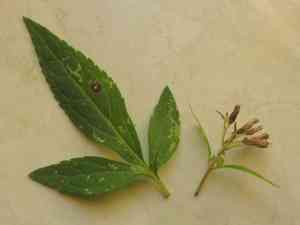
Eupatorium greggii flourishes when reproduced by seeding. For effective sprouting, utilize a potting blend that drains efficiently and sustain steady dampness without saturating. Plant the seeds superficially since they need illumination for peak germination. A warm setting assists in accelerating the sprouting period, making it vital to supply a mild warmth source if interior temperatures are low. Frequent spraying will keep the substrate suitably hydrated. After the young plants appear, guarantee they get sufficient illumination to encourage robust development.
When Is the Optimal Time to Propagate Palm-leaf Mistflower?
Propagation Method
Sowing
Propagation Period
Spring
What Equipment Is Used in Palm-leaf Mistflower Propagation?
Seed trays
Seed trays are vital for initiating palm-Leaf Mistflower seeds indoors or in controlled settings. Their compartments enable organized, systematic seed placement, ensuring each seedling has ample room for root establishment. Seed trays also promote uniform growth and simplify transplantation.
Peat pots
Peat pots are biodegradable planting containers well-suited for palm-Leaf Mistflower, as they minimize transplant shock. Given palm-Leaf Mistflower's sensitivity during relocation, peat pots allow the entire container to be planted, reducing root disturbance and fostering healthier, quicker establishment post-sowing.
Sterilized potting mix
Employing a sterilized potting mix prevents soil-borne diseases that could otherwise harm the germination and initial growth of palm-Leaf Mistflower. This mix offers a clean, nutrient-controlled environment, essential for palm-Leaf Mistflower's delicate early developmental stages.
Fine mist spray bottle
A fine mist spray bottle is essential for gently watering newly sown palm-Leaf Mistflower seeds without dislodging soil or seeds. It aids in maintaining optimal moisture levels, which are critical for seed germination and the development of tender seedlings.
Heating mat
A heating mat is particularly beneficial for palm-Leaf Mistflower, as it helps maintain a consistent, appropriate temperature for seed germination. This tool is crucial in colder climates or seasons, providing the warmth necessary for palm-Leaf Mistflower seeds to successfully germinate.
How to Propagate Palm-leaf Mistflower?
Propagation Type
Easy
How to Nurture Your Newly Propagated Palm-leaf Mistflower?
How to Nurture Your Newly Propagated Palm-leaf Mistflower?
After propagation, palm-Leaf Mistflower requires minimal care to flourish. Position the plant in partial shade to full sun and provide consistent watering, especially during dry spells. Palm-Leaf Mistflower adapts to various soil types but prefers moist, well-draining soils. Mulching can help retain soil moisture and suppress weeds. Prune palm-Leaf Mistflower in late winter to early spring to encourage bushier growth and more blooms. Monitor for common pests and diseases, though palm-Leaf Mistflower is generally quite resilient.
Common Errors to Avoid When Propagating Palm-leaf Mistflower
Overwatering
Excessive watering of palm-Leaf Mistflower can lead to root rot, a condition that may severely damage or kill the plant. Overwatering hinders proper root aeration, causing oxygen deprivation and decay of roots, which are vital for nutrient absorption and plant stability.
Using non-sterile tools
When propagating palm-Leaf Mistflower, using unsterilized tools can introduce pathogens to cuttings or division points. This can result in infections that impede plant growth or lead to its demise.
Inappropriate soil mix
Selecting the wrong soil mix for potting palm-Leaf Mistflower can negatively impact drainage and root development. Soil that retains too much moisture can be harmful, as can soil that is too loose and drains too quickly, affecting the water and nutrient availability crucial for successful rooting and growth.
Advice for Propagating Palm-leaf Mistflower
Use sharp and clean tools
For successful propagation, ensure all cutting tools are sharp and sterilized. Clean cuts help prevent damage to both parent and new plants, reducing stress and minimizing the risk of disease transmission.
Select healthy parent plants
Choose vigorous and disease-free parent plants for propagation. This increases the likelihood of producing robust and healthy offspring, as stressed or weakened plants often result in less successful propagation.
Provide adequate humidity
Maintaining a high humidity environment is crucial when propagating palm-Leaf Mistflower from cuttings. This helps prevent cuttings from drying out before they have a chance to root. Use humidity domes or mist regularly to achieve the necessary moisture levels.



