How to Prune Bladder-senna?
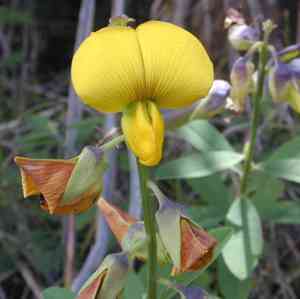
Recognized for its golden blossoms and swollen seed capsules, bladder-senna thrives with regular trimming to preserve its form and vitality. Essential methods involve reducing older limbs and shortening new growths to a robust bud. This horticultural practice should occur in late winter to early spring, prior to the emergence of fresh foliage. A crucial consideration is to prevent excessive pruning, as bladder-senna can be delicate. Consistent trimming encourages robust development and a more attractive structure, boosting bloom production and managing overall dimensions.
What Are the Benefits of Pruning Bladder-senna?
What Are the Benefits of Pruning Bladder-senna?
Trimming bladder-senna promotes robust new development and helps maintain its desired form. Strategic cutting back eliminates older branches, fostering a healthier framework and more vigorous growth.
What Is the Best Time for Pruning Bladder-senna?
What Is the Best Time for Pruning Bladder-senna?
Pruning bladder-senna in late winter or early spring is optimal as the plant remains dormant then, minimizing stress and reducing frost damage risk to fresh cuts. This timing also allows bladder-senna to heal quicker and conserves its energy for strong growth once the season begins. Furthermore, pruning before spring's arrival enables gardeners to better shape the plant and remove winter-damaged parts, preparing bladder-senna for new growth, flowering, and fruiting activities typical of its upcoming cycle.
What Tools Do I Need to Prune Bladder-senna?
Hand Pruners
Perfect for cutting stems and small branches of bladder-senna up to approximately 1/2 to 3/4 inch in diameter. They allow for precise cuts without causing significant plant harm.
Loppers
Suitable for making clean cuts on thicker branches of bladder-senna that are 1 1/2 to 2 inches in diameter. Their long handles provide leverage for cutting through tougher wood.
Pruning Saw
Best for any branches exceeding 2 inches in diameter that hand pruners or loppers cannot manage. A saw will ensure a clean cut on bladder-senna's larger branches without undue strain to the gardener or harm to the plant.
Gloves
While not a cutting tool, gloves are crucial for protecting the gardener's hands from thorns and rough branches when pruning bladder-senna.
How to Prune Bladder-senna
Clean
Before beginning the pruning process, ensure all tools are clean and sharp to prevent disease spread and to make clean cuts on bladder-senna. Sterilize pruning shears with a solution of one part bleach to nine parts water or use rubbing alcohol before and after use to disinfect them.
Cut Dead Branches
Start pruning by removing any dead branches from bladder-senna. Make each cut at the branch's base, just above the branch collar, without damaging the collar itself, to encourage proper healing.
Remove Diseased Branches
Identify and trim away any branches showing signs of disease, cutting well below the affected area to ensure all diseased tissue is removed. Dispose of diseased material properly to prevent infection spread.
Shape Trim
After removing dead and diseased branches, shape bladder-senna by selectively pruning overgrown branches. Aim to maintain an open, natural canopy that allows light and air circulation throughout the plant to promote health and vigor.
Cleanup
Finish the pruning session by cleaning up all debris, such as fallen leaves and branches. This helps prevent the spread of pests and diseases in the garden that could affect bladder-senna.
Common Pruning Mistakes with Bladder-senna
Over Pruning
Removing too much foliage from bladder-senna at once can stress the plant and hinder its growth. It's important to prune no more than one-third of the plant at a time.
Improper Cutting
Incorrect cutting techniques such as tearing branches or making jagged cuts can expose bladder-senna to pests and diseases.
Using Dull Tools
Utilizing dull pruning tools can damage the stems of bladder-senna, leading to poor healing and increased susceptibility to diseases.
Neglecting Sanitation
Not sanitizing pruning tools between cuts and plants can spread diseases to healthy parts of bladder-senna or to other plants.
Pruning For Shape Only
Focusing solely on shaping bladder-senna without considering its biological needs can hinder its health and flowering capabilities.
Ignoring Dead And Diseased Wood
Failing to remove dead, diseased, or damaged wood can negatively affect bladder-senna's vitality and aesthetic.
Common Pruning Tips for Bladder-senna
Sharp Clean Tools
Always use sharp and clean pruning tools to make clean cuts on bladder-senna for healthy regrowth and to prevent disease spread.
Cutting Angle
Make cuts at a 45-degree angle just above a bud facing the outside of bladder-senna to encourage outward growth and prevent water from collecting on the cut surface.
Thinning Over Crowded Areas
Thin out overcrowded branches on bladder-senna to increase light penetration and air circulation, which promotes healthy growth and reduces disease risks.
Selective Pruning
Be selective when pruning bladder-senna by identifying and preserving strong, healthy stems, while removing only the undesirable ones.
Encouraging New Growth
Prune bladder-senna to stimulate new growth where it is most desired, keeping in mind the plant's natural form for best results.
Regular Maintenance
Regularly remove any dead or broken branches from bladder-senna to maintain plant health and aesthetics, ensuring to cut back to healthy tissue.



