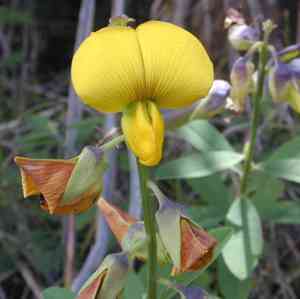
Bladder-senna (Colutea arborescens)
Also known as: Bladder Senna
Bladder senna (Colutea arborescens) features attractive yellow flowers and unique seed pods that inflate with gas. Though it belongs to the pea family, it is not edible. This plant is often utilized to stabilize banks and prevent soil erosion due to its extensive root system.
In This Article
Attributes of Bladder-senna
Lifespan
Perennial
Plant Type
Tree, Shrub
Plant Height
1.8 m to 2.5 m
Spread
1.8 m to 2.5 m
Leaf Color
Green
Flower Size
15 cm
Flower Color
Yellow Pink Orange
Images of Bladder-senna
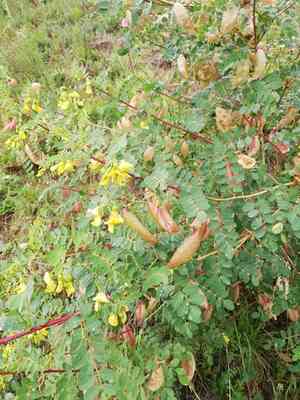
Quickly Identify Bladder-senna
1
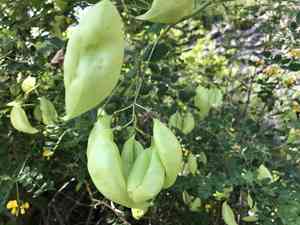
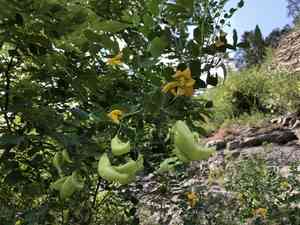
Unusual 3-inch-long (7.6 cm) seed pods resembling inflated bladders.
2
Vibrant pink, yellow, or orange flowers on 2 to 4-inch-long (5 to 10 cm) racemes.
3
Distinctive green to purple 3-inch-long (7.6 cm) seed pods with varying colors.
4
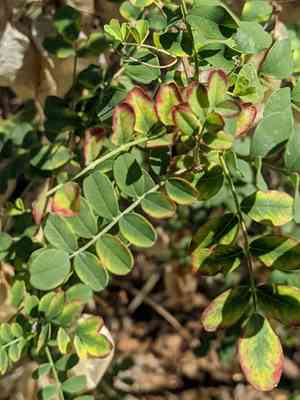
Bright green compound leaves with 9 to 13 small, oval-shaped leaflets.
5
Smooth textured leaves with subtle visible veins, maintaining green color in fall.
Scientific Classification of Bladder-senna
Phylum
Vascular plants
Class
Dicotyledons
Order
Fabales
Family
Legume
Genus
Colutea
Species
Bladder-senna
Planting and Growing of Bladder-senna
Care Difficulty
Easy
Watering Schedule
Every 2 days
Sunlight Requirements
Full sun
Sunshine Duration
4-8 hours
Ideal Temperature
59-77℉
Soil Type
Potting Mix, Peat Mix
Soil pH
6.5-7.5
Fertilizer Type
Balanced
Pruning Season
Spring, Summer
Pruning Area
Branches, Leaves
Pruning Frequency
2 times a year
Repotting Season
Spring
Pot Type
Plastic, Terracotta
 How to Water Bladder-senna?
The bladder senna, Colutea arborescens, requires thorough but infrequent watering. Each session should involve soaking the plant's root zone until the soil is moist down to approximately 15-20 cm. This equates to about 1000 ml of water per session, ensuring the plant can sustain itself until the next watering interval.
What are the symptoms of an underwatered Bladder-senna?
›
What should I do if my Bladder-senna is not getting enough water?
›
What are the symptoms of an overwatered Bladder-senna?
›
How to save an overwatered Bladder-senna?
›
 What Are the Sunlight Requirements for Bladder-senna?
Colutea arborescens performs best in full sun to partial sun conditions, requiring at least 6 to 8 hours of sunlight daily. Adequate light supports the plant’s growth rhythm, leading to robust foliage, increased blooming, and overall plant strength.
More About Sunlight Requirements Techniques→
Optimal Sun Exposure
›
Solving Light Issues
›
Benefits of Ideal Lighting
›
 What Is the Ideal Temperature Range for Bladder-senna?
Maintaining an ideal temperature range of 59°F to 77°F for Colutea arborescens is crucial because it supports optimal growth and flowering. This range mimics the plant's natural habitat, providing the necessary warmth for photosynthesis and metabolic processes. Consistent temperatures within this range ensure robust plant health.
 What Soil is Best for Bladder-senna?
Colutea arborescens thrives in well-drained soil, as it prevents root rot and ensures that the plant receives enough oxygen for healthy growth. Well-drained soil allows for quick drainage of excess water, which is crucial for this plant's health. Providing Colutea arborescens with soil rich in nutrients supports its vibrant foliage and flowering. A balanced mix of essential minerals like nitrogen, phosphorous, and potassium can enhance its overall vigor and flowering capacity. While Colutea arborescens prefers well-drained soils, ensuring the soil retains moderate moisture is essential for sustaining optimal growth and preventing the plant from drying out completely, which can be detrimental.
 How to Fertilize Bladder-senna?
For Colutea arborescens, a moderate amount of fertilizer is important. Use about one cup of a balanced liquid fertilizer diluted to half strength per plant. Ensure the soil is moist before applying to prevent root burn.
 How to Prune Bladder-senna?
Start by examining the plant for any branches that appear dead, diseased, or damaged. Removing these will help prevent the spread of disease and improve air circulation. Trim branches to maintain an attractive shape. Cut back any overly long or unruly branches, aiming to create a balanced silhouette. This not only improves aesthetics but also ensures even sunlight distribution. To encourage bushier growth, pinch or cut back the tips of the plant. This helps stimulate the growth of lateral branches and results in a fuller, more compact bush. Always use clean, sharp tools to make clean cuts. This reduces the risk of infection and ensures that cuts heal quickly. Sterilizing your tools before use can prevent disease transmission between plants.
More About Pruning Techniques→
 How to Propagate Bladder-senna plant?
1
Before sowing, scarifying Colutea arborescens seeds by gently rubbing them with sandpaper can help improve germination rates. This process helps the seed coat to break down, allowing moisture to enter.
2
Use a well-draining potting mix to fill the seed tray or pots. The mix should be lightly moistened to provide a balanced environment for germination and the development of roots in cuttings.
3
Select semi-hardwood cuttings in early spring. Choose a healthy plant and remove a stem that is 10-15 cm long. Ensure the stem is free from disease or pest damage to increase the likelihood of rooting.
 How to Repot Bladder-senna plant?
1
Repot Colutea arborescens when you notice roots growing through the drainage holes or the plant experiencing stunted growth. Another good indicator is when the soil loses its ability to retain moisture, causing frequent drying. Spring is the ideal time for repotting, as the plant is entering its active growth phase and can recover quickly.
2
Select a pot that is slightly larger than the current one—about 2-3 inches wider in diameter. This allows enough room for root expansion without overwhelming the plant with too much soil. Ensure the pot has appropriate drainage holes to prevent waterlogging, reducing the risk of root rot and promoting healthy root aeration.
3
Opt for a well-draining loamy soil that replicates the plant’s natural habitat. This type of soil allows for sufficient aeration and moisture retention without waterlogging. Adding organic matter can further improve nutrient availability, encouraging robust growth and healthier foliage.
Toxicity
Ingestion
WARNING
The judgment on toxicity and danger is for reference only. We DO NOT GUARANTEE any accuracy of such judgment. Therefore, you SHALL NOT rely on such judgment. It is IMPORTANT TO SEEK PROFESSIONAL ADVICE in advance when necessary.



