How to Propagate Bladder-senna?
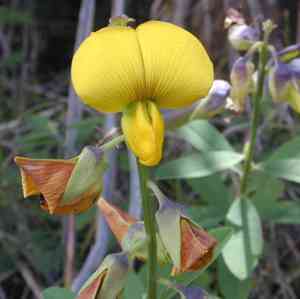
Bladder-senna is successfully multiplied via the cutting technique, which entails harvesting robust, semi-mature stem sections from the source plant in the latter part of summer. To ensure proper establishment, these cuttings ought to be situated in a substrate that drains efficiently and exposed to ample diffused light to encourage root formation. Consistent spraying will preserve the required moisture levels. After rooting, the nascent bladder-senna can be relocated to its final spot, where it will flourish in conditions ranging from full sun to partial shade.
Optimal Time for Bladder-senna Propagation
Propagation Method
Cutting
Propagation Period
Autumn,Winter
Tools for Bladder-senna Propagation
Sharp Pruning Shears
These are crucial for obtaining healthy, precise cuttings from bladder-senna. Their sharp blades ensure clean cuts, minimizing harm to the parent plant and boosting the success rate of rooting.
Rooting Hormone Powder
This aids in accelerating root development in bladder-senna cuttings. Dipping the cut end into the powder stimulates quicker, more effective root growth, increasing overall propagation success.
Sterilized Potting Mix
A well-draining, sterile potting mix offers an ideal environment for bladder-senna cuttings to root. Sterility helps prevent disease and fungal attacks during the vulnerable root development phase.
Propagation Tray with Dome
This tool maintains high humidity and a stable temperature around bladder-senna cuttings, vital for encouraging rooting. The dome also shields young cuttings from external stressors like wind and excessive sunlight.
Heat Mat
Placing a heat mat beneath the propagation tray can greatly benefit bladder-senna cuttings, particularly in cooler climates. It improves the rooting environment by maintaining a consistent, suitable temperature, essential for root development.
Bladder-senna Propagation Difficulty
Propagation Type
Moderately Difficult
Caring for Newly Propagated Bladder-senna
Caring for Newly Propagated Bladder-senna
Once bladder-senna cuttings have established roots, they can be gradually accustomed to lower humidity and more direct sunlight. Transplant them to their permanent garden spot, where they can receive full sun to partial shade. Water consistently until fully established and apply a balanced fertilizer during the growing season. Pruning in late winter helps maintain shape and promotes vigorous growth.
Common Bladder-senna Propagation Errors to Avoid
Poor cutting selection
Choosing weak or unhealthy stem cuttings from bladder-senna can result in poor rooting and establishment. Such cuttings are less likely to survive transplanting and may not grow robustly.
Overwatering cuttings
Excessive water can cause rot in bladder-senna stem cuttings, as they are susceptible to waterlogging during early propagation. This can destroy developing roots and kill the cutting.
Planting depth
Planting bladder-senna cuttings too deeply can hinder rooting and shoot emergence. Conversely, shallow planting may not provide adequate support and can lead to desiccation.
Ignoring pests
Failing to monitor for pests during bladder-senna's early propagation stages can lead to infestations that weaken or destroy young plants. Pests are often more detrimental to cuttings and seedlings than to mature plants.
Bladder-senna Propagation Advice
Healthy parent plant
Select a robust and thriving parent plant for cuttings. This ensures the cuttings have the best chance of rooting and developing into strong plants.
Appropriate moisture
Maintain suitable moisture levels for bladder-senna cuttings; the soil should remain damp but not waterlogged to prevent rot and encourage root growth.
Correct cutting length
Bladder-senna cuttings should be of optimal length, typically 4-6 inches, to balance sufficient leaf area for photosynthesis with adequate stem length for anchoring in the growing medium.
Pest control
Regularly inspect for pests and implement appropriate control measures as needed. Successful bladder-senna propagation requires a pest-free environment, especially for delicate cuttings and seedlings.



