How to Prune Pink rock-rose?
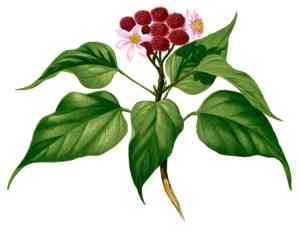
A Mediterranean species boasting vivid pink blossoms, pink rock-rose flourishes in bright, arid environments. Trimming should concentrate on eliminating lifeless or ailing branches and sculpting to preserve a dense structure. The optimal period for pruning is post-flowering in late spring or early summer, fostering vigorous development and blooming in the subsequent year. Pruning can boost air movement, augment plant health, and uphold an attractive silhouette. It is advisable to employ sharp, sanitized implements for accurate incisions and reduced strain on pink rock-rose.
What Are the Benefits of Pruning Pink Rock-rose?
What Are the Benefits of Pruning Pink Rock-rose?
Trimming pink rock-rose encourages more abundant flowering by directing energy towards bloom production. It also aids in preventing pest infestations and diseases by eliminating potential problem areas and enhancing air circulation around the foliage.
What Is the Best Time for Pruning Pink Rock-rose?
What Is the Best Time for Pruning Pink Rock-rose?
Pruning pink rock-rose in late spring or early summer coincides with its post-blooming phase. Pink rock-rose typically blooms in spring, so trimming after this period ensures the natural growth cycle remains undisturbed, allowing gardeners to shape the plant and remove spent flowers, which can stimulate a second bloom. Furthermore, pruning during these seasons provides pink rock-rose ample time to recover and produce new growth before its dormant winter period. Late spring to early summer pruning also mitigates the risk of frost damage to fresh cuts, particularly in regions with colder winters. This timing also supports plant health by removing any dead or damaged branches, thereby reducing the likelihood of disease and pest issues.
What Tools Do I Need to Prune Pink Rock-rose?
Hand Pruners
Perfect for snipping small stems and deadheading, as pink rock-rose typically has delicate stems that don't require heavy-duty tools.
Pruning Shears
Ideal for shaping and maintaining the rounded form of pink rock-rose due to their precise cutting ability.
Loppers
Useful for branches too thick for hand pruners, offering leverage without harming surrounding growth, though pink rock-rose rarely needs such robust tools.
Pruning Saw
Suitable for the oldest and thickest branches of pink rock-rose, should such a necessity arise due to size or illness.
Gloves
Protect hands from scratches and sap while pruning pink rock-rose, improving safety and comfort.
How to Prune Pink Rock-rose
Cleanup
Before beginning the actual pruning, pink rock-rose requires the removal of all unhealthy sections to prevent disease spread. Carefully snip away any diseased or withered leaves and remove all dead or infected branches using clean, sharp pruning shears or scissors. This will enhance air circulation and lower the risk of infection for healthy plant parts.
Shaping
After cleaning, focus on shaping pink rock-rose. Gently trim faded flowers to encourage new blooms. Cut back any overly long branches to maintain the desired shape and size of pink rock-rose. Be careful not to over-prune, as this can hinder the plant's growth and flowering.
Maintenance
Throughout the growing season, continue to check pink rock-rose for signs of withered flowers, which should be deadheaded promptly to promote continuous blooming. Regularly inspect pink rock-rose for potential problematic growth and prune as needed to keep the plant healthy and visually appealing.
Healthy Growth
To foster healthy growth, thin out the center of pink rock-rose by removing some interior branches, especially if they are crossing or rubbing against each other. This thinning should be done carefully to avoid creating large, open wounds that could make pink rock-rose susceptible to disease.
Tools Care
After pruning, clean and sanitize all pruning tools. This step is vital to prevent the transmission of diseases and pests to pink rock-rose or other plants in the future. Regular tool maintenance also ensures precise cuts and extends the lifespan of the pruning equipment.
Common Pruning Mistakes with Pink Rock-rose
Over-Pruning
A common error is to over-prune pink rock-rose, which can stress the plant and limit its growth and blooming capacity. Pink rock-rose naturally possesses an attractive form, and excessive cutting can lead to fewer blossoms or even harm the plant's well-being.
Improper Cut Location
Cutting pink rock-rose too far from a growth node or into the woody part of the stem is another error. This can create an environment favorable for pests and diseases, and make recovery and regrowth more difficult for the plant.
Using Dull Tools
Pruning pink rock-rose with dull or dirty tools can result in jagged cuts that are more prone to infection. This practice is detrimental to the plant's overall health and can negatively impact its appearance.
Neglecting Sanitization
Failing to sanitize pruning tools before and after use on pink rock-rose can spread disease between plants. Always clean tools to prevent the transfer of pests, fungi, and diseases.
Common Pruning Tips for Pink Rock-rose
Right Technique
When pruning pink rock-rose, make clean cuts at a 45-degree angle just above a leaf node to encourage new growth. Ensure the cut is precise, and avoid damaging the node to promote healthy development.
Selective Pruning
Selectively remove any dead, damaged, or diseased branches from pink rock-rose, as well as any that are overcrowded or rubbing together. This will improve air circulation, reduce disease risk, and maintain the plant's natural shape.
Thin Out Older Wood
Prune older wood to thin out pink rock-rose if its center becomes too dense. This allows light to penetrate and stimulates new growth from the base, leading to the plant's rejuvenation.
Shape Maintenance
Lightly shape pink rock-rose after its flowering period to maintain the desired form. This can also help remove seed heads if seed dispersal is a concern, and keeps the plant looking neat without hindering next season's blooms.



