Enhancing Your Garden Design with the Pink rock-rose Plant: A Landscaping Guide
1
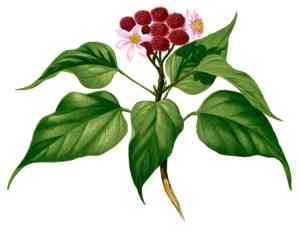
Cistus creticus offers vivid pink flowers, bringing a burst of color to any outdoor space.
2
Ideally situated in a bright spot, Cistus creticus flourishes in soil that drains effectively.
3
Consistent yet limited upkeep guarantees Cistus creticus stays a focal point in your garden all year.
Introducing Pink rock-rose into Your Garden
Overview of Pink rock-rose's Aesthetic Appeal
Pink rock-rose adds a distinct charm with its vivid pink blossoms and persistent green leaves. This plant is recognized for its lively, captivating flowers that persist throughout the active growth period. Its abundant foliage offers a verdant backdrop that beautifully contrasts with the bright blooms. Integrating Pink rock-rose into your garden introduces a burst of color and a gentle touch, creating an inviting and visually pleasing garden area.
Selecting the Ideal Location for Pink rock-rose
When choosing a site for Pink rock-rose, seek an area with ample sunlight to partial shade. This plant flourishes in soil that drains well, making it perfect for rocky or sandy garden beds. It's crucial to avoid spots prone to water accumulation, as Pink rock-rose prefers a drier environment. Positioning Pink rock-rose in a prominent spot, such as near a patio or along a garden path, allows you to appreciate its beauty up close.
Complementing Plants to Pair with Pink rock-rose
Pairing Pink rock-rose with plants that possess contrasting textures and hues can enhance your garden's visual appeal. Consider companion plants like lavender, with its silvery foliage and purple flowers, or ornamental grasses that provide a delicate texture. Succulents and drought-tolerant perennials such as sedum and salvia also make excellent companions, fostering a cohesive and harmonious landscape design.
Design Principles with Pink rock-rose
Using Pink rock-rose as a Focal Point
Pink rock-rose's vibrant flowers and lush foliage make it an excellent central feature in any garden layout. Position it strategically in areas you wish to highlight, such as the middle of a garden bed or at the end of a walkway. By establishing focal points with Pink rock-rose, you can direct the eye through the garden, enhancing its overall visual charm and creating a sense of order and equilibrium.
Creating Color Harmony with Pink rock-rose's Blooms
To establish a harmonious color scheme, combine Pink rock-rose's pink flowers with complementary colors found in other plants. Hues of purple, blue, and white can soften the intensity and create a more refined look. Alternatively, for a more dynamic and striking appearance, pair Pink rock-rose with plants that feature red, orange, or yellow blooms, bringing variety and excitement to your garden's palette.
Balancing Textures in Your Landscape
Incorporating a range of textures into your landscape design can enhance depth and visual interest. Pair Pink rock-rose's medium-textured foliage with plants that have different textures, such as the spiky leaves of agave or the smooth, soft leaves of lamb's ear. By balancing textures, you create a more dynamic and layered garden that engages the senses and adds complexity to the design.
Seasonal Considerations for Pink rock-rose
Best Seasons to Plant Pink rock-rose
The optimal time to plant Pink rock-rose is during the cooler months of autumn or early spring when temperatures are moderate. This allows the plant to establish its root system before the summer heat or winter cold. Planting during these periods ensures a stronger and healthier plant that is better equipped to handle seasonal changes and environmental stresses.
Year-Round Visual Interest
Pink rock-rose offers continuous visual appeal with its combination of bright blooms in the warmer months and evergreen foliage throughout the year. Even when not flowering, its dense, green leaves provide structure and color to the garden. As a result, your landscape remains attractive and engaging regardless of the season, ensuring constant enjoyment.
Preparation for Dormant Periods
During colder periods, Pink rock-rose may enter a state of inactivity. Preparing for this phase involves a few simple steps: reducing irrigation to prevent root rot, applying a layer of mulch to insulate the roots, and avoiding heavy pruning before the cold season. These preparations help Pink rock-rose survive the winter and emerge vigorous and ready to grow when temperatures rise again.
Maintaining Pink rock-rose in Your Landscape
Basic Maintenance Tips for Pink rock-rose
Pink rock-rose is relatively low-maintenance, requiring only occasional watering once established. Ensure that the plant has well-drained soil, and water it deeply but infrequently to encourage deep root growth. Pruning after the bloom period helps maintain its shape and encourages more flowers in the next season. Regularly remove dead or damaged leaves to keep the plant looking its best.
Addressing Common Challenges
While Pink rock-rose is generally robust, it can encounter issues such as root rot in poorly drained soils or pest infestations. To combat these challenges, ensure proper drainage by amending the soil with organic matter and monitor for signs of pests or disease. Natural insecticidal soaps or horticultural oils can be used to treat minor infestations without harming beneficial insects.
Renewing and Rejuvenating Your Plantings
Over time, Pink rock-rose may benefit from renewal practices to keep it vigorous and blooming profusely. Cutting back the plant by about one-third every few years can stimulate new growth and rejuvenate its appearance. Additionally, dividing the plant and replanting healthy sections can prevent overcrowding, ensuring each plant has ample space and resources to thrive.



