The Pink rock-rose Plant Advantage: Maximizing Home and Office Appeal and Wellness
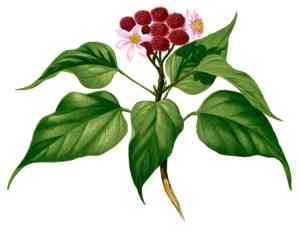
1
This plant excels at preventing soil degradation because of its robust root structure.
2
It yields fragrant resins frequently employed in fragrances and aromatic burning materials.
3
The plant is recognized for its capacity to flourish even in nutrient-deficient ground.
How Does Pink rock-rose Help Manage Soil Erosion?
Erosion Control
Pink rock-rose excels at preventing soil degradation. Its strong root system anchors the soil, reducing its susceptibility to erosion from wind and water. This makes it ideal for areas prone to these natural forces.
Landscaping and Habitat Restoration
Due to its ability to thrive in diverse challenging conditions, Pink rock-rose is frequently utilized in habitat recovery initiatives. The plant aids in re-establishing native flora and fosters a healthier ecosystem. Land managers and environmentalists often use it to revitalize damaged landscapes.
What Aromatic Uses Does Pink rock-rose Offer?
Perfumes and Fragrances
Pink rock-rose yields a resin called labdanum, which possesses a rich, earthy aroma. This resin is highly prized in the fragrance industry. Its scent profile enhances various perfume formulations, making it a key component for many luxury scents.
Incense and Aromatherapy
Beyond perfumes, the resin from Pink rock-rose is also used in incense and aromatherapy. Its calming fragrance is perfect for creating a tranquil atmosphere. Whether in personal meditation spaces or spiritual ceremonies, the plant's resin serves multiple ritualistic and relaxation purposes.
What Role Does Pink rock-rose Play in Ecosystem Balance?
Biodiversity Support
Pink rock-rose contributes significantly to the ecosystems it inhabits. It offers shelter and sustenance for various insects and small creatures. By fostering a healthy micro-ecosystem around it, this plant indirectly supports broader biodiversity objectives.
Pollinator Attraction
The vibrant blooms of Pink rock-rose are excellent for drawing in pollinators like bees and butterflies. These pollinators play a crucial role in maintaining ecological equilibrium, contributing to the health of numerous other plant species in the vicinity.
Is Pink rock-rose Suitable for Poor Soil Conditions?
Adaptability
Pink rock-rose is particularly known for its capacity to grow in poor, rocky, and well-drained soils. This resilience makes it a preferred plant for gardeners facing challenges with infertile ground. It requires minimal care once established, thanks to its hardiness and low water needs.
Low Maintenance
For those seeking to cultivate a low-upkeep garden, Pink rock-rose is an optimal selection. Its ability to endure drought and poor soil conditions means it demands less intervention, making it an eco-friendly and cost-effective option for large garden or landscape projects.
Can Pink rock-rose Be Used in Culinary Practices?
Herbal Uses
While Pink rock-rose is not typically a staple in the culinary world, it has unique applications as an herbal additive. The leaves and resin have been used in traditional remedies and herbal teas, offering aromatic flavors that complement various blends.
Eco-Friendly Gardening
In permaculture and sustainable gardening practices, Pink rock-rose's rapid growth and robust nature make it an excellent companion plant. It not only supports other plants by improving soil conditions but also acts as a natural deterrent to some pests.



